

Introduction:
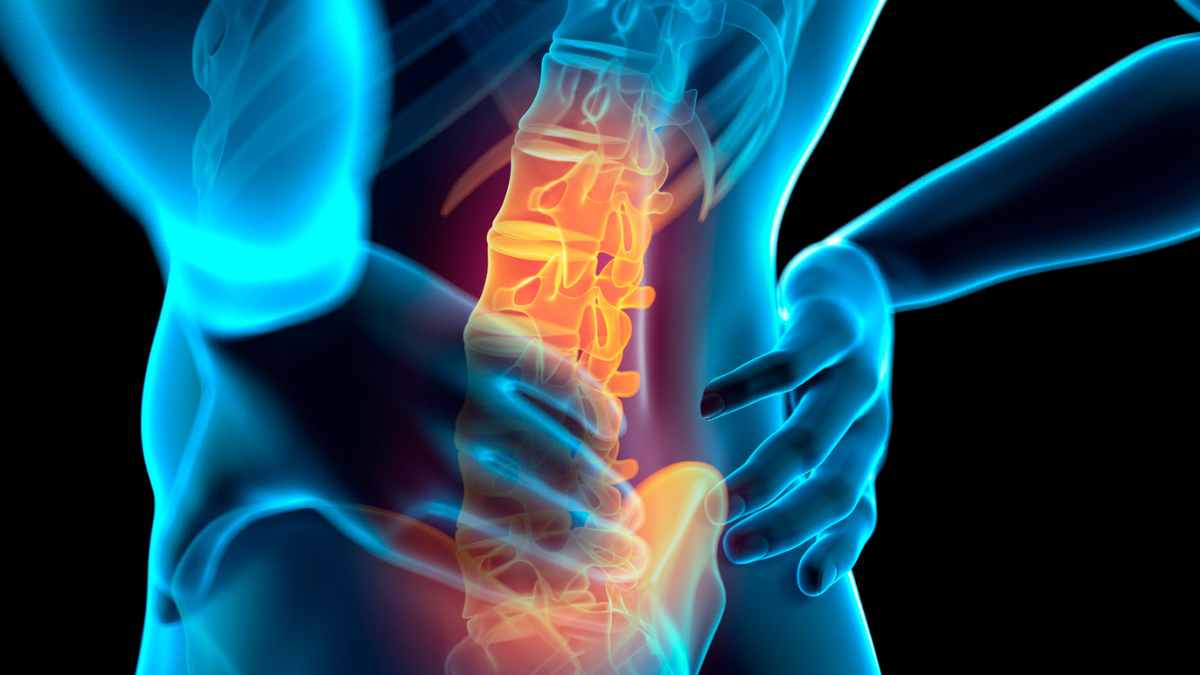
Sciatica is a common condition that affects millions of people worldwide, often resulting in significant discomfort and disruption to daily life. Characterized by pain radiating along the sciatic nerve, which extends from the lower back down through the legs, sciatica can stem from various causes, including herniated discs, spinal stenosis, and muscle spasms. One of the most frequently asked questions by individuals suffering from sciatica is whether it is better to sit or lay down to alleviate pain. This article aims to explore this question in depth, providing insights into the symptoms and causes of sciatica, the impact of posture, and practical recommendations for managing discomfort.
Understanding Sciatica: Symptoms and Causes Explained
Sciatica manifests through a range of symptoms, primarily characterized by sharp pain that radiates from the lower back down to the legs. Numbness, tingling, and muscle weakness may also accompany the pain, affecting mobility and quality of life. These symptoms can vary in intensity and may worsen with certain movements or positions, making it crucial for individuals to understand their specific triggers.
The causes of sciatica are diverse, but the most common include herniated discs, which can compress the sciatic nerve, and spinal stenosis, a narrowing of the spinal canal that puts pressure on the nerve roots. Other potential causes include spondylolisthesis, where a vertebra slips out of place, and muscle spasms in the lower back or buttocks. Identifying the underlying cause is essential for effective treatment and pain management.
In addition to physical factors, lifestyle choices such as sedentary behavior, poor posture, and obesity can contribute to the development and exacerbation of sciatica. Understanding these risk factors can empower individuals to make informed decisions about their health and posture, potentially reducing the frequency and severity of sciatica episodes.
Finally, it is essential to recognize that sciatica is not a standalone condition but rather a symptom of an underlying issue. Therefore, a comprehensive approach that includes medical evaluation, physical therapy, and lifestyle modifications is often necessary for effective management.
The Impact of Posture on Sciatica Pain Management
Posture plays a significant role in the management of sciatica pain. Both sitting and lying down can either alleviate or exacerbate symptoms, depending on how they are performed. Poor posture while sitting can lead to increased pressure on the lower back and sciatic nerve, worsening pain and discomfort. Conversely, proper posture can help distribute weight evenly and reduce strain on the spine.
When sitting, individuals often adopt positions that may not support the natural curvature of the spine. This can lead to muscle tension and increased pressure on the sciatic nerve. For those with sciatica, it is crucial to be mindful of their sitting posture and make adjustments as needed to minimize discomfort.
On the other hand, lying down can provide relief for some individuals, as it allows the spine to decompress. However, the effectiveness of lying down as a pain management strategy largely depends on the position adopted. Certain lying positions may alleviate pressure on the sciatic nerve, while others can exacerbate symptoms.
Ultimately, understanding how different postures affect sciatica pain is essential for developing effective management strategies. Individuals should experiment with various positions and consult healthcare professionals to determine the best approaches for their specific situation.
Sitting vs. Laying Down: A Comparative Analysis
When comparing sitting and laying down for sciatica relief, it is essential to consider the unique advantages and disadvantages of each posture. Sitting can be beneficial for short periods, particularly if the individual maintains an ergonomic posture. However, prolonged sitting can lead to stiffness and increased pain, especially if the chair does not provide adequate lumbar support.
In contrast, lying down can offer a more comfortable position for many individuals suffering from sciatica. It allows for the spine to relax and can reduce pressure on the sciatic nerve. However, the effectiveness of this position can vary based on the surface and the specific lying posture adopted.
For some individuals, alternating between sitting and lying down may provide the best relief. Brief periods of sitting followed by lying down can help manage pain while allowing for mobility. It is crucial to listen to one’s body and adjust positions as needed to find the most comfortable solution.
In conclusion, both sitting and laying down have their merits and drawbacks for sciatica management. The key lies in understanding one’s body and experimenting with different positions to identify what works best for individual circumstances.
Ergonomic Considerations for Sitting with Sciatica
When sitting is unavoidable, implementing ergonomic principles can significantly improve comfort and reduce pain associated with sciatica. Chair height, seat depth, and lumbar support are critical factors to consider when selecting a chair. A chair that promotes proper posture can help maintain the natural curvature of the spine and reduce strain on the sciatic nerve.
Using a chair with adjustable features can allow individuals to customize their seating position. For instance, adjusting the height so that the knees are slightly lower than the hips can help maintain proper alignment. Additionally, using a lumbar roll or cushion can provide extra support to the lower back, further alleviating pressure on the sciatic nerve.
It is also essential to take regular breaks when sitting for extended periods. Standing up, stretching, and walking can help improve circulation and reduce stiffness, providing relief from pain. Incorporating short breaks into the daily routine can make a significant difference in managing sciatica symptoms.
Finally, individuals should be mindful of their overall workspace ergonomics. Ensuring that the computer screen is at eye level and that the keyboard is positioned to allow for relaxed shoulders can help promote a healthier sitting posture and reduce the risk of exacerbating sciatica.
Optimal Laying Positions to Alleviate Sciatica Discomfort
Finding the right lying position can be crucial for alleviating sciatica discomfort. One of the most recommended positions is lying on the back with a pillow under the knees. This position helps maintain the natural curvature of the spine and reduces pressure on the sciatic nerve, promoting relaxation.
Another effective position is lying on the side with a pillow between the knees. This position can help keep the spine aligned and reduce strain on the lower back. It is essential to ensure that the head and neck are also supported adequately to maintain overall spinal alignment.
For some individuals, lying on the stomach may provide temporary relief; however, this position can sometimes exacerbate symptoms for others. It is essential to experiment with various positions to determine what feels most comfortable and beneficial for individual circumstances.
In addition to finding the right position, individuals should also consider the type of mattress they are using. A mattress that is too soft may not provide adequate support, while one that is too firm can create pressure points. Finding a balance that accommodates individual preferences and provides support can significantly impact sciatica management.
Recommendations for Long-Term Sciatica Pain Relief Strategies
Managing sciatica effectively requires a multifaceted approach that goes beyond immediate pain relief. Physical therapy is often recommended as a long-term strategy for strengthening the muscles that support the spine and improving flexibility. A physical therapist can design a personalized exercise program tailored to individual needs and limitations.
Incorporating regular exercise into daily routines can also play a significant role in long-term pain relief. Activities such as walking, swimming, and yoga can help improve overall fitness and reduce the risk of future sciatica episodes. It is essential to choose low-impact exercises that do not exacerbate symptoms.
Additionally, maintaining a healthy weight can alleviate pressure on the spine and reduce the likelihood of sciatica flare-ups. Nutritional choices that promote overall health, such as a balanced diet rich in anti-inflammatory foods, can also support long-term pain management.
Finally, individuals should consider complementary therapies such as chiropractic care, acupuncture, or massage therapy. These treatments can provide additional relief and support overall well-being, complementing other strategies for managing sciatica.
Conclusions:
In summary, the question of whether it is better to sit or lay down with sciatica does not have a one-size-fits-all answer. Both positions can offer relief depending on individual circumstances, posture, and the underlying causes of sciatica. By understanding the impact of posture, implementing ergonomic strategies, and exploring optimal positions for lying down, individuals can better manage their symptoms. Long-term relief often requires a comprehensive approach that includes physical therapy, exercise, and lifestyle modifications.
Read more:
- Mayo Clinic – Sciatica: Comprehensive overview of sciatica symptoms and causes.
- Cleveland Clinic – Sciatica: Causes, Symptoms & Treatment: Detailed information on treatment options and management strategies.
- American Academy of Orthopaedic Surgeons – Sciatica: A resource providing insights into sciatica and its treatment.
- WebMD – Sciatica: An overview of sciatica, including symptoms and management tips.
- Healthline – Sciatica: Symptoms, Causes, and Treatment: A thorough guide on sciatica, covering various aspects of the condition and its management.