

Introduction:
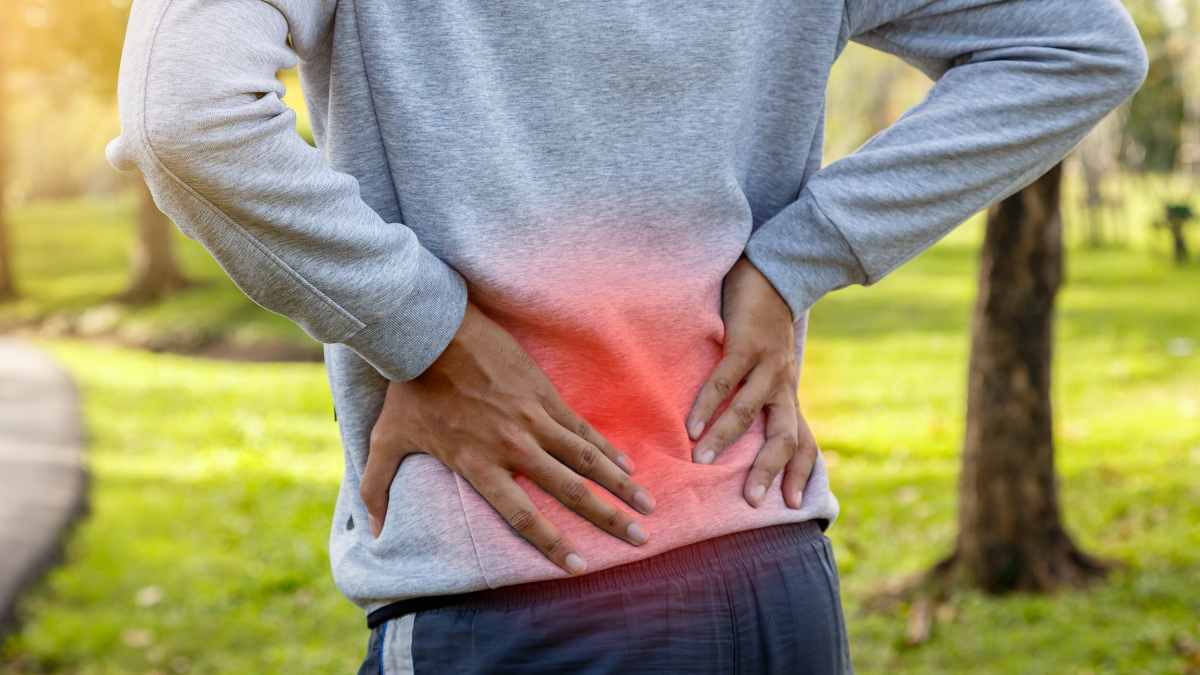
Low back pain is a prevalent condition that affects a significant number of women at various stages of life. The causes of low back pain in females can be multifaceted, ranging from anatomical differences to hormonal changes, psychological factors, and lifestyle influences. Understanding these underlying causes is crucial for effective management and prevention. This article aims to explore the various factors contributing to low back pain specifically in women.
Understanding the Anatomy of the Female Lumbar Region
The female lumbar region has unique anatomical characteristics that can predispose women to low back pain. The lumbar spine consists of five vertebrae (L1-L5) that support the upper body and allow for a range of motion. In women, the pelvis is generally wider, which can affect spinal alignment and load distribution. This anatomical difference may lead to increased stress on the lumbar spine, particularly during activities that involve lifting or bending.
Moreover, the presence of additional soft tissue, including muscles and ligaments, can influence the stability of the lumbar region. Women tend to have a higher percentage of body fat compared to men, which can also impact posture and spinal health. The curvature of the spine, known as lordosis, may vary between genders, further contributing to the risk of developing low back pain.
In addition, the intervertebral discs, which act as shock absorbers between the vertebrae, can degenerate more rapidly in women due to hormonal fluctuations. This degeneration can lead to conditions such as herniated discs, which are a common source of low back pain. Understanding these anatomical nuances is essential for identifying risk factors and tailoring treatment strategies for women experiencing low back pain.
Finally, the interplay between muscle strength and flexibility plays a significant role in the lumbar region’s health. Women may experience muscle imbalances due to lifestyle factors, such as prolonged sitting or lack of physical activity, which can exacerbate low back pain. Strengthening the core muscles and improving flexibility can help support the lumbar spine and reduce pain.
Common Musculoskeletal Causes of Low Back Pain in Women
Musculoskeletal issues are among the leading causes of low back pain in women. Conditions such as muscle strains, ligament sprains, and degenerative disc disease are particularly common. Muscle strains often occur due to improper lifting techniques or sudden movements, while ligament sprains can result from falls or awkward positions. These injuries can lead to inflammation and pain, significantly impacting daily activities.
Another prevalent cause is sacroiliac joint dysfunction, which is more common in women due to anatomical differences. The sacroiliac joint connects the lower spine to the pelvis and can become inflamed or misaligned, leading to localized pain in the lower back and buttocks. This condition can be exacerbated by pregnancy, hormonal changes, or prolonged sitting.
Furthermore, conditions such as osteoarthritis and osteoporosis are significant contributors to low back pain in older women. Osteoarthritis can lead to the degeneration of spinal joints, causing stiffness and pain, while osteoporosis increases the risk of vertebral fractures. Both conditions can severely limit mobility and quality of life, highlighting the importance of early detection and management.
Lastly, spondylolisthesis, a condition where one vertebra slips over another, can also cause low back pain in women. This condition may result from congenital factors or repetitive stress injuries, and it is more prevalent in women due to hormonal influences on bone density. Identifying these musculoskeletal causes is crucial for developing effective treatment plans.
Hormonal Influences on Low Back Pain During Menstruation
Hormonal fluctuations throughout the menstrual cycle can significantly impact women’s experience of low back pain. Estrogen and progesterone levels vary, leading to changes in the ligaments and muscles around the lumbar spine. During menstruation, increased levels of prostaglandins can lead to heightened sensitivity to pain, exacerbating discomfort in the lower back.
Additionally, the premenstrual phase is often associated with water retention and bloating, which can place additional pressure on the lumbar region. This pressure can lead to discomfort and pain, particularly in women who are already predisposed to back issues. Understanding the timing of these hormonal changes can help women anticipate and manage their symptoms more effectively.
Moreover, research indicates that women with pre-existing low back pain may experience intensified symptoms during their menstrual cycle. This connection underscores the importance of considering hormonal factors when assessing and treating low back pain in females. Tailoring treatment strategies to account for these fluctuations can lead to more effective pain management.
Lastly, the psychological impact of menstrual-related pain can also contribute to the perception of low back pain. Women may experience increased stress and anxiety related to their menstrual cycle, which can amplify pain sensations. Addressing both the physical and psychological aspects of low back pain during menstruation is essential for comprehensive care.
Impact of Pregnancy and Postpartum Changes on Back Pain
Pregnancy is a significant period during which many women experience low back pain. The body undergoes numerous changes, including weight gain and alterations in posture, which can strain the lumbar region. As the uterus expands, the center of gravity shifts, leading to increased lumbar lordosis and potential discomfort in the lower back.
Hormonal changes during pregnancy also play a crucial role. The hormone relaxin increases to prepare the body for childbirth, leading to the loosening of ligaments. While this is beneficial for delivery, it can also result in instability in the lumbar spine, contributing to pain. Many women report that their low back pain begins during pregnancy and persists postpartum.
Postpartum changes can further complicate the situation. The physical demands of caring for a newborn, including lifting and carrying, can exacerbate existing back pain. Additionally, the recovery process can lead to muscle weakness and imbalances, particularly in the core and pelvic floor, which are essential for spinal support. Women may find it challenging to return to their pre-pregnancy physical condition, contributing to ongoing discomfort.
Finally, psychosocial factors, such as sleep deprivation and stress associated with new motherhood, can also influence the experience of low back pain. Addressing these factors through education, support, and appropriate physical therapy can significantly improve outcomes for postpartum women suffering from low back pain.
Psychological Factors Contributing to Low Back Pain in Females
Psychological factors can play a significant role in the experience and perception of low back pain in women. Chronic pain is often associated with emotional distress, including anxiety and depression. Women are statistically more likely to experience these conditions, which can exacerbate the perception of pain and lead to a cycle of discomfort and emotional turmoil.
Cognitive-behavioral factors also contribute to the experience of low back pain. Women may develop maladaptive coping strategies, such as avoidance or fear of movement, which can lead to increased disability. Understanding these psychological components is essential for developing effective treatment plans that address both physical and emotional aspects of pain.
Additionally, stress and lifestyle factors, such as work-life balance and social support, can influence the severity of low back pain. Women often juggle multiple roles, including professional and caregiving responsibilities, which can lead to increased stress levels. This stress can manifest physically, contributing to muscle tension and pain in the lumbar region.
Lastly, psychological interventions, such as mindfulness and cognitive-behavioral therapy, can be beneficial in managing low back pain. These approaches can help women develop healthier coping mechanisms and improve their overall quality of life. Integrating psychological support into pain management strategies can lead to more comprehensive and effective care.
Preventative Strategies and Treatment Options for Women’s Back Pain
Preventing low back pain in women involves a multifaceted approach that includes lifestyle modifications and targeted interventions. Regular physical activity is crucial for maintaining a healthy spine. Engaging in exercises that strengthen core muscles, improve flexibility, and promote good posture can significantly reduce the risk of developing low back pain.
Additionally, ergonomic adjustments in the workplace and home can help minimize strain on the lumbar region. Proper lifting techniques, using supportive seating, and taking regular breaks to stretch can all contribute to spinal health. Education on body mechanics is essential for women, particularly those in physically demanding jobs or caregiving roles.
For those experiencing low back pain, a combination of physical therapy and medical interventions may be necessary. Physical therapy can provide tailored exercise programs, manual therapy, and education on pain management strategies. In some cases, medications such as nonsteroidal anti-inflammatory drugs (NSAIDs) or muscle relaxants may be prescribed to alleviate pain and inflammation.
Lastly, considering alternative therapies, such as acupuncture or chiropractic care, can offer additional relief. These treatments can complement traditional medical approaches and provide women with a holistic strategy for managing low back pain. A comprehensive treatment plan that addresses both physical and psychological aspects is essential for effective management.
Conclusions:
Low back pain in females is a complex issue influenced by a variety of factors, including anatomical differences, hormonal changes, psychological components, and lifestyle choices. Understanding these contributing factors is essential for effective prevention and treatment. By adopting a comprehensive approach that includes education, physical activity, and psychological support, women can better manage their low back pain and improve their overall quality of life.
Read more:
- Mayo Clinic on Low Back Pain – Comprehensive overview of causes and treatments for low back pain.
- American Academy of Orthopaedic Surgeons – Detailed information on low back pain, including risk factors and treatment options.
- National Institute of Neurological Disorders and Stroke – Educational resources on low back pain and its management.
- WebMD on Back Pain – Overview of back pain, including symptoms, causes, and treatment options.
- Cleveland Clinic on Back Pain – Insights into back pain management and prevention strategies.


