

Introduction:
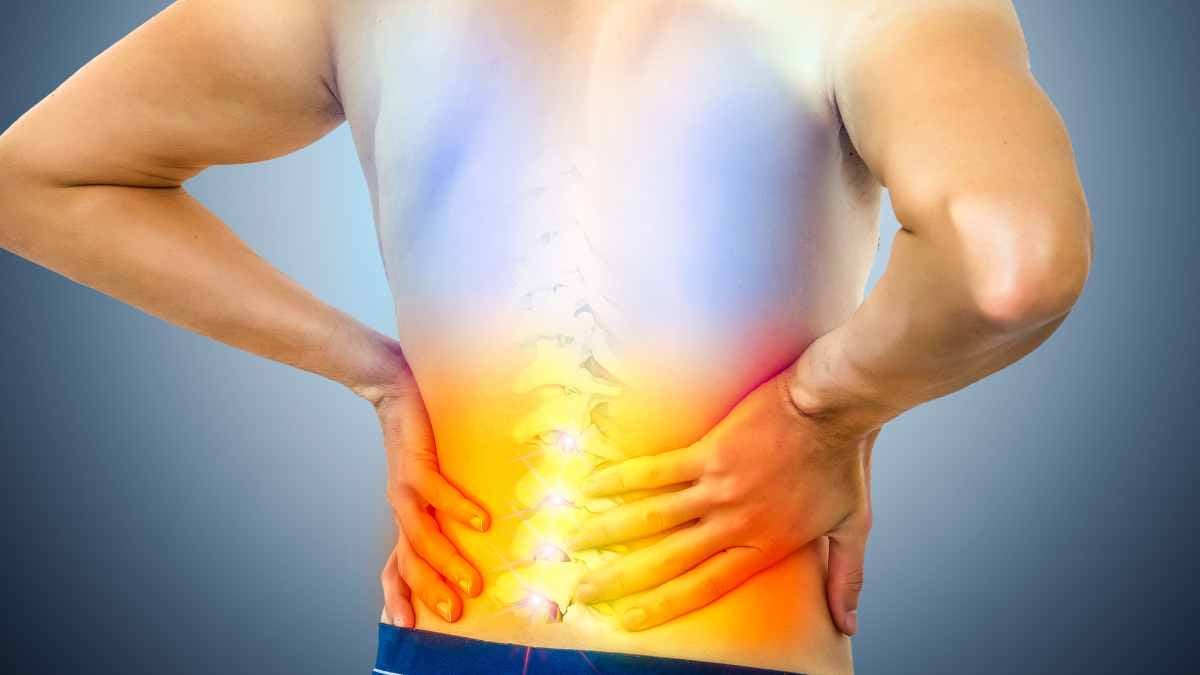
Lower back pain is a prevalent issue that affects millions of individuals worldwide, often manifesting as discomfort or pain above the buttocks. This condition can significantly impact daily activities and quality of life. Understanding the underlying causes of this type of pain is crucial for effective management and prevention. This article delves into the anatomy of the lower back, common disorders that contribute to pain, the influence of posture and lifestyle, diagnostic methods, and treatment options available for relief.
Understanding the Anatomy of the Lower Back Region
The lower back, or lumbar region, consists of five vertebrae (L1-L5) that support much of the body’s weight and facilitate movement. This area is surrounded by muscles, ligaments, and tendons that work together to provide stability and flexibility. The lumbar spine is designed to absorb shock and allow for a range of motions, including bending and twisting. However, its complex structure makes it susceptible to injury and strain.
The intervertebral discs, located between the vertebrae, act as shock absorbers and provide cushioning. These discs can degenerate over time, leading to conditions such as herniated discs, which may cause pain that radiates above the buttocks. Additionally, the lumbar region houses the spinal cord and nerve roots, which can be affected by various conditions, resulting in pain and discomfort.
Muscles in the lower back, including the erector spinae and multifidus, play a vital role in maintaining posture and supporting movements. If these muscles become strained or weakened, they may contribute to pain above the buttocks. Furthermore, the sacroiliac joints, which connect the spine to the pelvis, can also be a source of discomfort if they become inflamed or dysfunctional.
Understanding the anatomy of the lower back is essential for identifying the potential sources of pain. Knowledge of the structures involved can help individuals recognize symptoms and seek appropriate care when necessary.
Common Musculoskeletal Disorders Leading to Pain
Several musculoskeletal disorders can lead to pain in the lower back region above the buttocks. One of the most common conditions is lumbar strain, which occurs when muscles or ligaments are overstretched or torn. This type of injury often results from heavy lifting, sudden movements, or poor body mechanics during physical activities.
Another prevalent condition is degenerative disc disease, which involves the gradual wear and tear of intervertebral discs. As the discs degenerate, they can lose height and elasticity, leading to increased pressure on the vertebrae and surrounding structures. This can result in localized pain and discomfort that may radiate to the buttocks.
Sacroiliac joint dysfunction is another potential cause of pain in this area. The sacroiliac joints can become inflamed or misaligned, leading to pain that may be felt in the lower back and buttocks. This condition is often exacerbated by activities that involve prolonged sitting or standing.
Lastly, spinal stenosis, a narrowing of the spinal canal, can compress the spinal cord and nerve roots, resulting in pain, numbness, or weakness in the lower back and legs. Identifying these disorders is crucial for developing an effective treatment plan.
The Role of Posture in Lower Back Pain Above Buttocks
Posture plays a significant role in the development and exacerbation of lower back pain. Poor posture, particularly during prolonged sitting or standing, can place undue stress on the lumbar spine and surrounding muscles. For instance, slouching or leaning forward while sitting can lead to muscle imbalances and strain, contributing to discomfort above the buttocks.
Additionally, improper ergonomics at work or home can further exacerbate the issue. Individuals who spend long hours at a desk without proper lumbar support may experience increased pressure on the lower back. This can lead to tightness in the hip flexors and weakness in the abdominal muscles, creating a cycle of pain and discomfort.
Awareness of posture is essential for preventing lower back pain. Simple adjustments, such as using an ergonomic chair, maintaining a neutral spine, and taking regular breaks to stretch, can significantly reduce strain on the lower back. Furthermore, practicing good posture during physical activities can help prevent injuries and promote overall spinal health.
Incorporating exercises that strengthen the core and improve flexibility can also support proper alignment and reduce the risk of lower back pain. By prioritizing posture, individuals can take proactive steps toward maintaining a healthy lower back.
Impact of Lifestyle Factors on Lower Back Health
Lifestyle factors play a critical role in the health of the lower back and can significantly influence the occurrence of pain. Sedentary behavior, characterized by prolonged periods of inactivity, is a major contributor to lower back issues. Lack of movement can lead to weakened muscles and reduced flexibility, increasing the risk of injury during physical activities.
Conversely, excessive physical activity without proper conditioning can also lead to lower back pain. Engaging in high-impact sports or heavy lifting without adequate preparation may strain the muscles and ligaments in the lumbar region. It is essential to balance activity levels with appropriate rest and recovery to maintain lower back health.
Obesity is another significant risk factor for lower back pain. Excess body weight can place additional stress on the spine and surrounding structures, leading to pain and discomfort. Maintaining a healthy weight through a balanced diet and regular exercise can help alleviate pressure on the lower back and reduce the risk of developing pain.
Lastly, stress and mental health can impact physical well-being, including lower back health. Chronic stress can lead to muscle tension and exacerbate pain. Incorporating stress management techniques, such as mindfulness, yoga, or meditation, can promote relaxation and contribute to overall spinal health.
Diagnostic Approaches for Identifying Pain Causes
Accurate diagnosis is essential for effective treatment of lower back pain. A comprehensive evaluation typically begins with a detailed medical history and physical examination. During this assessment, healthcare providers will inquire about the onset, duration, and characteristics of the pain, as well as any associated symptoms.
Imaging studies, such as X-rays, MRI, or CT scans, may be utilized to visualize the structures of the spine and identify any abnormalities, such as herniated discs, fractures, or degenerative changes. These imaging techniques can provide valuable information that aids in diagnosing the underlying cause of pain.
In some cases, additional tests may be necessary to assess nerve function and identify conditions such as radiculopathy or spinal stenosis. Electromyography (EMG) and nerve conduction studies can help determine if nerve compression is contributing to pain and discomfort.
Once a diagnosis is established, healthcare providers can develop a tailored treatment plan that addresses the specific causes of lower back pain, ensuring a more effective approach to relief and recovery.
Effective Treatment Options for Lower Back Pain Relief
Treatment for lower back pain above the buttocks varies depending on the underlying cause and severity of the condition. Conservative management is often the first line of treatment and may include rest, ice, and over-the-counter pain medications to alleviate discomfort. Physical therapy is also a common approach, focusing on exercises to strengthen the core, improve flexibility, and enhance posture.
In cases where conservative measures are insufficient, healthcare providers may recommend injections, such as corticosteroids, to reduce inflammation and provide temporary pain relief. These injections can be particularly beneficial for conditions like sacroiliac joint dysfunction or spinal stenosis.
For individuals with chronic pain or those who do not respond to conservative treatments, surgical options may be considered. Procedures such as discectomy, laminectomy, or spinal fusion can address structural issues in the spine and relieve pressure on nerves. However, surgery is typically seen as a last resort after other treatments have been exhausted.
In addition to medical interventions, lifestyle modifications play a crucial role in managing lower back pain. Engaging in regular physical activity, maintaining a healthy weight, and practicing good posture can contribute to long-term relief and prevention of future episodes of pain.
Conclusions:
Lower back pain above the buttocks is a multifaceted issue that can stem from various anatomical, musculoskeletal, and lifestyle factors. Understanding the underlying causes and contributing elements is essential for effective diagnosis and treatment. By prioritizing posture, engaging in regular physical activity, and seeking appropriate medical care, individuals can take proactive steps toward managing and preventing lower back pain.
Read more
- American Academy of Orthopaedic Surgeons – Low Back Pain – A comprehensive overview of low back pain, its causes, and treatment options from a leading orthopedic authority.
- Mayo Clinic – Back Pain – An informative resource detailing symptoms, causes, and treatment strategies for back pain.
- National Institute of Neurological Disorders and Stroke – Low Back Pain Fact Sheet – A fact sheet providing insights into low back pain, including research findings and management approaches.
- Cleveland Clinic – Back Pain – A detailed guide on back pain, its causes, symptoms, and treatment options from a reputable healthcare institution.
- WebMD – Back Pain Health Center – A resourceful hub offering articles, tools, and expert advice on managing back pain effectively.