

Se hai un abbonamento attivo ACCEDI QUI
Introduction:
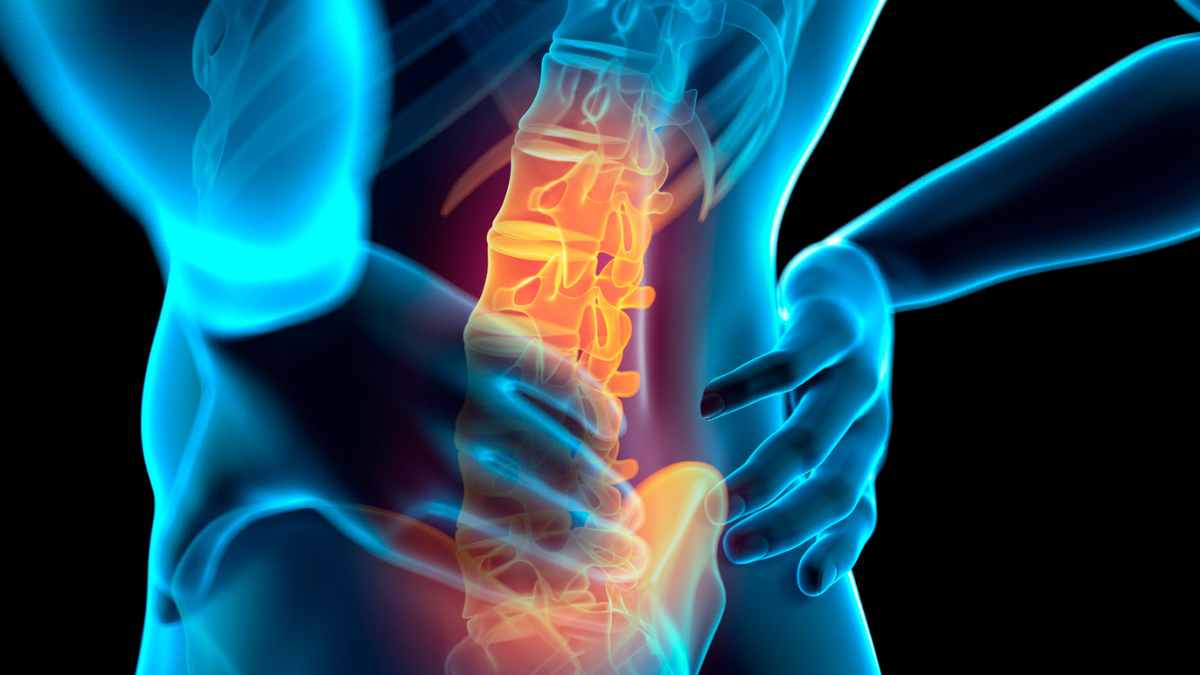
Lower back pain is a common complaint among females, particularly during sleep. This discomfort can significantly affect sleep quality, leading to a cascade of physical and emotional issues. Understanding the multifaceted causes of lower back pain while sleeping is essential for identifying effective preventive measures and treatments. This article delves into various factors contributing to this condition, including sleep positions, mattress quality, hormonal influences, and gender-specific musculoskeletal disorders.
Understanding Lower Back Pain: An Overview for Females
Lower back pain is a complex condition that can arise from various sources. In females, anatomical and physiological differences, such as wider pelvises and hormonal fluctuations, can influence pain perception and susceptibility. Chronic lower back pain often results from a combination of lifestyle factors, underlying health issues, and biomechanical stressors. Understanding these factors is crucial for addressing pain effectively.
The prevalence of lower back pain in women can also be linked to specific life stages, such as pregnancy and menopause. During pregnancy, the body undergoes significant changes, including weight gain and hormonal shifts, which can lead to increased strain on the lower back. Similarly, menopause brings about hormonal changes that can affect muscle and joint health, contributing to discomfort.
Psychological factors, such as stress and anxiety, can exacerbate the perception of pain. Women are statistically more likely to experience anxiety and depression, which can heighten sensitivity to pain and complicate recovery efforts. Thus, addressing mental health is an integral part of managing lower back pain.
Finally, the impact of lifestyle choices, such as physical activity levels and ergonomic practices, should not be overlooked. Sedentary lifestyles can weaken core muscles, leading to poor spinal support during sleep. Conversely, regular exercise can strengthen these muscles, providing better support and potentially reducing pain.
Common Sleep Positions Contributing to Back Pain
The position in which an individual sleeps can significantly impact spinal alignment and overall comfort. Certain sleep positions can place undue stress on the lower back, leading to pain. For instance, sleeping on the stomach can result in an unnatural curve of the spine, straining the lower back muscles and ligaments. This position is generally discouraged for those prone to back pain.
Side sleeping is often recommended as a more supportive option; however, improper alignment can still occur. If the knees are not adequately supported, it can lead to twisting of the spine, which may exacerbate discomfort. Using a pillow between the knees can help maintain proper alignment and reduce strain on the lower back.
Back sleeping is another common position, but it may not be ideal for everyone. While it can promote spinal alignment, it can also lead to increased pressure on the lower back if the mattress does not provide adequate support. Individuals with pre-existing back conditions may find this position uncomfortable without proper support.
Ultimately, it is essential for individuals to experiment with different sleep positions and find what works best for them. Personal comfort and spinal alignment should guide these choices, as the right position can significantly reduce the risk of developing or exacerbating lower back pain.
Impact of Mattress Quality on Lower Back Health
The quality of a mattress plays a critical role in spinal health and overall sleep quality. A mattress that is too soft may not provide adequate support for the spine, leading to misalignment and increased pressure on the lower back. Conversely, a mattress that is too firm can create pressure points, particularly in the hips and shoulders, which may also contribute to discomfort.
When selecting a mattress, it is important to consider factors such as firmness, material, and individual sleep preferences. Memory foam mattresses, for example, can contour to the body’s shape, providing support while alleviating pressure points. However, they may retain heat, which could disrupt sleep for some individuals.
In addition to firmness, the age of the mattress should also be taken into account. Over time, mattresses can lose their supportive qualities, leading to increased discomfort. Experts recommend replacing a mattress every 7-10 years to ensure optimal support and comfort.
Finally, individuals should test mattresses before purchasing, as personal comfort is subjective. Finding a mattress that supports proper spinal alignment while accommodating personal preferences can significantly enhance sleep quality and reduce the risk of lower back pain.
Hormonal Fluctuations and Their Role in Back Pain
Hormonal changes throughout a woman’s life can significantly influence musculoskeletal health, including lower back pain. Menstrual cycles, pregnancy, and menopause are key periods when hormonal fluctuations occur, potentially leading to increased pain sensitivity and discomfort.
During the menstrual cycle, fluctuations in estrogen and progesterone can affect muscle and ligament laxity, leading to changes in spinal support. Some women may experience increased lower back pain as a result of these hormonal shifts. Understanding this connection can help women anticipate and manage pain during these times.
Pregnancy introduces a host of hormonal changes that can lead to physical discomfort. The hormone relaxin, which increases during pregnancy, helps prepare the body for childbirth but can also lead to increased joint laxity, affecting spinal stability. This can result in increased lower back pain, particularly in the later stages of pregnancy.
Menopause also brings about significant hormonal changes that can impact musculoskeletal health. The decline in estrogen levels can lead to decreased bone density and muscle mass, increasing the risk of back pain and injury. Women experiencing menopause should prioritize strength training and bone health to mitigate these effects.
Musculoskeletal Disorders: A Gender-Specific Analysis
Musculoskeletal disorders are prevalent among women and can contribute to lower back pain. Conditions such as fibromyalgia, osteoarthritis, and scoliosis are more commonly diagnosed in females and can lead to chronic pain. Understanding these disorders is essential for effective management and treatment.
Fibromyalgia, characterized by widespread pain and fatigue, disproportionately affects women. The condition can lead to heightened sensitivity to pain, making lower back discomfort more pronounced. Effective management often requires a multidisciplinary approach, including physical therapy and medication.
Osteoarthritis, particularly in the lumbar spine, can also lead to lower back pain. This degenerative joint disease is more common in women, especially post-menopause. Maintaining a healthy weight and engaging in regular low-impact exercise can help manage symptoms and improve overall joint health.
Scoliosis, a condition characterized by an abnormal curvature of the spine, is another gender-specific concern. While it can occur in both sexes, females are more likely to experience significant symptoms as they age. Treatment options may include physical therapy, bracing, or surgery, depending on the severity of the curvature.
Preventive Strategies for Alleviating Sleep-Related Pain
Preventing lower back pain during sleep involves a combination of lifestyle modifications and proper sleep hygiene. Establishing a consistent sleep routine can help regulate sleep patterns and improve overall sleep quality, which is essential for musculoskeletal health.
Engaging in regular physical activity is crucial for maintaining a healthy spine. Strengthening core muscles through targeted exercises can provide better support for the lower back, reducing the risk of pain. Activities such as yoga and pilates can also enhance flexibility and promote better posture.
Investing in a quality mattress and pillows that support spinal alignment is essential. Individuals should consider their preferred sleep positions when selecting these items to ensure optimal support. Regularly assessing and replacing sleep products can help maintain comfort and reduce the risk of pain.
Lastly, incorporating relaxation techniques, such as deep breathing or meditation, can help alleviate stress and tension that may contribute to pain perception. Creating a calming bedtime environment can also enhance sleep quality, further supporting overall musculoskeletal health.
Conclusions:
Lower back pain in females during sleep can arise from various factors, including sleep positions, mattress quality, hormonal fluctuations, and gender-specific musculoskeletal disorders. Understanding these causes is essential for developing effective prevention and management strategies. By prioritizing proper sleep hygiene, engaging in regular exercise, and selecting supportive sleep products, women can significantly reduce their risk of experiencing lower back pain during sleep.
Read more
- American Academy of Orthopaedic Surgeons: Lower Back Pain – Comprehensive overview of causes and treatments for lower back pain.
- Mayo Clinic: Back Pain – Detailed information on symptoms, causes, and prevention strategies for back pain.
- National Institute of Neurological Disorders and Stroke: Low Back Pain Fact Sheet – Insightful fact sheet on low back pain and its implications.
- Cleveland Clinic: Sleep Positions and Back Pain – Analysis of how different sleep positions can affect back pain.
- WebMD: Hormones and Chronic Pain – Exploration of the relationship between hormonal changes and chronic pain in women.