

Se hai un abbonamento attivo ACCEDI QUI
Introduction:
Lower back pain is a common ailment that affects millions of people worldwide. When the pain is specifically localized to the side of the lower back, it can be particularly concerning and may disrupt daily activities. Understanding the nature of this pain, its potential causes, and available treatment options is crucial for effective management. This article aims to provide a comprehensive overview of the symptoms, causes, anatomy, diagnostic approaches, treatment options, and when to seek medical attention regarding pain on the side of the lower back.
Understanding Lower Back Pain: An Overview of Symptoms
Pain on the side of the lower back can manifest in various ways, including sharp, stabbing sensations, dull aches, or a persistent throbbing. Patients may also experience discomfort that radiates to the hips, buttocks, or legs. This type of pain can be acute, arising suddenly due to injury or strain, or chronic, developing gradually over time. In some cases, the pain may be accompanied by stiffness, limited mobility, or muscle spasms, making it difficult to perform everyday tasks.
Identifying the specific characteristics of the pain is essential for determining its underlying cause. For instance, pain that worsens with certain movements or positions may suggest musculoskeletal issues, while pain that is constant and unrelenting could indicate a more serious condition. Additionally, associated symptoms such as numbness, tingling, or weakness in the legs may point to nerve involvement, necessitating further evaluation.
Patients often report that their pain is exacerbated by activities such as bending, lifting, or prolonged sitting. Conversely, rest or changing positions may provide temporary relief. Understanding these patterns can help healthcare providers tailor their diagnostic and treatment approaches effectively.
Lastly, it is important to note that emotional factors such as stress and anxiety can also contribute to the perception of pain. Psychosomatic interactions can complicate the clinical picture, making it essential to consider both physical and psychological aspects when evaluating lower back pain.
Common Causes of Pain on the Side of the Lower Back
Several factors can contribute to pain on the side of the lower back. Muscle strains and ligament sprains are among the most common causes, often resulting from heavy lifting, awkward movements, or prolonged periods of inactivity. These injuries can lead to inflammation and discomfort, particularly when engaging in physical activity.
Another prevalent cause is herniated discs, which occur when the soft material inside a spinal disc protrudes and compresses nearby nerves. This condition can lead to localized pain as well as radiating symptoms down the legs. Similarly, conditions such as sciatica, characterized by pain that travels along the sciatic nerve, may also present with pain on the side of the lower back.
Kidney issues can also manifest as pain in the lower back, particularly on one side. Conditions such as kidney stones or infections may cause referred pain that mimics musculoskeletal discomfort. It is essential to differentiate between these causes, as the treatment approaches can vary significantly.
Lastly, degenerative conditions such as arthritis or spinal stenosis may contribute to chronic lower back pain. These conditions can lead to narrowing of the spinal canal or joint degeneration, resulting in pain and discomfort. A thorough evaluation is necessary to identify the specific underlying cause of the pain.
Anatomy of the Lower Back: Key Structures Involved
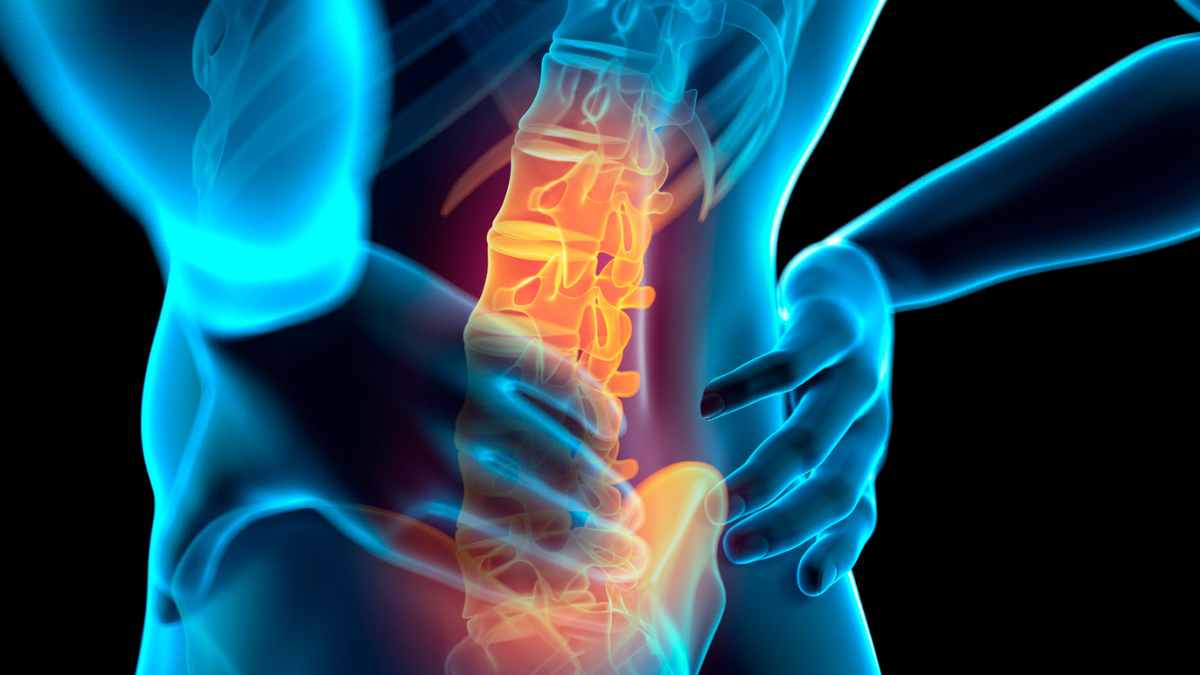
To understand pain on the side of the lower back, it is crucial to familiarize oneself with the anatomy of the region. The lower back, or lumbar region, consists of five vertebrae (L1-L5) that provide structural support and flexibility. Intervertebral discs act as shock absorbers between these vertebrae, allowing for movement while also bearing weight.
Surrounding the vertebrae are various muscles, ligaments, and tendons that play a vital role in maintaining stability and facilitating movement. The erector spinae muscles, for example, are responsible for extending and rotating the spine, while the quadratus lumborum muscle, located on either side of the lumbar spine, helps stabilize the pelvis and spine.
Nerves that exit the spinal column at various levels can also be implicated in lower back pain. The lumbar plexus, a network of nerves, supplies sensation and motor function to the lower limbs. Compression or irritation of these nerves can lead to pain, numbness, or weakness in the legs.
Lastly, the kidneys, located in the posterior abdominal cavity, can also influence pain perception in the lower back. Understanding the intricate relationships between these structures is essential for accurately diagnosing and treating lower back pain.
Diagnostic Approaches for Lower Back Side Pain
When evaluating pain on the side of the lower back, healthcare providers typically begin with a thorough medical history and physical examination. During the examination, the provider will assess the patient’s range of motion, strength, and reflexes to identify any abnormalities. This initial assessment helps guide further diagnostic testing.
Imaging studies, such as X-rays or MRI scans, may be utilized to visualize the underlying structures of the spine and surrounding tissues. X-rays can reveal fractures, degenerative changes, or alignment issues, while MRI scans provide detailed images of soft tissues, including muscles, ligaments, and intervertebral discs.
In some cases, additional tests such as electromyography (EMG) or nerve conduction studies may be necessary to evaluate nerve function and identify potential compression or damage. These tests can help distinguish between musculoskeletal pain and nerve-related issues.
Finally, laboratory tests may be ordered to rule out systemic conditions such as infections or inflammatory diseases. A comprehensive diagnostic approach is essential for developing an effective treatment plan tailored to the patient’s specific needs.
Treatment Options: Managing Pain on the Lower Back Side
Management of pain on the side of the lower back typically begins with conservative measures. Rest, ice, and over-the-counter pain medications such as nonsteroidal anti-inflammatory drugs (NSAIDs) can help alleviate acute pain and reduce inflammation. Physical therapy may also be recommended to strengthen the muscles supporting the spine and improve flexibility.
In cases where conservative treatments are ineffective, healthcare providers may consider more advanced interventions. Injections, such as epidural steroid injections or nerve blocks, can provide targeted relief by reducing inflammation around affected nerves. These procedures may be particularly beneficial for patients with radicular pain or sciatica.
If conservative and interventional approaches fail to provide relief, surgical options may be explored. Surgical interventions, such as discectomy or spinal fusion, aim to address structural issues contributing to pain. However, surgery is typically considered a last resort after all other options have been exhausted.
Lastly, complementary therapies, such as acupuncture, chiropractic care, or mindfulness practices, may provide additional relief for some patients. A multidisciplinary approach can be effective in managing lower back pain and improving overall quality of life.
When to Seek Medical Attention for Back Pain Symptoms
While many instances of lower back pain can be managed at home, certain symptoms warrant immediate medical attention. If the pain is severe and persistent, accompanied by fever, unexplained weight loss, or bowel or bladder dysfunction, it is crucial to seek professional evaluation. These symptoms may indicate a more serious underlying condition, such as an infection or malignancy.
Additionally, if pain radiates down the legs, especially if accompanied by numbness or weakness, it may suggest nerve compression that requires prompt intervention. Patients should also be vigilant for signs of cauda equina syndrome, characterized by loss of sensation in the saddle area and significant leg weakness.
It is also advisable to consult a healthcare provider if pain persists beyond a few weeks or if it interferes with daily activities. Early intervention can help prevent the progression of underlying conditions and improve outcomes.
In summary, understanding when to seek medical attention for lower back pain is essential for ensuring timely and appropriate care. Patients should not hesitate to reach out for help if they have concerns about their symptoms.
Conclusions:
Pain on the side of the lower back can arise from various causes, ranging from musculoskeletal injuries to internal organ issues. Understanding the symptoms, potential causes, and available diagnostic and treatment options is crucial for effective management. By recognizing when to seek medical attention, individuals can address their pain and improve their quality of life.
Read more
-
Mayo Clinic – Low Back Pain: A comprehensive overview of low back pain, including symptoms, causes, and treatment options.
-
American Academy of Orthopaedic Surgeons – Low Back Pain: Detailed information on the anatomy, causes, and treatment of low back pain from a trusted orthopedic source.
-
Cleveland Clinic – Back Pain: Insights into back pain, including symptoms, diagnosis, and various treatment modalities.
-
National Institute of Neurological Disorders and Stroke – Low Back Pain Fact Sheet: A fact sheet offering a summary of low back pain, its causes, and treatment options.
-
WebMD – Back Pain Overview: A resourceful guide on back pain, covering symptoms, causes, and when to seek medical help.