
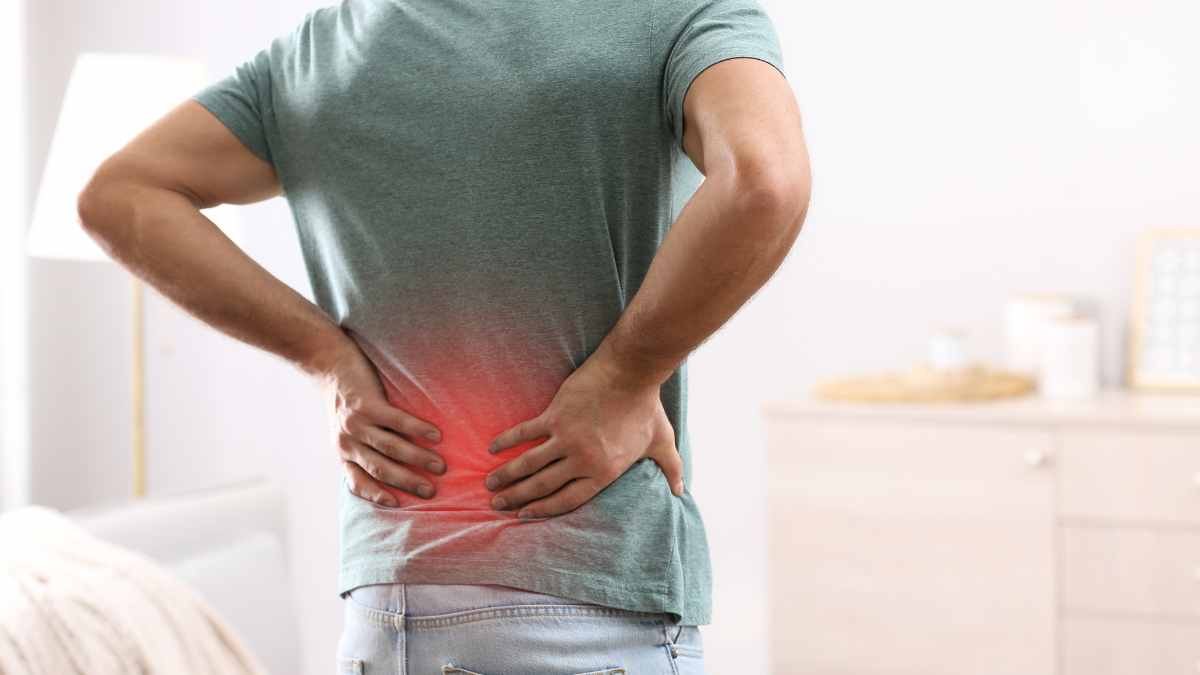

Introduction:
Experiencing pain below the waist can be a distressing and debilitating issue that affects daily activities and overall quality of life. Understanding the underlying causes of this discomfort is crucial for effective management and recovery. This article aims to explore the anatomy of lower back pain, common causes, the role of muscles and ligaments, symptoms that warrant medical attention, diagnostic techniques, and various treatment options available to alleviate pain and promote healing.
Understanding the Anatomy of Lower Back Pain
The lower back, or lumbar region, consists of five vertebrae (L1-L5) that support the upper body and allow for a range of motion. This area is surrounded by muscles, ligaments, and intervertebral discs that provide stability and flexibility. The lumbar spine is crucial for maintaining posture and facilitating movements such as bending and lifting. Understanding this anatomy is essential for identifying potential sources of pain.
In addition to the vertebrae, the lower back houses the spinal cord and a network of nerves that extend to the lower extremities. Compression or irritation of these nerves can lead to pain radiating down the legs, commonly referred to as sciatica. Recognizing the interconnectedness of these structures can help in pinpointing the origin of discomfort.
The lumbar region is also susceptible to injury due to its weight-bearing role. Activities that involve heavy lifting, twisting motions, or prolonged sitting can strain the muscles and ligaments, leading to pain and discomfort. A thorough understanding of the anatomy can guide individuals in adopting preventive measures.
Lastly, the lower back is influenced by the overall health of the spine and surrounding structures. Conditions such as degenerative disc disease, herniated discs, or spinal stenosis can contribute to chronic pain. Awareness of these conditions is vital for early detection and intervention.
Common Causes of Pain Below the Waistline
One of the most prevalent causes of pain below the waistline is muscle strain. This can occur due to improper lifting techniques, sudden movements, or overexertion during physical activities. Muscle strains can lead to inflammation and discomfort, making it difficult to perform daily tasks.
Another common cause is a herniated disc, where the soft inner material of a spinal disc protrudes through the tougher exterior. This can press on nearby nerves, resulting in significant pain that may radiate into the legs. Understanding the mechanics of a herniated disc can help individuals recognize symptoms early.
Arthritis is also a significant contributor to lower back pain. Conditions such as osteoarthritis can lead to the degeneration of joints in the spine, causing stiffness, swelling, and pain. Recognizing the impact of arthritis on spinal health is essential for managing chronic pain.
Lastly, lifestyle factors such as obesity, sedentary behavior, and poor posture can exacerbate lower back pain. Excess weight places additional strain on the lumbar region, while prolonged sitting can weaken core muscles, leading to imbalances. Addressing these lifestyle factors is crucial for long-term pain management.
The Role of Muscles and Ligaments in Back Pain
Muscles and ligaments play a vital role in supporting the spine and maintaining stability. The muscles of the lower back, including the erector spinae, are responsible for extending and rotating the spine. When these muscles become weak or strained, they can lead to instability and pain. Strengthening exercises can help mitigate this risk.
Ligaments, which connect bones to other bones, also contribute to spinal stability. Ligament sprains can occur due to sudden movements or trauma, leading to pain and restricted mobility. Understanding the role of ligaments can help individuals recognize the importance of proper body mechanics.
Additionally, muscle imbalances can arise from poor posture or repetitive movements, leading to chronic pain. For instance, tight hip flexors can pull the pelvis forward, increasing stress on the lower back. Addressing these imbalances through targeted stretching and strengthening exercises is essential for recovery.
Finally, the interplay between muscles and ligaments is crucial for overall spinal health. A well-balanced musculature supports the spine effectively, while imbalances can lead to increased strain and discomfort. Recognizing this relationship can guide individuals in developing a comprehensive approach to pain management.
Identifying Symptoms: When to Seek Medical Attention
While occasional lower back pain is common, certain symptoms may indicate a more serious underlying condition that requires medical attention. If pain persists for more than a few weeks or worsens over time, it is essential to consult a healthcare professional. Chronic pain can signify underlying issues that need to be addressed.
Symptoms such as numbness, tingling, or weakness in the legs may indicate nerve involvement and should not be ignored. These symptoms can suggest conditions like herniated discs or spinal stenosis, which require prompt evaluation.
Additionally, if back pain is accompanied by unexplained weight loss, fever, or changes in bowel or bladder function, it is crucial to seek immediate medical attention. These symptoms may indicate serious conditions such as infections or tumors.
Lastly, if the pain follows a traumatic injury or accident, it is essential to consult a healthcare provider to rule out fractures or other significant injuries. Timely intervention can prevent further complications and promote recovery.
Diagnostic Techniques for Lower Back Pain Evaluation
When evaluating lower back pain, healthcare providers often begin with a thorough medical history and physical examination. This initial assessment helps identify potential causes and guides further diagnostic testing. A comprehensive evaluation is crucial for accurate diagnosis.
Imaging studies, such as X-rays, MRI, or CT scans, may be necessary to visualize the structures of the spine and identify any abnormalities. These imaging techniques can reveal issues such as herniated discs, fractures, or degenerative changes.
In some cases, additional tests, such as electromyography (EMG) or nerve conduction studies, may be performed to assess nerve function and identify any nerve damage. These tests can provide valuable information about the extent of nerve involvement.
Finally, a multidisciplinary approach may be required for complex cases. Referrals to specialists, such as orthopedic surgeons or physical therapists, can provide comprehensive care tailored to the individual’s needs. Collaboration among healthcare providers is essential for optimal management.
Treatment Options: Managing Pain and Promoting Recovery
Managing lower back pain often involves a combination of conservative and interventional treatments. Initial approaches typically include rest, ice, and over-the-counter pain medications to reduce inflammation and alleviate discomfort. These conservative measures can provide immediate relief.
Physical therapy is another vital component of treatment. A physical therapist can design a personalized exercise program to strengthen core muscles, improve flexibility, and promote proper body mechanics. Engaging in physical therapy can enhance recovery and prevent future episodes of pain.
In cases where conservative treatments are ineffective, interventional options may be considered. These can include corticosteroid injections to reduce inflammation or minimally invasive procedures to address structural issues. Interventional treatments can provide significant relief for chronic pain.
Finally, lifestyle modifications play a crucial role in long-term management. Maintaining a healthy weight, practicing good posture, and incorporating regular exercise can help prevent recurrence of lower back pain. Adopting a holistic approach to health is essential for sustaining recovery.
Conclusions:
Understanding the complexities of lower back pain below the waist is essential for effective management and recovery. By recognizing the anatomy, common causes, and symptoms that warrant medical attention, individuals can take proactive steps toward alleviating pain. Diagnostic techniques and treatment options, including physical therapy and lifestyle modifications, play a significant role in promoting recovery and preventing future episodes. A comprehensive approach to lower back pain can enhance quality of life and improve overall well-being.
Read more
-
Mayo Clinic – Low Back Pain: A comprehensive overview of low back pain, its causes, symptoms, and treatment options.
-
American Academy of Orthopaedic Surgeons – Back Pain: Detailed information on back pain, including preventive measures and treatment strategies.
-
National Institute of Neurological Disorders and Stroke – Low Back Pain Fact Sheet: An informative resource on the neurological aspects of low back pain.
-
Cleveland Clinic – Back Pain: Insights into the causes, symptoms, and treatments for back pain, along with expert advice.
-
WebMD – Back Pain Health Center: A resourceful hub for information on back pain, including articles, expert opinions, and community support.


