

Introduction:
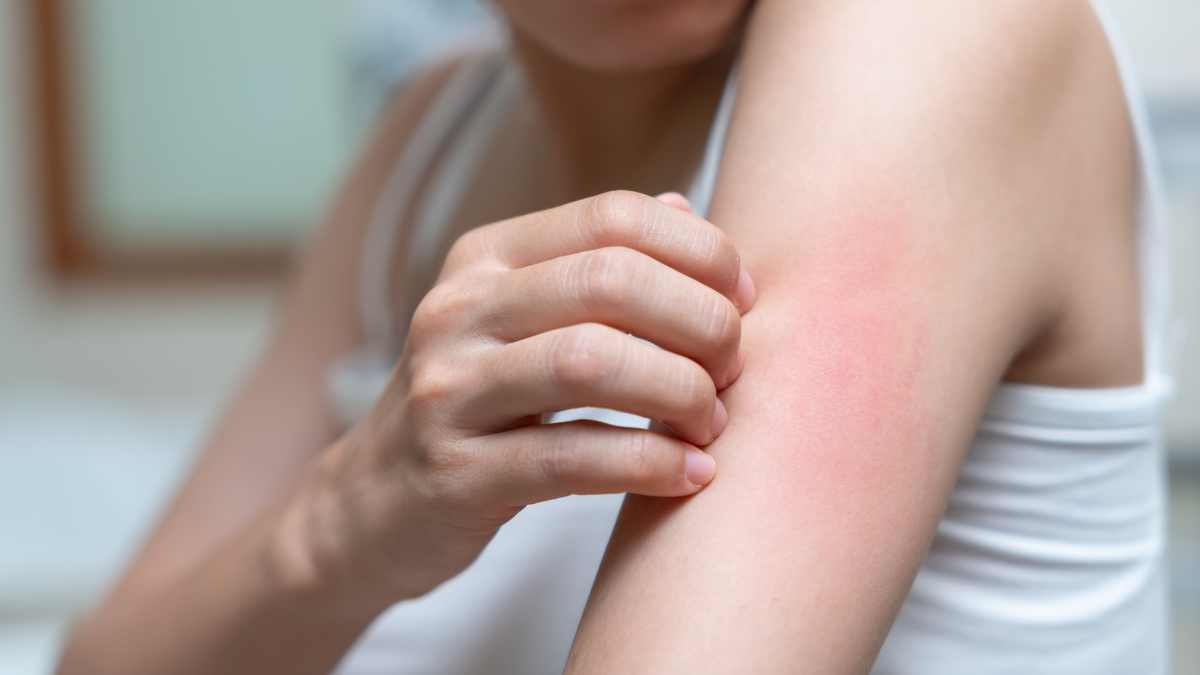
The intricate relationship between mental health and physical health is a topic of growing interest in both medical and psychological fields. Among various mental health issues, high anxiety has been shown to manifest in diverse physical symptoms, including skin reactions such as rashes. Understanding how anxiety can lead to dermatological issues is crucial for effective management and treatment. This article aims to explore the connection between high anxiety levels and the occurrence of skin rashes, delving into the physiological mechanisms, common types of rashes, clinical evidence, and management strategies.
Understanding the Connection Between Anxiety and Skin Reactions
Anxiety is a psychological state characterized by feelings of tension, worried thoughts, and physical changes such as increased blood pressure. When individuals experience high levels of anxiety, their bodies may react in various ways, including the development of skin rashes. The skin, being the largest organ of the body, often reflects internal emotional states. Stress-induced skin reactions can occur due to the body’s heightened response to anxiety, leading to inflammation and other dermatological issues.
When the body perceives stress, it activates the hypothalamic-pituitary-adrenal (HPA) axis, releasing hormones such as cortisol and adrenaline. These hormones prepare the body for a "fight or flight" response, which can alter skin function. For instance, increased cortisol levels can lead to changes in oil production in the skin, potentially resulting in acne or other skin conditions. Thus, the connection between anxiety and skin reactions is not merely psychological but deeply rooted in physiological changes.
Furthermore, individuals with pre-existing skin conditions, such as eczema or psoriasis, may find that their symptoms worsen during periods of high anxiety. This exacerbation can create a vicious cycle, where the appearance of a rash leads to increased anxiety, which in turn aggravates the rash. Understanding this cyclical relationship is essential for effective treatment and management of both anxiety and skin conditions.
Lastly, the social implications of skin reactions due to anxiety cannot be overlooked. Individuals may feel self-conscious or embarrassed about their skin condition, leading to further anxiety and social withdrawal. This interplay between mental and physical health highlights the importance of addressing both aspects in treatment plans.
The Physiology of Stress: How Anxiety Affects the Body
The physiological response to stress involves a complex interplay of systems within the body. When faced with anxiety, the body enters a state of heightened alertness, which triggers the sympathetic nervous system. This response leads to various changes, including increased heart rate, rapid breathing, and heightened muscle tension. These changes are designed to prepare the body for immediate action but can also have detrimental effects on skin health.
One significant impact of anxiety on the skin is the alteration of the skin’s barrier function. Chronic stress can compromise the skin’s ability to retain moisture and protect against environmental irritants. As a result, the skin may become more susceptible to irritations and infections, leading to conditions such as dermatitis or eczema. The skin’s compromised barrier can also trigger inflammatory responses, further exacerbating existing skin issues.
Moreover, the release of pro-inflammatory cytokines during periods of stress can lead to increased inflammation in the body, including the skin. This inflammation can manifest as redness, swelling, and discomfort, contributing to the development of rashes. The skin’s response to stress is not just limited to physical symptoms; it can also lead to psychological distress, creating a feedback loop that perpetuates both anxiety and skin problems.
Additionally, the impact of stress on the immune system cannot be ignored. Chronic anxiety can lead to immune dysregulation, making the body more vulnerable to infections and inflammatory conditions. This immune response can further contribute to skin issues, highlighting the need for a holistic approach to treatment that addresses both mental and physical health.
Common Types of Rashes Associated with High Anxiety Levels
Several types of skin rashes are commonly associated with high anxiety levels. One of the most prevalent is hives, also known as urticaria. Hives are characterized by raised, itchy welts on the skin and can be triggered by stress as well as other factors. The release of histamines during an anxiety response can lead to the development of hives, causing significant discomfort for the affected individual.
Another common skin condition linked to anxiety is eczema, particularly atopic dermatitis. Individuals with a history of eczema may find that their symptoms worsen during stressful periods. The skin may become inflamed, itchy, and cracked, leading to a cycle of scratching and further irritation. The emotional distress associated with eczema can also exacerbate anxiety, creating a challenging situation for those affected.
Psoriasis is another skin condition that can be aggravated by high anxiety levels. This chronic autoimmune disorder leads to the rapid growth of skin cells, resulting in thick, red patches covered with silvery scales. Stress is a known trigger for psoriasis flare-ups, and individuals may experience increased severity of symptoms during times of emotional distress. The visibility of psoriasis can also lead to social anxiety, further complicating the individual’s mental health.
Lastly, acne can also be influenced by anxiety. Stress can lead to increased oil production in the skin, contributing to the formation of acne lesions. The psychological impact of acne can lead to low self-esteem and increased anxiety, creating a cycle that is difficult to break. Understanding the types of rashes associated with anxiety is essential for effective diagnosis and treatment.
Mechanisms of Stress-Induced Skin Reactions Explained
The mechanisms behind stress-induced skin reactions are multifaceted and involve various biological pathways. One primary mechanism is the release of neuropeptides, which are small protein-like molecules that play a crucial role in the communication between the nervous system and the skin. When an individual experiences anxiety, neuropeptides such as substance P and calcitonin gene-related peptide (CGRP) are released, leading to increased inflammation and skin sensitivity.
Additionally, the sympathetic nervous system activation during stress can lead to vasoconstriction and altered blood flow to the skin. This change in blood flow can affect the skin’s ability to heal and respond to irritants, making it more susceptible to rashes and other dermatological issues. The skin’s response to stress is, therefore, not only a reflection of emotional states but also a direct result of physiological changes that occur in response to anxiety.
Another critical factor in stress-induced skin reactions is the role of the gut-skin axis. Chronic stress can lead to alterations in gut microbiota, which in turn can affect skin health. The gut microbiome plays a significant role in immune function and inflammation, and disturbances in this balance can contribute to skin conditions. As such, managing anxiety may also involve addressing gut health to improve skin outcomes.
Lastly, the psychological aspect of stress should not be overlooked. The perception of stress and anxiety can amplify physical symptoms, leading to a heightened awareness of skin issues. This increased focus on skin conditions can exacerbate feelings of anxiety, creating a feedback loop that perpetuates both mental and physical distress. Understanding these mechanisms is crucial for developing effective treatment strategies for anxiety-related skin conditions.
Clinical Evidence Linking Anxiety to Dermatological Issues
Numerous studies have established a link between anxiety and various dermatological issues. Research has shown that individuals with anxiety disorders are more likely to experience skin conditions such as eczema, psoriasis, and acne. A study published in the Journal of Investigative Dermatology found that patients with generalized anxiety disorder had a higher prevalence of skin conditions compared to those without anxiety disorders.
Additionally, clinical evidence suggests that stress management techniques can lead to improvements in skin conditions exacerbated by anxiety. For instance, a study in the British Journal of Dermatology demonstrated that mindfulness-based stress reduction significantly improved symptoms in patients with chronic skin conditions. This finding underscores the importance of addressing mental health in the management of dermatological issues.
Moreover, the relationship between anxiety and skin reactions is not limited to specific conditions. A systematic review published in Dermatology found that various skin disorders, including pruritus and hives, have been associated with increased levels of anxiety. This evidence highlights the need for dermatologists to consider psychological factors when diagnosing and treating skin conditions.
Lastly, the role of psychological interventions in treating skin conditions is gaining recognition. Cognitive-behavioral therapy (CBT) and other therapeutic approaches have shown promise in reducing anxiety and improving skin health. By addressing the underlying psychological factors, patients may experience significant improvements in both their mental health and skin conditions.
Management Strategies for Anxiety-Related Skin Conditions
Managing anxiety-related skin conditions requires a comprehensive approach that addresses both mental and physical health. One effective strategy is the implementation of stress management techniques. Practices such as mindfulness meditation, yoga, and deep-breathing exercises can help reduce anxiety levels and improve overall well-being. These techniques can also have a positive impact on skin health by reducing inflammation and promoting healing.
Another important aspect of management is the use of topical treatments for skin conditions. Dermatologists may recommend corticosteroids or other anti-inflammatory medications to alleviate symptoms of rashes and other skin issues. Combining these treatments with anxiety management strategies can lead to improved outcomes for patients.
Additionally, lifestyle modifications can play a crucial role in managing anxiety and its associated skin conditions. Regular exercise, a balanced diet, and adequate sleep can help reduce anxiety levels and improve skin health. Patients are encouraged to engage in activities that promote relaxation and well-being, such as spending time in nature or pursuing hobbies.
Lastly, seeking professional help from mental health providers is essential for individuals struggling with anxiety-related skin conditions. Therapy options, including cognitive-behavioral therapy (CBT) and medication, can effectively address anxiety and its physical manifestations. A collaborative approach involving dermatologists and mental health professionals can lead to comprehensive care and improved quality of life for patients.
Conclusions:
The intricate relationship between high anxiety levels and skin reactions is a complex interplay of physiological and psychological factors. Understanding the mechanisms behind stress-induced skin reactions is essential for effective diagnosis and treatment. By adopting a holistic approach that addresses both mental and physical health, individuals can better manage anxiety-related skin conditions and improve their overall well-being.
Read more:
- American Academy of Dermatology – Anxiety and Skin Conditions – A comprehensive overview of how anxiety affects skin health.
- National Institute of Mental Health – Anxiety Disorders – Statistical insights into anxiety disorders and their prevalence.
- British Journal of Dermatology – Mindfulness and Skin Conditions – Research findings on the impact of mindfulness on dermatological issues.
- Journal of Investigative Dermatology – Anxiety and Skin Disorders – A study linking anxiety disorders to skin conditions.
- Dermatology – Systematic Review on Anxiety and Skin Disorders – A systematic review examining the relationship between anxiety and various skin disorders.