

Se hai un abbonamento attivo ACCEDI QUI
Introduction:
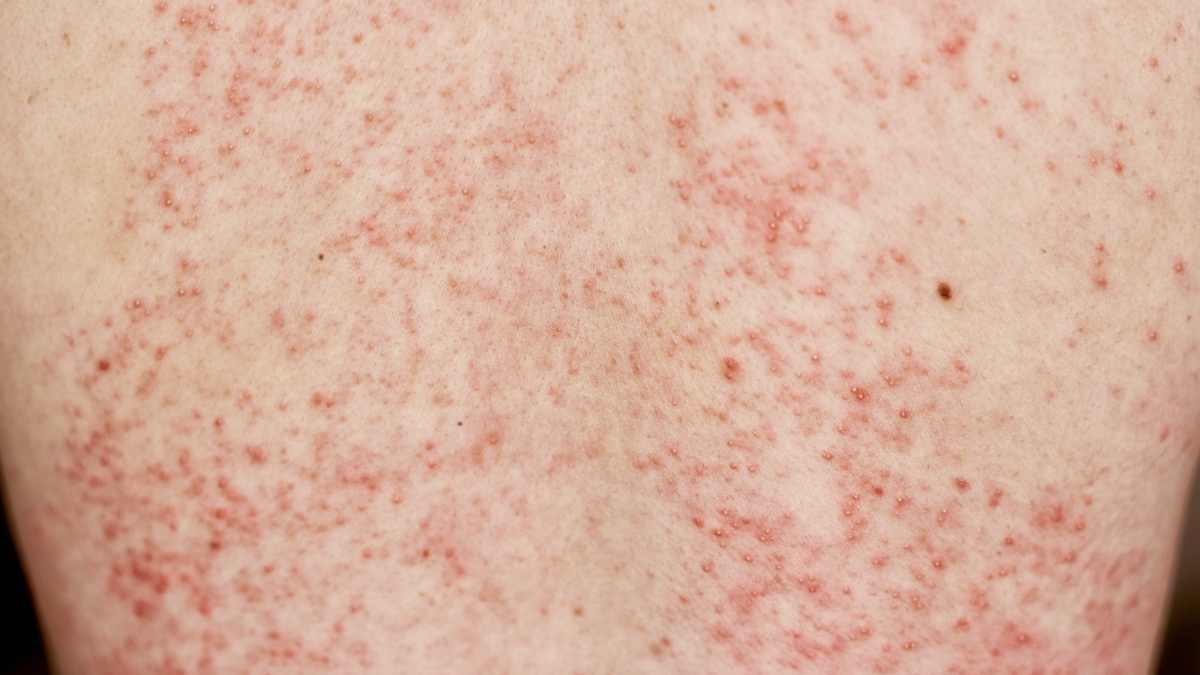
Skin rashes are a common dermatological issue that can arise from various causes, including allergies, infections, and underlying medical conditions. Understanding how these rashes heal is crucial for effective management and treatment. One frequently asked question is whether rashes dry up when healing. This article delves into the healing process of skin rashes, the role of inflammation, factors influencing healing time, common types of rashes, when to seek medical attention, and effective treatments to promote healing and comfort.
Understanding the Healing Process of Skin Rashes
The healing process of skin rashes involves several stages, including inflammation, proliferation, and remodeling. Initially, the skin reacts to injury or irritation with inflammation, characterized by redness, swelling, and warmth. This stage is crucial as it signals the body to initiate repair mechanisms. During the inflammatory phase, immune cells migrate to the affected area to combat any pathogens and begin tissue repair.
As the inflammation subsides, the proliferation phase begins. This phase is marked by the formation of new skin cells and blood vessels, which help to restore the skin’s integrity. The skin may appear moist during this time, which is a normal part of the healing process. It is essential to note that while some rashes may dry up and crust over, others may remain moist until fully healed, depending on their nature and severity.
The final stage of healing is remodeling, where the newly formed skin matures and strengthens. This phase can last for several weeks to months, depending on the type of rash and individual healing capabilities. During this time, the skin may continue to change in appearance, and it is not uncommon for the area to feel itchy or sensitive as it heals.
In summary, while many rashes may dry up as they heal, this is not a universal rule. The drying process often indicates that the rash is progressing towards recovery, but it is essential to monitor the rash’s characteristics and any accompanying symptoms to ensure proper healing.
The Role of Inflammation in Rash Recovery
Inflammation plays a pivotal role in the recovery of skin rashes. It is the body’s natural response to injury or infection, aiming to protect and repair damaged tissues. During the inflammatory phase, various immune cells, such as neutrophils and macrophages, are recruited to the site of injury. These cells work to eliminate pathogens and debris, facilitating the healing process.
While inflammation is necessary for healing, excessive or prolonged inflammation can hinder recovery. Chronic inflammation can lead to complications such as scarring or secondary infections. Therefore, managing inflammation is crucial for promoting effective healing. Topical corticosteroids and anti-inflammatory medications are often prescribed to help reduce inflammation and speed up recovery.
The sensation of itching, commonly associated with rashes, is also linked to inflammation. Histamines released during the inflammatory response can trigger itchiness, which may lead to scratching and further irritation. This cycle can prolong the healing process and exacerbate the rash. Therefore, addressing inflammation and itchiness is vital for a smoother recovery.
In conclusion, inflammation is a double-edged sword in the healing process. While it is essential for initiating repair, controlling excessive inflammation is equally important to ensure that the rash heals efficiently without complications.
Factors Influencing Rash Drying and Healing Time
Several factors can influence how quickly a rash dries up and heals. Skin type plays a significant role; individuals with oily skin may experience prolonged moisture in rashes, while those with dry skin may see rashes dry up more quickly. Additionally, the location of the rash on the body can affect healing time. Areas prone to friction or moisture, such as the armpits or groin, may take longer to heal due to increased irritation.
The underlying cause of the rash is another critical factor. Allergic reactions may resolve quickly once the allergen is removed, while rashes due to infections may take longer to heal as the body fights off the pathogen. Chronic skin conditions such as eczema or psoriasis can also lead to persistent rashes that may not dry up as quickly, requiring ongoing management and treatment.
Environmental factors, including humidity and temperature, can also impact rash healing. High humidity can keep the skin moist, potentially delaying the drying process. Conversely, dry air can promote faster drying but may also lead to skin irritation and exacerbate certain conditions.
Lastly, individual health factors, such as age, overall health, and immune system function, can significantly influence healing time. Older adults or individuals with compromised immune systems may experience slower healing processes, making it essential to consider these factors when assessing rash recovery.
Common Types of Rashes and Their Healing Characteristics
There are several common types of rashes, each with distinct characteristics and healing processes. Contact dermatitis is one of the most prevalent types, caused by skin exposure to irritants or allergens. This rash typically presents as red, itchy, and inflamed skin, which may ooze or crust over as it heals. With proper management, contact dermatitis can dry up within a few days to weeks.
Eczema, or atopic dermatitis, is another common condition characterized by dry, itchy patches of skin. Eczema rashes often fluctuate, with periods of flare-ups and remission. During flare-ups, the skin may appear red and inflamed, while during remission, it may dry and become less noticeable. Managing eczema involves moisturizing the skin and using anti-inflammatory treatments to promote healing.
Psoriasis is a chronic autoimmune condition that leads to the rapid growth of skin cells, resulting in thick, scaly patches. These rashes can be persistent and may not dry up completely, often requiring long-term treatment strategies to manage symptoms and promote skin health.
Finally, fungal infections such as ringworm can present as red, scaly patches that may ooze or crust. These rashes typically respond well to antifungal treatments, leading to a gradual drying up and resolution of symptoms. Understanding the specific characteristics of these rashes is essential for effective treatment and management.
When to Seek Medical Attention for Persistent Rashes
While many rashes can be managed at home, certain signs indicate that medical attention is necessary. If a rash persists for more than a few days without improvement, it is crucial to consult a healthcare professional. Prolonged rashes may indicate an underlying condition that requires specialized treatment.
Additionally, if a rash is accompanied by severe symptoms such as fever, swelling, or difficulty breathing, immediate medical attention is essential. These symptoms could suggest a more serious allergic reaction or infection that requires prompt intervention.
Rashes that exhibit signs of infection, such as increased redness, warmth, pus, or a foul odor, should also be evaluated by a healthcare provider. Infections can complicate the healing process and may necessitate antibiotics or other treatments.
Finally, if a rash is causing significant discomfort or affecting daily activities, seeking medical advice is advisable. A healthcare professional can provide appropriate treatment options and recommendations to alleviate symptoms and promote healing.
Effective Treatments to Promote Rash Healing and Comfort
Treating rashes effectively involves a combination of self-care measures and medical interventions. Topical treatments such as corticosteroids are commonly prescribed to reduce inflammation and alleviate itching. These medications can help to dry up rashes and promote faster healing when used as directed.
In addition to corticosteroids, moisturizers play a vital role in rash management. Keeping the skin hydrated can prevent excessive dryness and irritation, particularly in conditions like eczema. Emollients and occlusive agents can help lock in moisture and create a protective barrier on the skin.
For rashes caused by infections, antifungal or antibacterial medications may be necessary. These treatments target the underlying cause of the rash and can significantly speed up the healing process. It is essential to follow the prescribed treatment regimen to ensure effective recovery.
Lastly, addressing lifestyle factors such as stress management, avoiding known triggers, and maintaining a healthy diet can also support skin health and promote healing. Incorporating these strategies can enhance the overall effectiveness of rash treatments and improve comfort during the recovery process.
Conclusions:
In summary, the healing process of skin rashes is complex and can vary significantly depending on various factors, including the type of rash, underlying causes, and individual health. While many rashes may dry up as they heal, this is not a universal characteristic. Understanding the healing process, managing inflammation, and recognizing when to seek medical attention are crucial for effective rash management. By employing appropriate treatments and self-care measures, individuals can promote healing and enhance their comfort during recovery.
Read more
- American Academy of Dermatology – Understanding Rashes – A comprehensive guide on different types of rashes and their treatments.
- Mayo Clinic – Skin Rashes – Detailed information on skin rashes, symptoms, and when to seek care.
- Cleveland Clinic – Eczema – Insights into eczema, its management, and effective treatments.
- National Eczema Association – Eczema Treatment – Resources and strategies for managing eczema and promoting skin health.
- WebMD – Skin Rashes – An overview of common skin rashes, their causes, and treatment options.