

Se hai un abbonamento attivo ACCEDI QUI
Introduction:
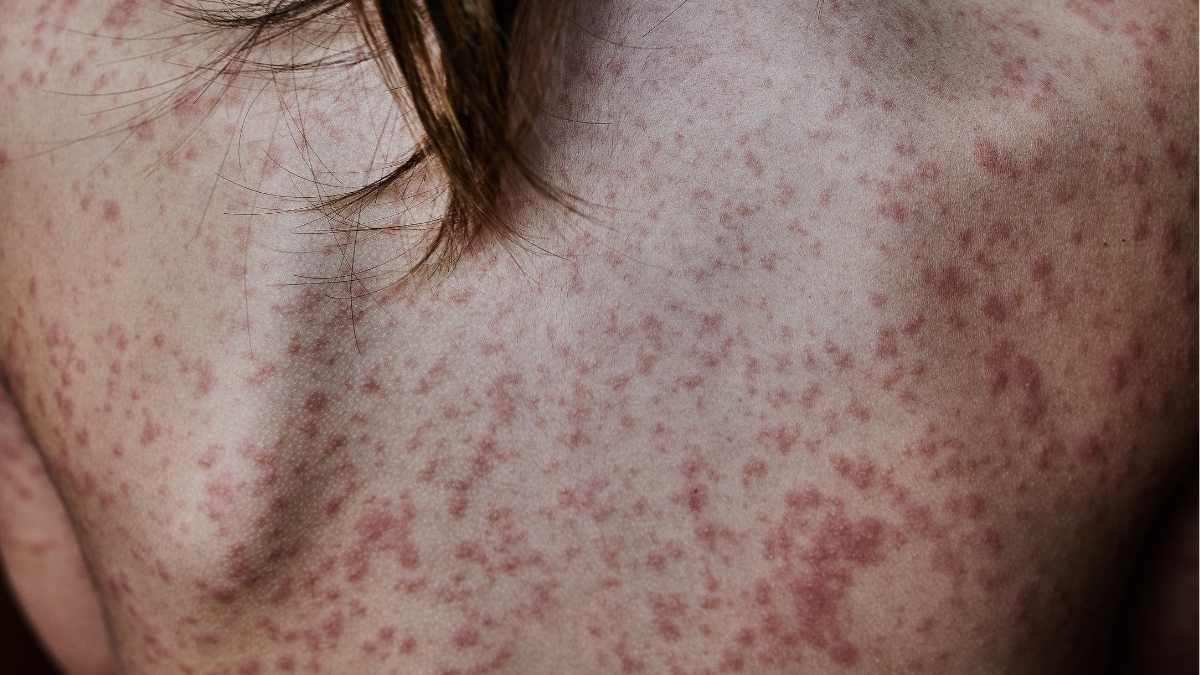
Anxiety is a common mental health condition that affects millions of people worldwide. While it is primarily recognized for its psychological symptoms, anxiety can also manifest in physical ways, including skin reactions. One of the lesser-known manifestations of anxiety is the development of rashes. Understanding the connection between anxiety and skin conditions is crucial for both patients and healthcare providers. This article delves into the physiological mechanisms behind anxiety-induced skin reactions, the types of rashes that may occur, diagnostic approaches, treatment strategies, and preventive measures.
Understanding the Connection Between Anxiety and Skin Reactions
The relationship between anxiety and skin reactions is complex and multifaceted. Anxiety can trigger a range of physiological responses in the body, which may lead to skin issues. When a person experiences anxiety, the body enters a state of heightened alertness, often referred to as the "fight or flight" response. This response can lead to various physical changes, including increased heart rate, muscle tension, and alterations in blood flow. These changes can affect the skin, making it more susceptible to irritation and inflammation.
Moreover, the skin and the brain are closely linked through the nervous system. The skin contains numerous nerve endings that respond to emotional stimuli. When a person is anxious, the brain sends signals that can lead to the release of stress hormones such as cortisol. Elevated cortisol levels can compromise the skin’s barrier function, leading to dryness, irritation, and the potential for rashes. This connection underscores the importance of recognizing the psychological factors that contribute to skin health.
Additionally, individuals with anxiety disorders may engage in behaviors that exacerbate skin conditions. For example, excessive scratching, picking at the skin, or neglecting proper skincare routines can lead to further irritation and rashes. Understanding this behavioral aspect is essential for addressing anxiety-induced skin reactions effectively.
Lastly, the stigma surrounding mental health can prevent individuals from seeking help for both their anxiety and its physical manifestations. This lack of awareness can lead to a cycle of untreated anxiety and worsening skin conditions. By fostering a better understanding of the connection between anxiety and skin reactions, individuals can be encouraged to seek appropriate treatment for both aspects of their health.
Physiological Mechanisms: How Anxiety Affects the Skin
The physiological mechanisms through which anxiety affects the skin are rooted in the body’s stress response. When a person experiences anxiety, the hypothalamus in the brain activates the adrenal glands, leading to the release of adrenaline and cortisol. These hormones prepare the body for immediate action but can also have detrimental effects on the skin. For instance, increased cortisol levels can lead to inflammation and a compromised skin barrier, making the skin more prone to rashes and irritation.
Moreover, the autonomic nervous system plays a significant role in the skin’s response to anxiety. The sympathetic nervous system, responsible for the fight or flight response, can cause blood vessels to constrict, reducing blood flow to the skin. This can lead to a pale appearance and increased sensitivity, which may trigger skin reactions. Conversely, the parasympathetic nervous system, which promotes relaxation, can help restore normal blood flow and skin function when anxiety is alleviated.
In addition, neurotransmitters such as serotonin and dopamine, which are affected by anxiety, can also influence skin health. These chemicals play a role in regulating mood and emotional responses, but they also have implications for skin conditions. For example, imbalances in serotonin levels can lead to increased sensitivity and irritation in the skin, contributing to the development of rashes.
Finally, chronic anxiety can lead to long-term changes in skin structure and function. Prolonged exposure to stress hormones can result in skin aging, loss of elasticity, and increased susceptibility to various dermatological conditions. Understanding these physiological mechanisms is essential for developing effective treatment strategies for individuals experiencing anxiety-related skin issues.
Common Types of Rashes Associated with Anxiety Disorders
Several types of rashes can be associated with anxiety disorders, each with distinct characteristics and underlying causes. One common type is eczema, or atopic dermatitis, which can be exacerbated by stress. Individuals with a history of eczema may find that their symptoms worsen during periods of heightened anxiety, leading to red, itchy patches on the skin. The emotional stress can trigger flare-ups, creating a cycle of anxiety and skin irritation.
Another type of rash frequently linked to anxiety is urticaria, commonly known as hives. Hives are raised, itchy welts that can appear suddenly and are often triggered by emotional stress. The release of histamines during an anxiety episode can lead to the development of hives, which may vary in size and can appear anywhere on the body. This condition can be particularly distressing, further exacerbating anxiety levels.
Additionally, contact dermatitis can occur as a result of anxiety-induced behaviors. Individuals may engage in skin-picking or scratching due to anxiety, leading to irritation and inflammation. This can result in localized rashes that may become infected if not managed properly. Recognizing the link between anxiety and these behaviors is crucial for effective treatment.
Lastly, psoriasis, a chronic autoimmune condition, can also be influenced by anxiety. Stress is a well-known trigger for psoriasis flare-ups, leading to red, scaly patches on the skin. The interplay between psychological stress and autoimmune responses highlights the need for a comprehensive approach to managing both anxiety and skin conditions.
Diagnostic Approaches for Anxiety-Induced Skin Conditions
Diagnosing anxiety-induced skin conditions requires a comprehensive approach that considers both physical and psychological factors. Healthcare providers typically begin with a thorough medical history and physical examination. This assessment helps to identify the specific characteristics of the rash and any potential triggers, including emotional stressors.
In some cases, dermatologists may perform patch testing to determine if contact dermatitis is present. This involves applying various substances to the skin to identify any allergic reactions. If a connection between the rash and anxiety is suspected, mental health evaluations may also be conducted to assess the severity of the individual’s anxiety disorder.
Moreover, psychological assessments can help identify underlying anxiety disorders. Standardized questionnaires and interviews can provide valuable insight into the individual’s mental health status, helping to establish a correlation between anxiety levels and skin reactions. This dual approach is essential for developing a comprehensive treatment plan.
Finally, collaboration between dermatologists and mental health professionals is crucial. A multidisciplinary approach ensures that both the physical and psychological aspects of the condition are addressed, leading to more effective management of anxiety-induced skin issues.
Treatment Strategies for Managing Anxiety-Related Rashes
Effective treatment for anxiety-related rashes often involves a combination of dermatological and psychological interventions. Topical treatments, such as corticosteroids or antihistamines, may be prescribed to alleviate skin inflammation and itching. These medications can help manage the immediate symptoms of the rash while the underlying anxiety is addressed.
In addition to topical treatments, oral medications may also be considered. Antihistamines can provide relief from itching and discomfort, while antidepressants or anti-anxiety medications may help manage the psychological aspects of anxiety. By addressing both the skin condition and the anxiety disorder, patients can experience significant improvements in their overall well-being.
Moreover, psychotherapy, particularly cognitive-behavioral therapy (CBT), can be highly effective in treating anxiety. CBT helps individuals identify and challenge negative thought patterns and behaviors associated with anxiety, leading to improved coping strategies. As anxiety levels decrease, patients may notice a corresponding improvement in their skin condition.
Finally, lifestyle modifications can play a significant role in managing anxiety-related rashes. Incorporating stress-reduction techniques such as mindfulness, meditation, and regular exercise can help alleviate anxiety symptoms. Additionally, maintaining a healthy skincare routine can support skin health and reduce the likelihood of flare-ups.
Preventive Measures: Reducing Anxiety to Alleviate Symptoms
Preventing anxiety-related rashes involves proactive measures to manage anxiety effectively. Developing healthy coping strategies is essential. Techniques such as deep breathing exercises, yoga, and mindfulness meditation can help individuals manage anxiety symptoms and reduce the likelihood of skin reactions.
Furthermore, establishing a consistent routine can provide a sense of stability and control. Regular sleep patterns, balanced nutrition, and physical activity can contribute to overall mental well-being. When individuals prioritize self-care, they are better equipped to handle stressors that may trigger anxiety and subsequent skin reactions.
Additionally, educating individuals about the connection between anxiety and skin health is crucial. Raising awareness can empower individuals to recognize the signs of anxiety and seek help before symptoms escalate. Support groups and mental health resources can provide valuable information and community support for those struggling with anxiety-related skin conditions.
Lastly, regular check-ins with healthcare providers can help monitor both mental and physical health. Ongoing communication with dermatologists and mental health professionals ensures that individuals receive comprehensive care tailored to their specific needs. By addressing anxiety proactively, individuals can reduce the risk of developing anxiety-related rashes.
Conclusions:
The connection between anxiety and skin reactions is a significant yet often overlooked aspect of mental health. Understanding the physiological mechanisms, recognizing common types of rashes, and employing effective diagnostic and treatment strategies are essential for managing these conditions. By addressing both anxiety and its physical manifestations, individuals can improve their overall quality of life and skin health. Preventive measures and lifestyle modifications can further enhance well-being, fostering a holistic approach to mental and physical health.
Read more
-
American Academy of Dermatology – Anxiety and Skin Conditions
This resource provides insights into how anxiety can impact skin health, including various conditions linked to stress. -
National Institute of Mental Health – Anxiety Disorders
A comprehensive overview of anxiety disorders, their symptoms, and their effects on physical health. -
Mayo Clinic – Eczema
This article discusses eczema, its triggers, and the potential role of anxiety in exacerbating symptoms. -
Harvard Health Publishing – Stress and Skin
An exploration of the relationship between stress and various skin conditions, highlighting the importance of managing anxiety. -
Cleveland Clinic – Hives (Urticaria)
A detailed look at hives, including causes, symptoms, and the impact of stress and anxiety on this condition.