

Se hai un abbonamento attivo ACCEDI QUI
Introduction:
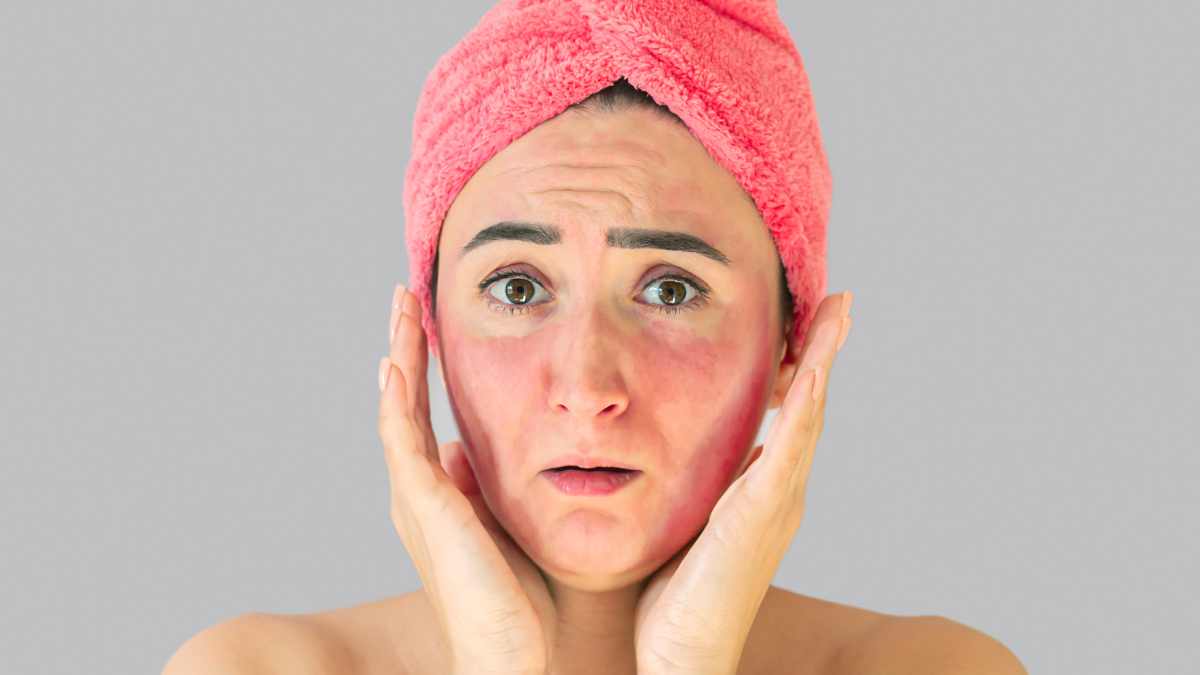
Skin rashes can be a source of discomfort and concern for many individuals. They manifest in various forms, from red patches to blisters, and can arise from a multitude of causes. Understanding how to effectively address and alleviate rashes is crucial for maintaining skin health and overall well-being. This article aims to provide a comprehensive guide on identifying, treating, and managing skin rashes, ensuring that you are well-equipped to handle these common dermatological issues.
Understanding the Types and Causes of Skin Rashes
Skin rashes can be classified into several types, each with distinct characteristics and underlying causes. Contact dermatitis is one of the most common forms, resulting from skin exposure to irritants or allergens. This type of rash often appears as red, itchy patches and can be triggered by substances like soaps, detergents, or certain plants such as poison ivy.
Another prevalent type is atopic dermatitis, commonly known as eczema. This chronic condition typically manifests in dry, itchy skin and is often associated with other allergic conditions such as asthma or hay fever. The exact cause of eczema remains unclear, but it is believed to involve a combination of genetic and environmental factors.
Psoriasis is another significant rash type characterized by thick, red patches covered with silvery scales. This autoimmune disorder can vary in severity and often requires long-term management. It is essential to recognize that skin rashes can also be symptomatic of systemic conditions, such as infections or autoimmune diseases, necessitating a thorough understanding of their potential origins.
Lastly, fungal infections, such as ringworm or candidiasis, can lead to rashes that may be mistaken for other dermatological issues. These infections thrive in warm, moist environments and often require antifungal treatments for resolution. Understanding the different types of rashes and their causes is the first step toward effective management and treatment.
Initial Assessment: Identifying Rash Symptoms and Triggers
A thorough initial assessment is crucial for identifying the specific type of rash and its underlying triggers. Begin by observing the appearance of the rash. Note its color, texture, and any accompanying symptoms such as itching, burning, or swelling. This information can provide valuable clues regarding the rash’s nature and potential causes.
Next, consider the location of the rash on the body. Certain rashes tend to occur in specific areas; for instance, contact dermatitis often appears on exposed skin, while psoriasis commonly affects the elbows, knees, and scalp. Understanding the distribution of the rash can help narrow down potential triggers and guide treatment decisions.
It is also essential to review any recent exposures or changes in your environment or routine. Have you started using new skincare products, changed detergents, or been exposed to new plants or animals? Documenting these factors can assist in pinpointing the cause of the rash and determining appropriate interventions.
Lastly, take note of any accompanying symptoms such as fever, fatigue, or joint pain, which may indicate a more systemic issue. This comprehensive assessment will provide a foundation for further evaluation and treatment options.
Recommended Diagnostic Tests for Rash Evaluation
In some cases, a healthcare professional may recommend diagnostic tests to further evaluate a rash. One common test is a skin scraping, which involves collecting a sample of skin cells for microscopic examination. This test can help identify fungal infections, scabies, or other dermatological conditions that may not be immediately apparent.
Another useful diagnostic tool is a patch test, particularly for suspected allergic contact dermatitis. During this test, small amounts of potential allergens are applied to the skin and monitored for reactions over a few days. This can help identify specific substances that may be triggering the rash.
Blood tests may also be warranted in certain situations, especially if an autoimmune condition or systemic infection is suspected. These tests can provide valuable information about underlying health issues that may be contributing to the rash.
Finally, a biopsy may be performed to obtain a deeper understanding of the rash’s nature. This involves removing a small section of skin for laboratory analysis, which can help diagnose conditions such as psoriasis, eczema, or skin cancer. Collaborating with a healthcare professional for appropriate diagnostic testing is essential for accurate diagnosis and effective treatment.
Effective Treatment Options for Common Skin Rashes
Once the type and cause of a rash have been identified, appropriate treatment options can be explored. For contact dermatitis, the primary approach involves avoiding the offending irritant or allergen. Topical corticosteroids may also be prescribed to reduce inflammation and relieve itching. In severe cases, oral corticosteroids may be necessary for more extensive rashes.
For eczema, treatment typically focuses on moisturizing the skin and reducing inflammation. Over-the-counter hydrocortisone creams can help alleviate symptoms, while prescription medications may be needed for more severe cases. Additionally, identifying and avoiding triggers, such as certain fabrics or soaps, can play a significant role in managing flare-ups.
Psoriasis management often includes topical treatments, such as vitamin D analogs or retinoids, to slow skin cell turnover and reduce scaling. In more severe cases, systemic medications or phototherapy may be recommended to control the condition effectively.
Fungal infections require antifungal treatments, which can be topical or oral, depending on the severity of the infection. It is crucial to follow the prescribed treatment regimen to ensure complete resolution of the rash and prevent recurrence.
Home Remedies and Lifestyle Changes for Rash Relief
In addition to medical treatments, several home remedies and lifestyle changes can help alleviate rash symptoms. Moisturizing the affected area is essential, particularly for conditions like eczema. Using fragrance-free, hypoallergenic moisturizers can help maintain skin hydration and reduce irritation.
Applying cold compresses to the rash can provide immediate relief from itching and inflammation. Simply soak a clean cloth in cold water, wring it out, and place it on the affected area for 10-15 minutes. This method can be particularly effective for rashes caused by heat or irritation.
Incorporating oatmeal baths into your routine can also soothe irritated skin. Colloidal oatmeal is known for its anti-inflammatory properties and can help relieve itching and discomfort. Add finely ground oatmeal to a lukewarm bath and soak for 15-20 minutes for optimal results.
Lastly, adopting a healthy lifestyle can significantly impact skin health. Staying hydrated, maintaining a balanced diet rich in vitamins and minerals, and managing stress levels can all contribute to improved skin condition and resilience against rashes.
When to Seek Professional Medical Advice for Rashes
While many skin rashes can be managed at home, there are specific situations where professional medical advice is warranted. If a rash persists for more than a few days without improvement or worsens despite home treatments, it is essential to consult a healthcare professional. This could indicate a more serious underlying condition that requires medical intervention.
Additionally, if the rash is accompanied by systemic symptoms such as fever, chills, or significant pain, seeking medical attention is crucial. These symptoms may suggest an infection or other serious health issue that necessitates prompt evaluation and treatment.
Rashes that appear suddenly and spread rapidly should also be assessed by a healthcare provider. This could indicate an allergic reaction or infectious process that may require immediate care.
Lastly, if you experience any signs of anaphylaxis, such as difficulty breathing, swelling of the face or throat, or a rapid heartbeat, seek emergency medical assistance immediately. Recognizing when to seek professional help is vital for ensuring proper diagnosis and treatment of skin rashes.
Conclusions:
In conclusion, understanding skin rashes, their causes, and effective treatment options is essential for managing these common dermatological issues. By conducting a thorough assessment, utilizing appropriate diagnostic tests, and exploring both medical and home remedies, individuals can take proactive steps toward alleviating rash symptoms. However, it is crucial to recognize when professional medical advice is necessary to ensure optimal skin health and overall well-being.
Read more
- American Academy of Dermatology – Rashes – A comprehensive resource on various types of rashes, their causes, and treatment options.
- Mayo Clinic – Skin Rashes – Detailed information on skin rashes, including symptoms and when to seek medical advice.
- Cleveland Clinic – Eczema – An overview of eczema, its causes, symptoms, and treatment strategies.
- National Eczema Association – Treatment – Insights into various treatment options for eczema and related skin conditions.
- WebMD – Skin Rashes – A guide to understanding skin rashes, their symptoms, and potential treatments.