

Se hai un abbonamento attivo ACCEDI QUI
Introduction:
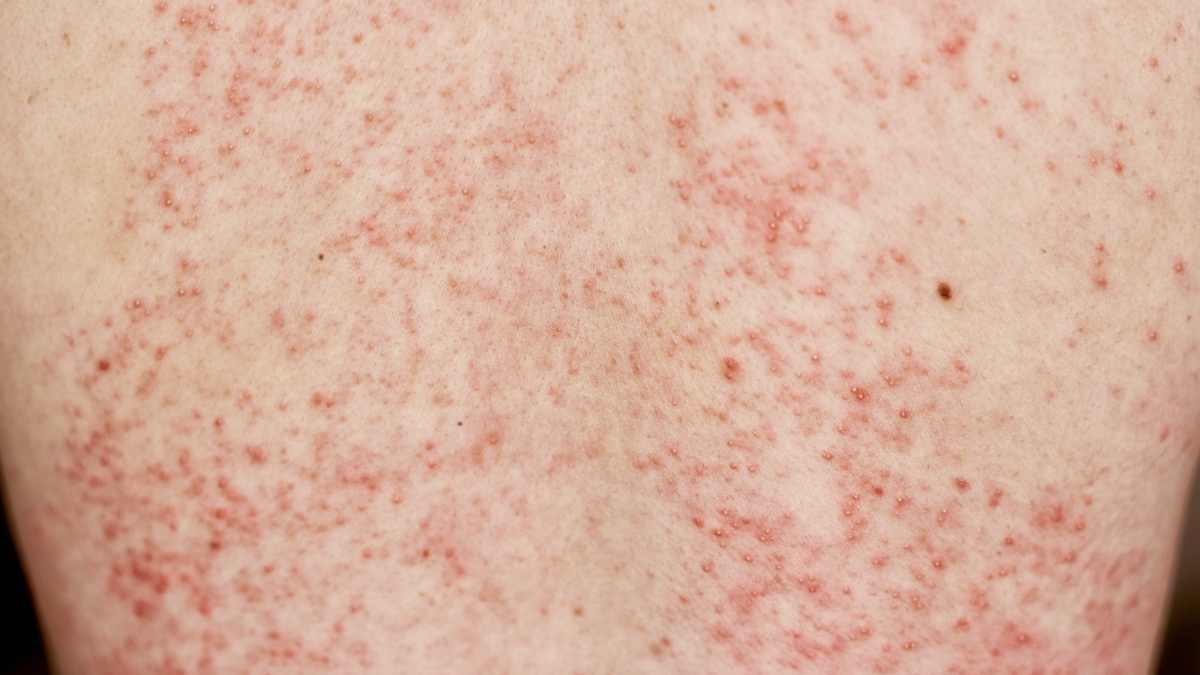
Skin rashes are common dermatological issues that can arise from a variety of causes, including allergies, infections, and underlying medical conditions. Understanding the nature of your rash is crucial for effective treatment. This article aims to provide a comprehensive overview of how to identify different types of rashes, the symptoms associated with them, and when to seek professional help. By understanding the basics of skin rashes, you can take the first steps toward managing your skin health.
Understanding the Basics of Skin Rashes and Their Types
Skin rashes can manifest in numerous forms, each with distinct characteristics. Eczema, for instance, is often characterized by dry, itchy patches that can become inflamed. It is common in children but can affect individuals of all ages. Psoriasis, on the other hand, presents as red, scaly plaques that may be itchy or painful, often occurring on the elbows, knees, and scalp. Understanding these basic types is essential for recognizing the symptoms that may accompany them.
Another common type of rash is contact dermatitis, which occurs when the skin comes into contact with an irritant or allergen. This rash can appear as red, itchy bumps or blisters. Fungal infections, such as ringworm, can also cause rashes that are typically circular and may have a raised border. Each of these rashes has unique triggers and requires different approaches for management.
In addition to these, there are viral rashes, such as those caused by the varicella-zoster virus, which leads to chickenpox. This rash is characterized by small, itchy blisters that eventually crust over. Understanding the type of rash you have is the first step in determining its cause and subsequent treatment options.
Finally, some rashes are indicative of systemic conditions, such as lupus or dermatitis herpetiformis, which require a more comprehensive medical evaluation. Recognizing the potential severity of a rash can guide you in seeking appropriate care.
Common Symptoms Associated with Various Rash Types
Rashes can present with a variety of symptoms, and recognizing these can aid in identifying the type of rash you may have. Itching is one of the most common symptoms associated with many rashes, including eczema and allergic reactions. The intensity of itching can vary, and in some cases, it may lead to scratching, which can worsen the rash and lead to secondary infections.
Redness is another common feature of skin rashes. This can range from mild pinkness to severe inflammation, depending on the underlying cause. For instance, psoriasis typically presents with well-defined red patches, while contact dermatitis may show more diffuse redness. Observing the pattern and distribution of redness can provide clues about the rash’s origin.
Blisters can also be a significant symptom, particularly in rashes caused by infections or allergic reactions. Conditions like chickenpox or herpes simplex virus infections often lead to blister formation. The presence of blisters can indicate a more severe underlying issue that may require prompt medical intervention.
Lastly, scaling or flaking of the skin is often observed in conditions like psoriasis or fungal infections. The texture of the rash can provide essential information about its nature. For instance, a scaly rash may suggest a chronic condition, while a rash with crusting could indicate an infection or inflammatory process.
Key Diagnostic Features to Identify Your Rash
When trying to identify the type of rash you have, several key diagnostic features should be considered. Location is one of the most important factors. For example, rashes that occur in skin folds may suggest a fungal infection, while rashes on the face could indicate an allergic reaction or eczema. Mapping out where the rash appears can significantly narrow down potential causes.
The appearance of the rash is equally important. Rashes can be flat, raised, blistered, or scaly. For example, a flat, red rash may indicate an allergic reaction, while raised, scaly patches could suggest psoriasis. Noting the texture and elevation of the rash can provide valuable information for diagnosis.
Duration of the rash is another critical factor. Rashes that resolve quickly may be due to irritants or allergens, while chronic rashes that persist for weeks or months may indicate underlying conditions such as eczema or psoriasis. Keeping a record of how long the rash has been present can assist healthcare providers in making an accurate diagnosis.
Finally, the progression of the rash should be monitored. Some rashes may change over time, either improving or worsening. Documenting these changes can help healthcare professionals determine the most appropriate course of action.
The Role of Medical History in Rash Assessment
A thorough medical history is essential in assessing skin rashes. Personal history includes any previous skin conditions, allergies, or chronic illnesses that may influence the current rash. For instance, individuals with a history of eczema may be more susceptible to developing similar rashes in the future.
Family history can also play a significant role. Certain skin conditions, such as psoriasis and eczema, have genetic components. Knowing whether family members have experienced similar rashes can provide insight into potential hereditary factors that may affect your skin health.
Recent exposures to allergens, irritants, or infectious agents should also be discussed during a medical evaluation. This includes new skincare products, medications, or environmental factors. Identifying recent changes in your routine can help pinpoint the cause of the rash.
Lastly, understanding any systemic symptoms that accompany the rash is crucial. Symptoms such as fever, fatigue, or joint pain may indicate a more serious underlying condition that requires immediate attention. Providing a comprehensive medical history can greatly aid healthcare providers in diagnosing and treating your rash effectively.
When to Seek Professional Help for Skin Rashes
While many rashes can be managed at home, certain situations warrant professional evaluation. Severe itching that disrupts daily activities or sleep can be a sign of a more serious condition. If over-the-counter treatments do not alleviate the symptoms, it is advisable to consult a healthcare provider.
Rashes that spread rapidly or are accompanied by systemic symptoms such as fever or difficulty breathing should be treated as emergencies. These signs may indicate an allergic reaction or infection that requires immediate medical intervention. Prompt action can prevent complications and ensure appropriate treatment.
If a rash persists for more than a few weeks despite home treatment, it is essential to seek professional help. Chronic rashes may require specialized care and tailored treatment plans to manage effectively. Ignoring persistent rashes can lead to worsening symptoms and potential complications.
Finally, if you notice any signs of infection, such as increased redness, swelling, or discharge from the rash, it is crucial to seek medical attention. Infections can escalate quickly and may require antibiotics or other treatments to resolve.
Recommended Tests and Treatments for Rash Identification
When you visit a healthcare provider for a rash, they may recommend several tests to help identify the underlying cause. Skin scrapings or biopsies can be performed to examine skin cells under a microscope. This can help identify fungal infections, psoriasis, or other skin conditions.
Patch testing is another common diagnostic tool, particularly for suspected allergic reactions. Small amounts of various allergens are applied to the skin to determine if a reaction occurs. This can help identify specific substances that may be causing contact dermatitis.
In some cases, blood tests may be necessary to assess for systemic conditions that could be contributing to the rash. These tests can help identify underlying autoimmune diseases or infections that may require more comprehensive treatment.
Once a diagnosis is established, treatment options will vary based on the type and severity of the rash. Topical treatments, such as corticosteroids or antifungal creams, are often effective for localized rashes. In more severe cases, oral medications or phototherapy may be recommended.
Conclusions:
Identifying the type of rash you have is crucial for effective treatment and management. By understanding the basics of skin rashes, their symptoms, and key diagnostic features, you can take proactive steps toward addressing your skin health. Always consider your medical history and seek professional help when necessary to ensure that your rash is properly assessed and treated.
Read more
- American Academy of Dermatology – A comprehensive resource for skin conditions, including detailed descriptions of various rashes and their treatments.
- Mayo Clinic – Skin Rashes – Provides information on symptoms, causes, and treatment options for skin rashes.
- Cleveland Clinic – Rash Diagnosis – Offers insights into the different types of rashes and when to seek medical advice.
- WebMD – Skin Rashes – A user-friendly slideshow that outlines various rashes and their characteristics.
- National Eczema Association – A dedicated resource for understanding eczema, its symptoms, and treatment options.