
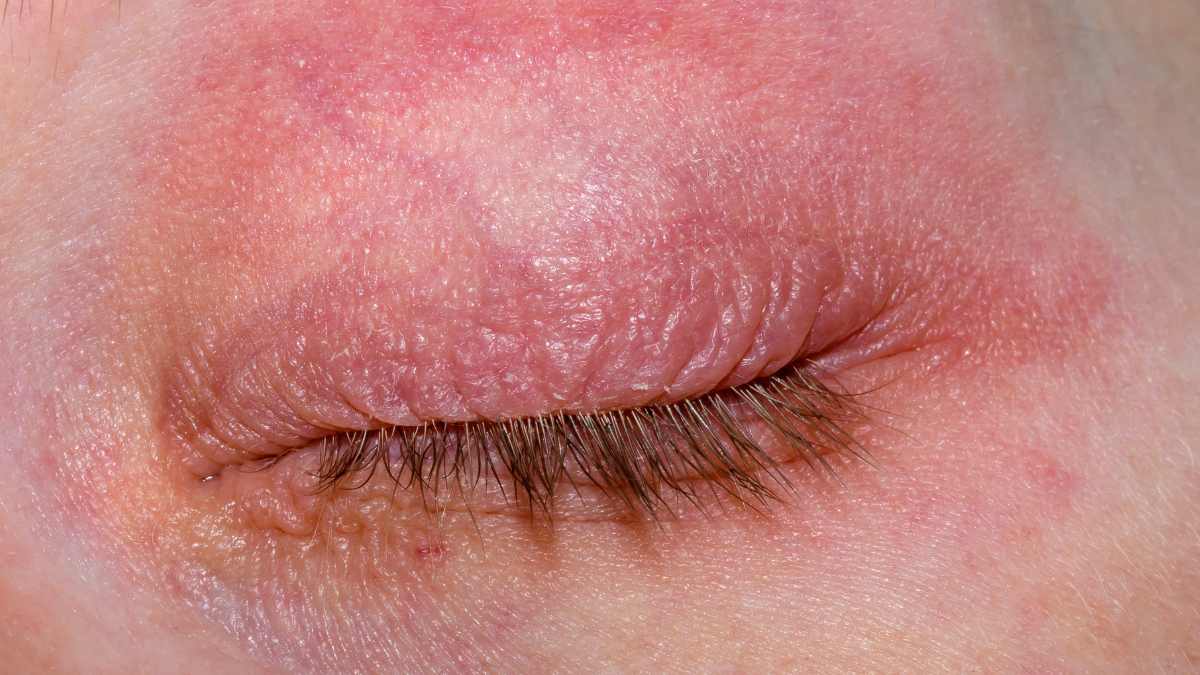

Introduction:
Skin rashes are a common occurrence, often signaling an underlying condition that requires attention. With a myriad of potential causes, ranging from allergies to infections, understanding how to identify the type of rash can be crucial for effective treatment. This article aims to provide a comprehensive overview of skin rashes, including their types, symptoms, diagnostic methods, and when to seek professional help. By the end, readers will be equipped with the knowledge to better understand their skin health.
Understanding the Basics of Skin Rashes and Their Types
Skin rashes can manifest in various forms, each with distinct characteristics. Eczema, for instance, is a chronic condition that leads to inflamed, itchy skin, often appearing red and scaly. Psoriasis, on the other hand, is an autoimmune disorder that results in thick, silvery scales and can be associated with joint pain. Other common types include contact dermatitis, which occurs due to skin exposure to irritants or allergens, and hives, characterized by raised, itchy welts on the skin.
In addition to these, there are infectious rashes caused by bacteria, viruses, or fungi. Impetigo, a bacterial infection, presents as red sores that can rupture and ooze, while shingles is a viral infection that causes a painful, blistering rash. Fungal infections, like ringworm, can also lead to rashes that are typically red and itchy with a ring-like appearance.
Understanding the type of rash is essential for determining its cause and appropriate treatment. Rashes can also be classified based on their duration: acute rashes appear suddenly and last for a short period, while chronic rashes persist for weeks or longer. This classification can provide clues about the underlying issue.
Lastly, some rashes may indicate systemic conditions, such as lupus or dermatomyositis, which can affect multiple organ systems. Recognizing the type and potential implications of a rash is vital for effective management and treatment.
Common Symptoms Associated with Various Skin Rashes
Symptoms accompanying skin rashes can vary significantly depending on the underlying cause. Itching is one of the most common symptoms, often associated with conditions like eczema and hives. In some cases, the itchiness can be severe, leading to scratching that exacerbates the rash and increases the risk of infection.
Redness is another prevalent symptom, indicating inflammation in the affected area. This can be seen in conditions like psoriasis and contact dermatitis. The intensity of redness can vary; in some cases, it may be localized, while in others, it can spread across larger areas of the body.
Swelling may also accompany rashes, particularly in allergic reactions or infections. This can lead to discomfort and may be accompanied by other symptoms such as blistering, which is common in conditions like shingles or impetigo. Blisters can be painful and may ooze fluid, increasing the risk of secondary infections.
Lastly, some rashes may present with flaking or peeling skin, which is often seen in psoriasis or fungal infections. This symptom can lead to additional discomfort and may require specific treatments to manage effectively.
Diagnostic Approaches for Identifying Skin Rashes
Diagnosing a skin rash typically begins with a thorough medical history and physical examination. A healthcare provider will ask about the rash’s onset, duration, and any accompanying symptoms. Detailed questions about potential allergens, recent exposures, and personal or family medical history can provide valuable insights into the rash’s cause.
In some cases, laboratory tests may be necessary to confirm a diagnosis. These can include skin scrapings to identify fungal infections, patch tests to determine allergies, or blood tests to check for autoimmune conditions. A biopsy may also be performed to examine skin cells under a microscope, helping to rule out serious conditions.
Imaging studies are generally not required for rash diagnosis unless there are underlying systemic symptoms or complications. However, they can be useful in cases where a rash is suspected to be linked to internal organ involvement.
Ultimately, the combination of clinical evaluation and diagnostic testing allows for a more accurate identification of the rash, guiding appropriate treatment options.
Key Factors Influencing Rash Identification and Diagnosis
Several factors can influence the identification and diagnosis of skin rashes. Age is a significant factor, as certain rashes are more prevalent in specific age groups. For example, infantile eczema is common in young children, while psoriasis typically develops in adults. Understanding the demographics can help narrow down potential causes.
Geographic location also plays a role, as certain rashes are more prevalent in specific regions due to environmental factors. For instance, tropical climates may see an increase in fungal infections, while urban areas may have higher instances of allergic reactions due to pollution.
Lifestyle factors, such as occupation and hobbies, can also contribute to rash development. Individuals working in certain industries may be more susceptible to contact dermatitis due to exposure to irritants. Similarly, outdoor enthusiasts may encounter rashes from insect bites or plant exposure.
Lastly, underlying health conditions can significantly impact rash presentation and diagnosis. Individuals with compromised immune systems or chronic illnesses may exhibit atypical rash patterns, complicating the diagnostic process.
When to Seek Professional Help for Skin Rashes
While many skin rashes can be managed at home, certain situations warrant professional evaluation. If a rash is accompanied by severe itching, pain, or discomfort, it may indicate a more serious condition that requires medical attention. Additionally, rashes that do not improve with over-the-counter treatments should be assessed by a healthcare provider.
Rashes that spread rapidly or are associated with systemic symptoms such as fever, chills, or difficulty breathing should prompt immediate medical evaluation. These could be signs of an allergic reaction or infection that may require urgent treatment.
Furthermore, if a rash is persistent and recurrent, it may indicate an underlying chronic condition that needs to be addressed. Conditions like eczema or psoriasis often require specialized treatment plans to manage flare-ups effectively.
Lastly, any rash that appears suddenly after exposure to a known allergen or irritant should be evaluated, especially if it leads to significant swelling or difficulty breathing, as this could indicate an anaphylactic reaction.
Treatment Options Based on Rash Type and Severity
Treatment for skin rashes varies widely based on the underlying cause and severity. Topical treatments, such as corticosteroids, are commonly used for inflammatory conditions like eczema and psoriasis to reduce inflammation and itching. For allergic reactions, antihistamines may be prescribed to alleviate symptoms.
In cases of bacterial infections, antibiotics may be necessary to clear the infection, while antifungal creams or oral medications are used for fungal rashes. For viral infections like shingles, antiviral medications can help reduce the duration and severity of symptoms.
Lifestyle modifications can also play a crucial role in managing rashes. Avoiding known irritants, using gentle skincare products, and maintaining proper skin hydration can significantly improve symptoms. In chronic cases, ongoing management strategies may include phototherapy or systemic medications.
Ultimately, the choice of treatment should be tailored to the individual, considering the specific rash type, severity, and overall health status.
Conclusions:
Understanding skin rashes is essential for effective management and treatment. By recognizing the types, symptoms, and diagnostic approaches, individuals can take proactive steps in addressing their skin health. When in doubt, seeking professional help is crucial to ensure appropriate care and treatment.
Read more
-
American Academy of Dermatology – Skin Rashes – A comprehensive resource for understanding various skin rashes, their symptoms, and treatments.
-
Mayo Clinic – Skin Rash – Detailed information on skin rashes, including causes, symptoms, and when to seek medical advice.
-
Cleveland Clinic – Types of Rashes – An overview of different types of skin rashes and their associated symptoms and treatments.
-
WebMD – Skin Rash – A user-friendly guide to understanding skin rashes, including causes, symptoms, and home remedies.
-
National Eczema Association – Eczema Basics – A resource dedicated to eczema, providing information on symptoms, triggers, and treatment options.