
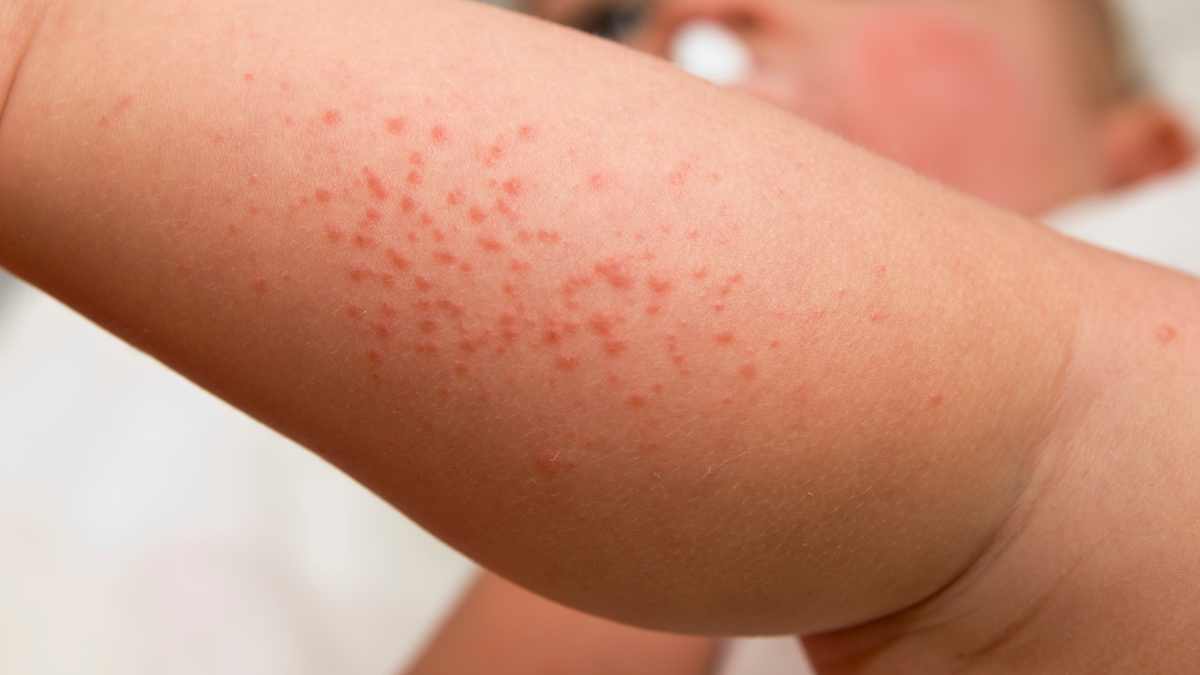

Introduction:
Skin rashes are common dermatological conditions that can arise from a variety of causes, ranging from infections to allergic reactions. Understanding how to identify the source of a rash is crucial for effective treatment and management. This article provides a comprehensive guide on how to figure out what a rash is from, covering the basics of skin rashes, common types and their symptoms, the importance of medical history, physical examination techniques, diagnostic tests, and the development of a treatment plan.
Understanding the Basics of Skin Rashes and Their Causes
Skin rashes are defined as changes in the skin’s appearance or texture, often characterized by redness, swelling, and irritation. Rashes can occur due to a myriad of factors, including infections, autoimmune diseases, allergens, and irritants. Understanding the underlying causes is essential for effective diagnosis and treatment. Rashes can be acute, appearing suddenly and resolving quickly, or chronic, persisting for an extended period.
The skin acts as a barrier against environmental factors, and when this barrier is compromised, it can lead to inflammation and rashes. Common causes of rashes include viral infections, such as chickenpox or measles, bacterial infections like impetigo, and fungal infections such as ringworm. Allergic reactions to substances like poison ivy or certain medications can also trigger rashes.
In addition to infectious and allergic causes, rashes can result from underlying systemic conditions. For instance, conditions like psoriasis and eczema are chronic skin disorders that can lead to recurrent rashes. Environmental factors, including temperature changes and humidity, can exacerbate existing skin conditions, making it essential to consider these aspects when evaluating a rash.
Finally, understanding the basic anatomy of the skin can aid in identifying the type of rash. The skin comprises multiple layers, and rashes can affect different layers, leading to variations in appearance and symptomatology. Recognizing whether a rash is superficial or deeper can provide clues about its cause and potential treatment options.
Identifying Common Types of Rashes and Their Symptoms
There are several common types of rashes, each with distinct characteristics and symptoms. Contact dermatitis is a prevalent form of rash that occurs when the skin comes into contact with an irritant or allergen. Symptoms typically include redness, itching, and blistering, often localized to the area of contact. Identifying the offending substance is crucial for treatment.
Another common type is eczema, a chronic inflammatory skin condition characterized by dry, itchy patches. Eczema can flare up due to various triggers, including stress, allergens, and environmental factors. Symptoms may include redness, scaling, and oozing in severe cases. Understanding the pattern and location of eczema can help differentiate it from other rashes.
Psoriasis is another significant skin disorder that presents as thick, red patches covered with silvery scales. It is often associated with systemic symptoms, including joint pain, and can be triggered by stress, infections, or certain medications. Recognizing the classic appearance of psoriasis is vital for appropriate management.
Lastly, hives (urticaria) are raised, itchy welts that can appear suddenly and vary in size. They are often a result of allergic reactions to foods, medications, or insect stings. Hives may resolve quickly but can also recur, making it essential to identify the underlying trigger for effective treatment.
Evaluating the Patient’s Medical History and Risk Factors
A thorough medical history is critical in determining the cause of a rash. Key aspects to consider include previous skin conditions, allergies, and family history of dermatological issues. Patients should be asked about any recent exposures to allergens or irritants, such as new skincare products, medications, or environmental changes.
Understanding the patient’s lifestyle can also provide insights into potential triggers. For instance, individuals with a history of atopic dermatitis may be more susceptible to developing rashes in response to stress or environmental factors. Occupational exposures should also be evaluated, as certain professions may increase the risk of contact dermatitis or other skin conditions.
Additionally, it is essential to assess any systemic symptoms that may accompany the rash. Fever, joint pain, or respiratory symptoms can indicate a more serious underlying condition, such as an infection or autoimmune disease. Gathering this information helps create a comprehensive picture of the patient’s health and guides further evaluation.
Finally, understanding the patient’s demographics, including age, gender, and geographic location, can provide context for the rash. Certain rashes are more prevalent in specific populations or regions, and this knowledge can assist healthcare providers in narrowing down potential diagnoses.
Conducting a Physical Examination for Rash Assessment
A physical examination is a vital step in assessing a rash. Healthcare providers should carefully inspect the rash’s characteristics, including its location, size, shape, and distribution. Noting whether the rash is localized or generalized can provide clues about its cause.
The appearance of the rash is also crucial. Providers should evaluate the color, texture, and presence of any lesions or scales. For example, a rash with vesicles may suggest a viral infection, while a scaly rash could indicate psoriasis or eczema. Documenting these findings is essential for accurate diagnosis and treatment planning.
Palpation of the rash can help assess its temperature and tenderness. A warm, tender rash may indicate an infection, while a cool, dry rash could suggest a chronic condition like eczema. Additionally, examining surrounding areas for signs of inflammation or secondary infections can provide further insights.
Finally, a thorough examination should include an assessment of the patient’s overall skin health. Providers should look for signs of dryness, oiliness, or other skin conditions that may coexist with the rash. This holistic approach ensures that all relevant factors are considered in the evaluation process.
Utilizing Diagnostic Tests for Accurate Rash Identification
While a thorough history and physical examination are critical, diagnostic tests may be necessary for accurate rash identification. Skin scrapings can be performed to identify fungal infections, while cultures may be taken to detect bacterial pathogens. These tests can help differentiate between various infectious causes of rashes.
Patch testing is another valuable diagnostic tool, particularly for suspected allergic contact dermatitis. This test involves applying small amounts of potential allergens to the skin and observing for reactions over several days. Identifying specific allergens can guide avoidance strategies and treatment options.
In some cases, a skin biopsy may be warranted. A biopsy involves removing a small sample of skin for laboratory analysis. This can help diagnose conditions like psoriasis, eczema, or skin cancers. The histopathological examination provides detailed information about the rash’s characteristics at a cellular level.
Finally, blood tests may be necessary to evaluate for systemic conditions that could manifest as skin rashes. Tests for autoimmune markers or complete blood counts can provide insights into underlying health issues that may contribute to the rash. Utilizing these diagnostic tests ensures a comprehensive approach to rash evaluation.
Developing a Treatment Plan Based on Rash Diagnosis
Once a rash has been accurately diagnosed, developing an effective treatment plan is essential. The treatment approach will vary depending on the underlying cause. For example, rashes caused by infections may require topical or systemic antibiotics, while allergic reactions may necessitate antihistamines or corticosteroids.
For chronic conditions like eczema or psoriasis, long-term management strategies should be implemented. This may include the use of moisturizers, topical corticosteroids, and lifestyle modifications to avoid triggers. Educating patients about their condition and the importance of adherence to treatment is vital for successful outcomes.
In cases where the rash is associated with systemic conditions, collaboration with other healthcare providers may be necessary. For instance, patients with autoimmune diseases may benefit from a multidisciplinary approach involving dermatologists, rheumatologists, and allergists. This ensures comprehensive care and management of the underlying condition.
Finally, regular follow-up appointments should be scheduled to monitor the rash’s progress and make any necessary adjustments to the treatment plan. Ongoing communication between the patient and healthcare provider is crucial for effective management, as rashes can evolve over time and may require modifications in treatment.
Conclusions:
Understanding how to identify the source of a rash is essential for effective treatment and management. By evaluating the patient’s medical history, conducting a thorough physical examination, utilizing diagnostic tests, and developing a tailored treatment plan, healthcare providers can ensure that patients receive appropriate care for their skin conditions.
Read more:
- American Academy of Dermatology – A comprehensive resource for dermatological information, including skin rashes and their management.
- Mayo Clinic – Skin Rash – An authoritative source detailing various types of skin rashes, their symptoms, and treatment options.
- National Eczema Association – A valuable resource for understanding eczema, its triggers, and management strategies.
- WebMD – Skin Rashes – An informative slideshow that provides insights into different types of skin rashes and their causes.
- DermNet NZ – A trusted source for dermatological conditions, offering detailed descriptions and images of various skin rashes.