

Introduction:
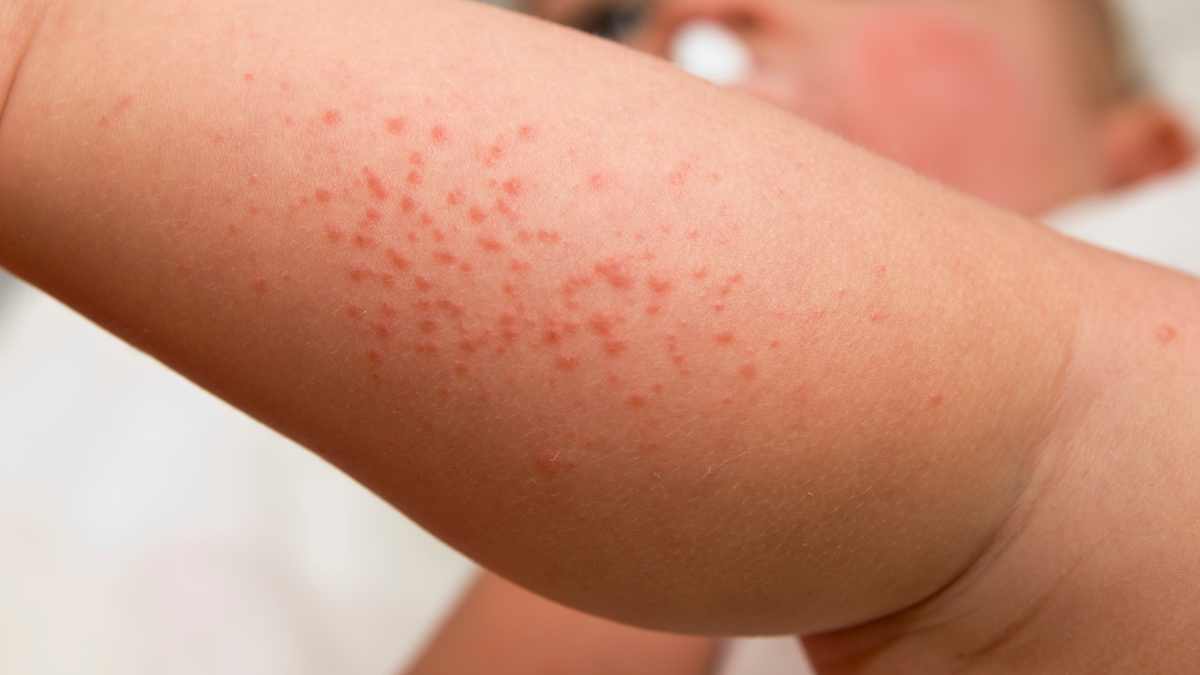
Skin rashes can be an uncomfortable and distressing experience, often causing itching, redness, and irritation. They can arise from various causes, ranging from allergic reactions to infections or underlying medical conditions. Understanding how to address a rash quickly is essential for alleviating discomfort and preventing further complications. This article will guide you through the types and causes of skin rashes, how to assess symptoms and triggers, effective home remedies, over-the-counter treatments, when to seek medical help, and preventive measures to avoid future outbreaks.
Understanding the Types and Causes of Skin Rashes
Skin rashes can manifest in numerous forms, including redness, bumps, blisters, or scaling. Common types include eczema, psoriasis, contact dermatitis, and hives. Each type has distinct characteristics and underlying causes. For instance, eczema is often linked to genetic factors and environmental triggers, while contact dermatitis results from direct exposure to irritants or allergens. Recognizing the specific type of rash is crucial for effective treatment.
The causes of rashes can be broadly categorized into infectious, inflammatory, and allergic reactions. Infectious rashes may arise from bacteria, viruses, or fungi, such as chickenpox or ringworm. Inflammatory rashes, like psoriasis, are typically chronic conditions characterized by immune system dysfunction. Allergic reactions can occur from foods, medications, or environmental factors, leading to conditions like hives or contact dermatitis.
In addition to these categories, rashes can also be triggered by external factors such as temperature changes, humidity, and friction. For instance, heat rash occurs in hot and humid conditions, while friction from clothing can exacerbate existing skin conditions. Understanding these triggers can help in identifying the cause of a rash and implementing appropriate remedies.
Lastly, certain systemic conditions, such as autoimmune disorders or hormonal changes, can also contribute to the development of skin rashes. Recognizing that a rash may be a symptom of a more significant health issue is vital for comprehensive care and management.
Initial Assessment: Identifying Rash Symptoms and Triggers
When faced with a rash, the first step is to conduct an initial assessment. Observing the appearance of the rash—its color, texture, and distribution—can provide valuable clues about its nature. For example, a red, raised rash may indicate hives, while dry, scaly patches could suggest eczema. Additionally, noting any accompanying symptoms, such as fever or fatigue, can help in determining the underlying cause.
Identifying potential triggers is equally important. Consider recent changes in your environment, such as new skincare products, laundry detergents, or dietary changes. Keeping a journal to track when the rash appears and any associated activities can help pinpoint specific triggers. This information is essential for avoiding future outbreaks and guiding treatment decisions.
It is also crucial to assess the duration and progression of the rash. If the rash appears suddenly and resolves quickly, it may be an allergic reaction. Conversely, a rash that persists or worsens over time may require more in-depth evaluation. Monitoring the rash’s behavior can provide insight into its nature and appropriate interventions.
Finally, consider any pre-existing conditions that might influence the rash. Individuals with a history of allergies, asthma, or skin conditions may be more susceptible to developing rashes. Understanding your medical history can aid in recognizing patterns and potential risks associated with skin rashes.
Effective Home Remedies for Rapid Rash Relief
For mild rashes, several home remedies can provide quick relief. One of the most effective methods is to apply a cool compress to the affected area. This can help reduce inflammation and soothe itching. Soaking a clean cloth in cold water and applying it to the rash for 15-20 minutes can significantly alleviate discomfort.
Another popular remedy is the use of oatmeal baths. Colloidal oatmeal is known for its skin-soothing properties and can help relieve itching and irritation. Adding finely ground oatmeal to a lukewarm bath can create a soothing environment for the skin. After soaking, gently pat the skin dry and apply a moisturizer to lock in hydration.
Aloe vera is another natural remedy that can be beneficial for rashes. Its anti-inflammatory and moisturizing properties make it an excellent choice for soothing irritated skin. Applying pure aloe vera gel directly to the rash can help reduce redness and promote healing. Ensure that the aloe vera used is free from additives that may irritate the skin further.
Lastly, using essential oils such as tea tree oil or lavender oil can provide relief from rashes. These oils possess antimicrobial and anti-inflammatory properties. However, it is essential to dilute them with a carrier oil before application to avoid skin irritation. Always perform a patch test to ensure there is no adverse reaction.
Over-the-Counter Treatments: Options and Recommendations
When home remedies are insufficient, over-the-counter (OTC) treatments can provide additional relief. Hydrocortisone cream is a common topical corticosteroid that can help reduce inflammation and itching associated with various skin rashes. It is effective for conditions like eczema and contact dermatitis. However, it should be used sparingly and not for prolonged periods to avoid skin thinning.
Antihistamines are another OTC option, especially for rashes caused by allergic reactions. Diphenhydramine (Benadryl) and loratadine (Claritin) can help alleviate itching and discomfort. These medications work by blocking histamine, a substance released during allergic reactions that contributes to itching and swelling.
For rashes accompanied by dryness, moisturizers can be beneficial. Look for products that contain ingredients like ceramides or glycerin, which help restore the skin barrier and retain moisture. Applying a moisturizer immediately after bathing can help lock in hydration and prevent further irritation.
Lastly, if the rash is caused by fungal infections, antifungal creams such as clotrimazole or miconazole can be effective. These treatments target the underlying fungal cause and can help clear up the rash. It is essential to follow the instructions on the packaging and consult a healthcare professional if the rash does not improve.
When to Seek Professional Medical Assistance for Rashes
While many rashes can be managed at home, certain situations warrant professional medical assistance. If the rash is widespread, persistent, or worsening despite treatment, it is essential to consult a healthcare provider. This may indicate an underlying condition that requires further evaluation and intervention.
Additionally, if the rash is accompanied by systemic symptoms such as fever, chills, or difficulty breathing, immediate medical attention is necessary. These symptoms could signify a more severe allergic reaction or an infection that requires prompt treatment.
Individuals with pre-existing medical conditions or weakened immune systems should also seek professional advice for any new or unusual rashes. These individuals may be at higher risk for complications, and a healthcare provider can offer tailored guidance and treatment options.
Finally, if the rash is causing significant discomfort or affecting daily activities, it is advisable to seek help. A healthcare professional can provide options for more effective treatments and help alleviate symptoms more rapidly.
Preventive Measures to Avoid Future Rash Outbreaks
Preventing future rash outbreaks involves identifying and avoiding known triggers. Keeping a detailed record of any products or foods that cause reactions can help in making informed choices. For those with allergies, it is crucial to read labels carefully and avoid potential allergens.
Maintaining proper skin hygiene is also essential. Regularly cleansing the skin with gentle, fragrance-free products can help remove irritants and prevent rashes. After bathing, it is vital to apply a moisturizer to keep the skin hydrated and protect the skin barrier.
Wearing appropriate clothing can also play a significant role in preventing rashes. Opt for loose-fitting, breathable fabrics, especially in hot and humid conditions. Avoiding tight clothing and materials that irritate the skin can help reduce friction and moisture buildup, which are common contributors to rashes.
Lastly, managing stress levels can be beneficial, as stress can exacerbate certain skin conditions. Engaging in relaxation techniques such as meditation, yoga, or regular exercise can help maintain overall skin health and reduce the likelihood of rash outbreaks.
Conclusions:
Skin rashes can be uncomfortable and distressing, but understanding their types, causes, and effective treatments can help you manage them promptly. By assessing symptoms, utilizing home remedies, and knowing when to seek professional help, you can alleviate discomfort and prevent future outbreaks. Additionally, implementing preventive measures can significantly reduce the risk of developing rashes in the future. Always consult a healthcare professional for personalized advice and treatment options tailored to your specific needs.
Read more
- American Academy of Dermatology – Skin Rashes – A comprehensive resource on various skin rashes, their causes, and treatments.
- Mayo Clinic – Skin Rash: Symptoms and Causes – Detailed information on the symptoms and causes of skin rashes, along with treatment options.
- Cleveland Clinic – Eczema: Symptoms, Causes, and Treatment – An informative guide on eczema, a common type of skin rash, including management strategies.
- WebMD – Skin Rashes: Causes, Symptoms, and Treatments – A resource that outlines various skin rashes, their symptoms, and treatment options.
- Healthline – How to Treat a Rash – A guide on effective treatments for different types of rashes, including home remedies and when to see a doctor.