

Introduction:
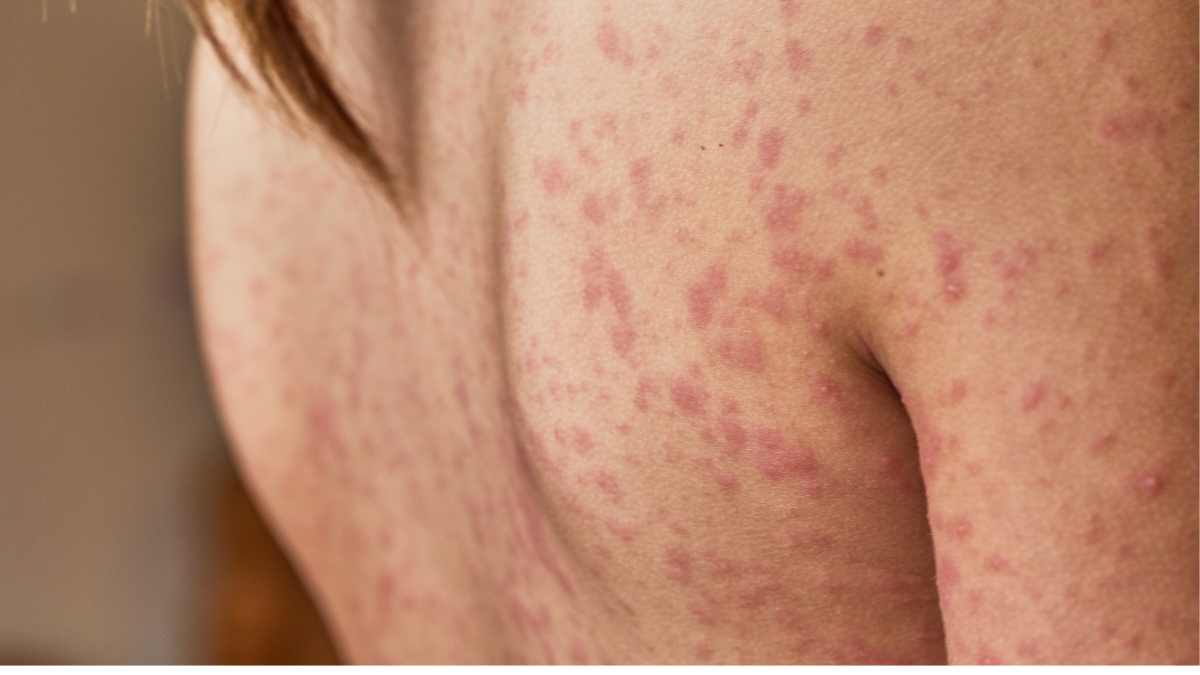
Skin rashes are a common dermatological issue that can arise from various causes, ranging from allergies to infections. Understanding how long these rashes take to resolve is crucial for managing symptoms and seeking appropriate treatment. This article delves into the types and causes of skin rashes, their typical duration, factors that influence healing time, treatment options, when to seek medical help, and preventive measures to avoid recurrence.
Understanding Skin Rashes: Types and Causes Explained
Skin rashes can manifest in numerous forms, including redness, bumps, blisters, and scaling. Eczema, for instance, is characterized by dry, itchy patches, often exacerbated by environmental factors. Psoriasis, on the other hand, presents as thick, red patches covered with silvery scales and is linked to an overactive immune response. Contact dermatitis arises when the skin reacts to allergens or irritants, leading to localized inflammation.
Infectious rashes can be caused by bacteria, viruses, or fungi. Impetigo, a bacterial infection, leads to crusty sores, while herpes simplex can cause painful blisters. Fungal infections, such as ringworm, present as circular, itchy patches on the skin. Additionally, rashes can be a symptom of systemic conditions like lupus or shingles, which require a different approach to treatment.
Environmental factors, such as temperature, humidity, and exposure to irritants, also play a significant role in the development of skin rashes. For example, hot and humid conditions can exacerbate conditions like heat rash, while cold, dry weather can worsen eczema. Understanding the underlying causes of a rash is essential for effective management and treatment.
Finally, lifestyle factors such as stress, diet, and personal hygiene can contribute to the onset and persistence of skin rashes. Identifying and addressing these triggers can significantly improve skin health and reduce the frequency of rashes.
Typical Duration of Common Skin Rashes and Conditions
The duration of skin rashes varies widely depending on the type and underlying cause. Eczema can be chronic, with flare-ups lasting from several days to weeks, while contact dermatitis typically resolves within a few days to weeks once the irritant is removed. In contrast, psoriasis is a long-term condition that may require ongoing treatment to manage symptoms effectively.
Infectious rashes can also differ in duration. For instance, impetigo usually clears up within 7 to 10 days with appropriate antibiotic treatment, while herpes simplex outbreaks can last 1 to 3 weeks without treatment. Fungal infections, like ringworm, may take 2 to 4 weeks to resolve with antifungal therapy, depending on the severity of the infection.
Heat rash, often seen in hot and humid conditions, may last only a few hours to days as the skin cools and the sweat glands recover. However, persistent rashes that do not improve within a week should be evaluated by a healthcare professional for possible underlying causes.
Understanding the typical duration of various skin rashes helps individuals set realistic expectations for recovery and seek timely treatment when necessary.
Factors Influencing the Healing Time of Skin Rashes
Several factors can influence how quickly a skin rash resolves. Age plays a significant role; younger individuals often heal faster than older adults due to better skin regeneration capabilities. Additionally, the overall health of the individual, including the presence of chronic conditions like diabetes or autoimmune diseases, can affect healing time.
Skin type and sensitivity also contribute to the duration of rashes. Sensitive skin may react more severely to irritants, leading to prolonged inflammation. Moreover, the location of the rash is crucial; areas with thinner skin, such as the face, may heal more quickly than thicker-skinned regions like the palms and soles.
The timeliness of treatment is another critical factor. Early intervention with appropriate therapies can significantly reduce the duration of a rash. Conversely, neglecting treatment or using inappropriate remedies may exacerbate the condition and prolong healing time.
Finally, environmental factors such as humidity, temperature, and exposure to allergens can either hasten or hinder recovery. For example, maintaining a cool, dry environment can facilitate healing for conditions like heat rash.
Treatment Options: Accelerating Recovery from Skin Rashes
Effective treatment for skin rashes depends on the underlying cause. For allergic reactions and contact dermatitis, topical corticosteroids are commonly prescribed to reduce inflammation and itching. In cases of eczema, moisturizers and anti-inflammatory creams can help manage symptoms and prevent flare-ups.
For infectious rashes, appropriate antimicrobial treatments are essential. Antibiotics are prescribed for bacterial infections like impetigo, while antifungal medications are necessary for fungal infections. Antiviral treatments may be indicated for viral rashes, such as those caused by herpes simplex.
In addition to pharmacological treatments, home remedies can provide relief. Cool compresses, oatmeal baths, and aloe vera gel can soothe irritated skin and promote healing. However, it is crucial to consult a healthcare professional before trying new treatments to ensure they are safe and appropriate for the specific condition.
Lastly, lifestyle modifications, such as avoiding known irritants, managing stress, and maintaining a healthy diet, can support skin health and reduce the likelihood of future rashes.
When to Seek Medical Attention for Persistent Rashes
While many skin rashes resolve on their own or with over-the-counter treatments, certain situations warrant medical attention. If a rash persists for more than a week without improvement, it is advisable to consult a healthcare professional. Persistent rashes may indicate an underlying condition that requires specialized treatment.
Additionally, if a rash is accompanied by severe symptoms such as fever, difficulty breathing, or significant swelling, immediate medical attention is necessary. These symptoms may indicate a more serious allergic reaction or infection that requires urgent care.
Rashes that exhibit signs of infection, such as increased redness, warmth, pus, or a foul odor, should also be evaluated by a healthcare provider. Early intervention can prevent complications and promote faster healing.
Finally, if a rash is causing significant discomfort or affecting daily activities, seeking professional advice can provide relief and improve quality of life.
Preventive Measures to Avoid Recurrence of Skin Rashes
Preventing skin rashes often involves identifying and avoiding triggers. For individuals with known allergies, it is crucial to avoid allergens and irritants. This may include using hypoallergenic products, wearing protective clothing, and maintaining a clean environment to reduce exposure to dust and pollutants.
Moisturizing regularly is another effective preventive measure, especially for individuals prone to eczema or dry skin. Using fragrance-free moisturizers can help maintain skin hydration and barrier function, reducing the likelihood of rashes.
Practicing good hygiene is essential in preventing infectious rashes. Regular handwashing, avoiding sharing personal items, and keeping wounds clean and covered can significantly reduce the risk of infections like impetigo or fungal rashes.
Lastly, managing stress through relaxation techniques, exercise, and adequate sleep can improve overall skin health. Stress can exacerbate skin conditions, so finding effective coping mechanisms is vital for prevention.
Conclusions:
Understanding the duration and treatment of skin rashes is essential for effective management. By identifying the type of rash and its underlying cause, individuals can take appropriate measures to promote healing and prevent recurrence. Seeking medical attention for persistent or severe rashes ensures timely intervention and optimal care.
Read more
- American Academy of Dermatology – Skin Rashes – Comprehensive resource on various skin rashes, their causes, and treatments.
- Mayo Clinic – Eczema – Detailed information on eczema, including symptoms, causes, and treatment options.
- WebMD – Skin Rashes – Overview of common skin rashes, their symptoms, and when to seek medical help.
- Cleveland Clinic – Psoriasis – In-depth look at psoriasis, its causes, symptoms, and treatment strategies.
- Healthline – Contact Dermatitis – Information on contact dermatitis, including causes, symptoms, and preventive measures.