
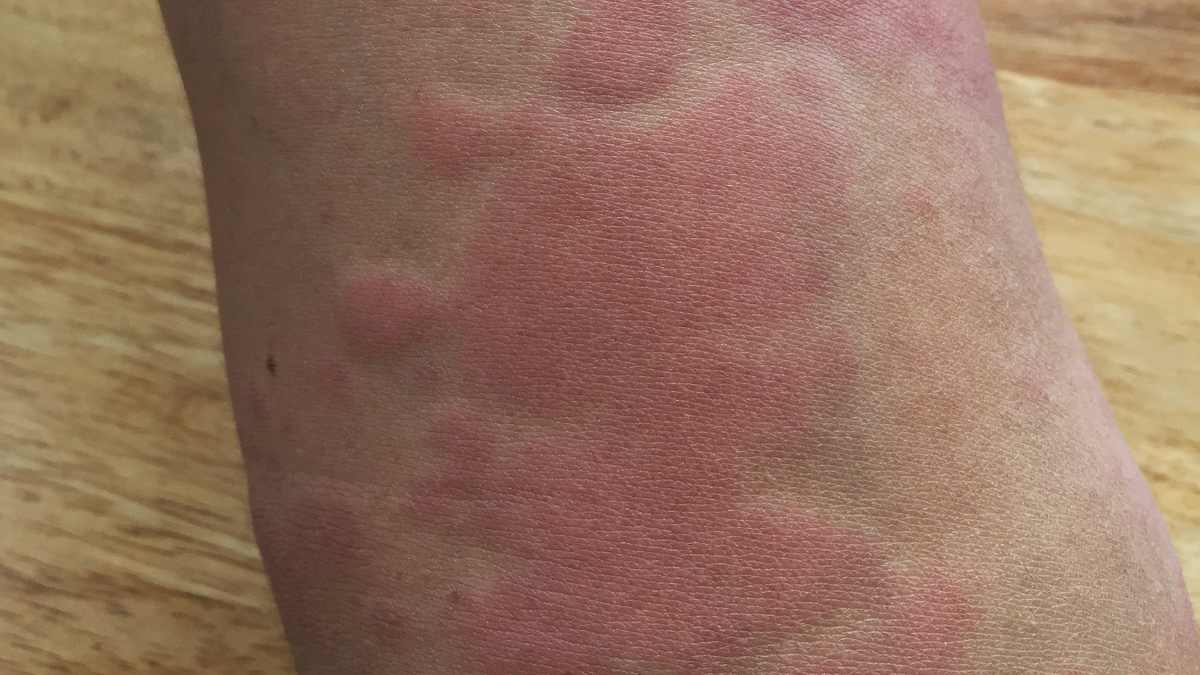

Introduction:
Skin rashes are common dermatological conditions that can arise from various factors, including allergies, infections, and underlying health issues. Understanding the duration of these rashes is essential for effective management and treatment. This article aims to provide a comprehensive overview of skin rashes, their types, expected lifespans, and factors influencing their duration. Additionally, we will discuss when to seek medical attention and prevention strategies to minimize the duration of skin rashes.
Understanding Skin Rashes: Types and Causes Explained
Skin rashes can manifest in numerous forms, ranging from mild irritation to severe inflammation. Common types of skin rashes include eczema, psoriasis, contact dermatitis, and hives. Each type has distinct characteristics, such as redness, swelling, and itching, which can vary significantly in severity. Understanding these differences is crucial for accurate diagnosis and treatment.
The causes of skin rashes are diverse and can be categorized into external and internal factors. External factors often include allergens, irritants, and infections, while internal factors may involve autoimmune conditions or systemic diseases. For instance, contact dermatitis arises from direct exposure to an irritant or allergen, while psoriasis is linked to an overactive immune response.
Moreover, skin rashes can be triggered by environmental factors such as temperature changes, humidity, and exposure to certain chemicals. Seasonal allergies can also contribute to the development of rashes, particularly during pollen seasons. Understanding these triggers can help individuals avoid potential flare-ups.
Lastly, it is essential to recognize that skin rashes can also be symptomatic of more serious health conditions. Conditions such as lupus or hepatitis can present with rashes as a primary symptom, necessitating a thorough evaluation by a healthcare professional. Awareness of the various types and causes of skin rashes sets the stage for understanding their duration and management.
Duration of Skin Rashes: General Timeline Overview
The duration of skin rashes can vary widely based on their type and underlying cause. In general, most skin rashes last anywhere from a few days to several weeks. Acute rashes, such as those caused by allergic reactions or irritants, often resolve within a short period, typically within 1 to 3 weeks, provided that the irritant is removed or treated.
Chronic skin rashes, such as eczema or psoriasis, can persist for months or even years, with periods of flare-ups and remission. These conditions require ongoing management to control symptoms and prevent exacerbations. Understanding the expected timeline for different types of rashes can help individuals set realistic expectations for recovery.
In some cases, rashes may resolve quickly but can recur if the underlying cause is not addressed. For instance, if a rash is caused by a specific allergen, continued exposure can lead to repeated episodes. Therefore, identifying and avoiding triggers is crucial for long-term management.
It is important to note that while many rashes may resolve on their own, some may require medical intervention. Persistent rashes that do not improve with over-the-counter treatments should be evaluated by a healthcare provider to determine the appropriate course of action.
Factors Influencing Rash Duration: An In-Depth Analysis
Several factors can influence the duration of skin rashes, including the individual’s overall health, skin type, and age. For instance, individuals with compromised immune systems may experience longer-lasting rashes due to their body’s reduced ability to heal. Similarly, older adults may have thinner skin, which can affect the healing process.
The type of rash also plays a significant role in determining its duration. Infectious rashes, such as those caused by viruses or bacteria, may resolve as the infection is treated. Conversely, autoimmune-related rashes may require ongoing management and can be more challenging to treat, leading to prolonged durations.
Treatment methods can also impact how long a rash lasts. Topical treatments, such as corticosteroids or antihistamines, can expedite healing, while neglecting treatment may prolong the duration. Therefore, prompt and appropriate intervention is essential for effective management.
Lastly, lifestyle factors such as stress, diet, and hydration can influence skin health and, consequently, the duration of rashes. Stress can exacerbate conditions like eczema and psoriasis, leading to longer-lasting flare-ups. Maintaining a healthy lifestyle can play a significant role in reducing the frequency and duration of skin rashes.
Common Skin Rashes and Their Expected Lifespans
Understanding the expected lifespan of common skin rashes can help individuals manage their symptoms effectively. Eczema, for instance, is a chronic condition characterized by dry, itchy skin. While flare-ups can occur frequently, the duration of each episode can vary from a few days to several weeks, depending on treatment and trigger avoidance.
Psoriasis is another common skin condition that can last for extended periods. Flare-ups may persist for weeks to months, with periods of remission in between. Effective management strategies, including topical treatments and lifestyle modifications, can help control the duration and severity of psoriasis.
Contact dermatitis, caused by exposure to irritants or allergens, typically resolves within 1 to 3 weeks once the offending agent is removed. However, repeated exposure can lead to chronic dermatitis, which may require ongoing treatment. Identifying and avoiding triggers is essential for preventing recurrence.
Hives, or urticaria, are often short-lived and can resolve within hours to a few days. However, chronic hives can persist for six weeks or longer, necessitating further evaluation and treatment. Understanding the expected duration of these common rashes can help individuals seek appropriate care and avoid unnecessary worry.
When to Seek Medical Attention for Persistent Rashes
While many skin rashes are benign and resolve on their own, certain situations warrant medical attention. If a rash persists for more than two weeks without improvement, it is advisable to consult a healthcare provider. This is particularly important if the rash is accompanied by other symptoms such as fever, swelling, or pain.
Individuals should also seek medical attention if they experience significant discomfort or if the rash spreads rapidly. Rashes that are associated with difficulty breathing, swelling of the face or throat, or other severe allergic reactions require immediate medical intervention, as they may indicate a life-threatening condition.
In some cases, rashes may signal underlying health issues that need to be addressed. For example, rashes associated with systemic symptoms, such as joint pain or fatigue, may require further evaluation to rule out autoimmune diseases or infections. Early diagnosis and treatment can lead to better outcomes.
Finally, individuals with a history of skin conditions or those who are immunocompromised should be vigilant about any changes in their skin. Regular check-ups with a dermatologist can help manage chronic conditions and prevent complications associated with persistent rashes.
Prevention Strategies to Minimize Skin Rash Duration
Preventing skin rashes is often more effective than treating them after they occur. Identifying and avoiding known triggers is crucial for individuals prone to rashes. This may involve avoiding certain foods, chemicals, or environmental factors that have previously caused reactions.
Maintaining good skin hygiene is another essential strategy. Regularly moisturizing the skin can help prevent dryness and irritation, which are common precursors to rashes. Using gentle, fragrance-free products can also minimize the risk of skin irritation.
Stress management techniques can play a significant role in preventing flare-ups of chronic skin conditions. Practices such as mindfulness, yoga, and regular exercise can help reduce stress levels, which may, in turn, decrease the likelihood of rash occurrences.
Lastly, staying informed about seasonal allergies and environmental changes can help individuals prepare for potential flare-ups. For instance, using air purifiers during high pollen seasons or wearing protective clothing when exposed to irritants can significantly reduce the risk of developing rashes.
Conclusions:
Skin rashes can vary widely in duration and severity, influenced by numerous factors including type, underlying causes, and individual health. Understanding the expected lifespan of different rashes, when to seek medical attention, and effective prevention strategies can empower individuals to manage their skin health proactively. By taking a comprehensive approach to skin care, individuals can minimize the duration and impact of skin rashes on their lives.
Read more
- Mayo Clinic – Skin Rash – A reliable source that provides detailed information about various skin rashes, their causes, and treatment options.
- American Academy of Dermatology – Skin Rashes – A comprehensive guide on skin rashes, including types, symptoms, and when to seek medical help.
- Cleveland Clinic – Skin Rashes: Causes and Treatments – Offers insights into the causes of skin rashes and effective treatment strategies.
- WebMD – Skin Rash – A user-friendly resource that explains different types of rashes and their expected durations.
- National Eczema Association – Eczema Basics – Provides in-depth information about eczema, including its duration, triggers, and management strategies.