

Introduction:
Viral rashes are a common manifestation of viral infections, often presenting as skin eruptions that can vary in appearance and duration. Understanding how long these rashes last is crucial for managing symptoms and determining when medical intervention may be necessary. The duration of a viral rash can depend on numerous factors, including the type of virus, the individual’s immune response, and age. This article will delve into the various aspects that influence the duration of viral rashes, providing a comprehensive overview for both patients and healthcare providers.
Understanding Viral Rashes: An Overview of Duration Factors
Viral rashes are typically caused by a range of viruses, including but not limited to, the measles virus, rubella, and various strains of the herpes virus. The duration of these rashes can vary significantly based on several factors. One primary factor is the specific virus involved; different viruses have unique life cycles and modes of interaction with the host’s immune system, which can influence how long the rash persists. For instance, rashes associated with measles generally last longer than those linked to the common cold virus.
Another important consideration is the individual’s immune response. A robust immune system may clear the virus more quickly, resulting in a shorter rash duration. Conversely, individuals with compromised immune systems, such as those with HIV/AIDS or undergoing chemotherapy, may experience prolonged rash symptoms. Age also plays a role; younger children often exhibit more pronounced rashes due to their developing immune systems, while adults may have a more subdued response.
Environmental factors can also contribute to the duration of viral rashes. For example, exposure to irritants or allergens can exacerbate the rash and prolong its visibility. Additionally, underlying skin conditions, such as eczema or psoriasis, can complicate the presentation of viral rashes, leading to extended durations. Understanding these factors is essential for predicting the course of a viral rash and informing treatment strategies.
Lastly, the timing of medical intervention can affect the duration of a rash. Early diagnosis and treatment can sometimes shorten the duration of symptoms. For instance, antiviral medications may be effective in reducing the severity and duration of rashes caused by specific viruses, such as herpes simplex. Therefore, recognizing the signs of a viral rash and seeking appropriate care is crucial for effective management.
Common Types of Viral Rashes and Their Duration Patterns
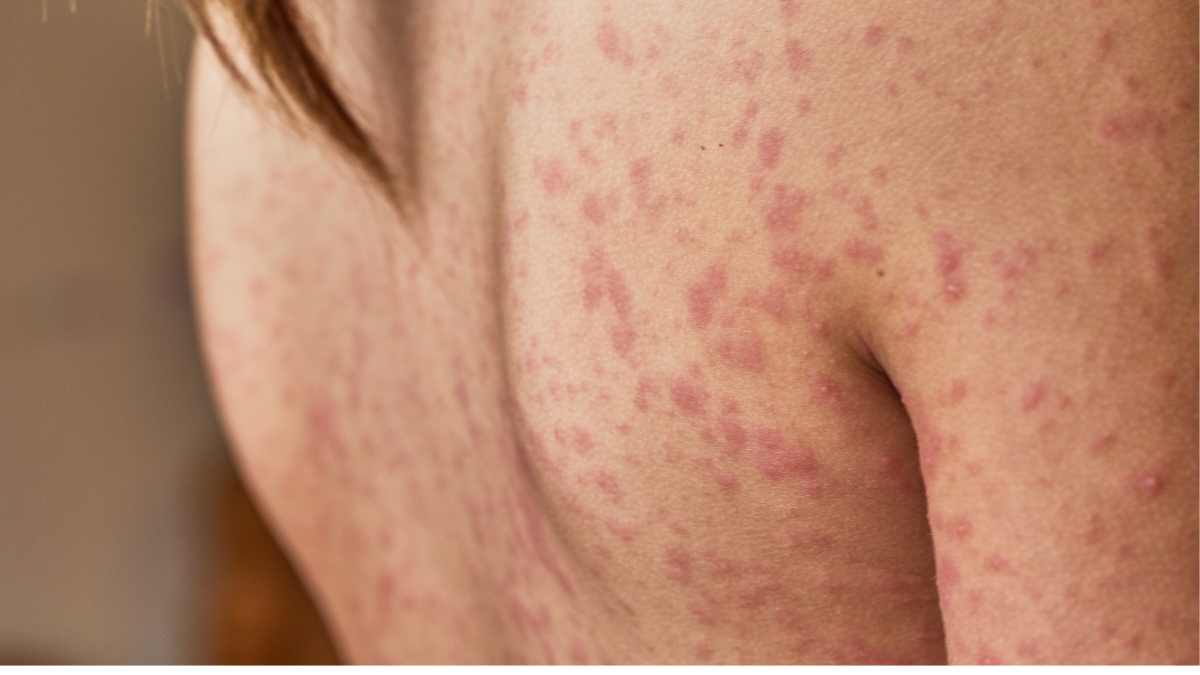
Several common viral infections are known to cause rashes, each with distinct characteristics and duration patterns. Measles, for example, typically presents with a red, blotchy rash that begins on the face and spreads to the rest of the body. This rash usually lasts about 5 to 7 days, often fading as the infection resolves. In contrast, rubella presents with a pink rash that lasts approximately 3 days, making it a shorter-lived viral rash.
Another common viral rash is associated with varicella-zoster virus, which causes chickenpox. The rash from chickenpox starts as small red spots that develop into fluid-filled blisters, eventually crusting over. This rash can last from 5 to 7 days, but the individual may continue to feel unwell for a longer period. Roseola, primarily affecting infants and toddlers, is characterized by a sudden high fever followed by a pinkish rash that lasts about 1 to 2 days, indicating a rapid resolution.
Hand, foot, and mouth disease, caused by the coxsackievirus, presents with sores in the mouth and a rash on the hands and feet. The rash can last from 3 to 7 days, often accompanied by other symptoms such as fever and sore throat. Each of these viral rashes follows a general pattern, but individual experiences may vary.
Understanding the duration patterns of these common viral rashes is essential for parents and caregivers. Recognizing the typical timelines can help in managing expectations and determining when to seek medical advice. Additionally, awareness of the specific characteristics of each rash can aid in distinguishing viral rashes from other skin conditions.
Mechanisms of Viral Infection and Rash Development Explained
The development of a viral rash is primarily a result of the body’s immune response to the viral infection. When a virus enters the body, it begins to replicate, often targeting specific cells and tissues. As the virus spreads, the immune system activates, sending white blood cells and antibodies to the site of infection. This immune response can lead to inflammation, which manifests as a rash.
The type of immune response elicited can vary based on the virus. For example, some viruses provoke a strong inflammatory response, leading to more pronounced rashes. In contrast, other viruses may induce a milder immune reaction, resulting in less noticeable skin changes. The interplay between the virus and the host’s immune system is complex, and the outcome can significantly influence the duration and severity of the rash.
Additionally, the viral load, or the amount of virus present in the body, can affect rash development. Higher viral loads may lead to more severe symptoms, including longer-lasting rashes. The timing of the immune response is also crucial; if the immune system responds quickly and effectively, the rash may resolve sooner. Conversely, a delayed response can prolong the duration of symptoms.
Genetic factors may also play a role in how individuals respond to viral infections. Certain genetic predispositions can influence the effectiveness of the immune response, impacting both the severity and duration of viral rashes. Understanding these mechanisms can provide insights into why some individuals experience prolonged rashes while others recover more quickly.
Typical Duration of Viral Rashes in Different Age Groups
The duration of viral rashes can vary significantly across different age groups, largely due to differences in immune system maturity. Infants and young children often experience longer-lasting rashes because their immune systems are still developing. For instance, rashes associated with roseola or measles in young children may persist longer than in adults, who typically have more robust immune responses.
In adolescents and young adults, the duration of viral rashes can be influenced by lifestyle factors such as stress and overall health. For example, young adults may experience prolonged rashes due to factors like lack of sleep or poor nutrition, which can weaken the immune system. However, they may also benefit from a more developed immune response, potentially leading to faster recovery from certain viral infections.
Older adults, particularly those with comorbidities, may experience prolonged rashes due to a decline in immune function. Age-related changes in the immune system can lead to a slower response to viral infections, resulting in longer-lasting symptoms. Additionally, chronic skin conditions prevalent in older adults may complicate the presentation of viral rashes, further extending their duration.
Understanding these age-related differences is essential for healthcare providers when diagnosing and managing viral rashes. Tailoring treatment approaches based on age and immune status can help optimize recovery and minimize discomfort. Parents and caregivers should be aware of these variations to better manage expectations and seek timely medical advice when necessary.
Factors Influencing the Length of Viral Rash Symptoms
Several factors can influence the duration of viral rash symptoms, ranging from individual health conditions to environmental influences. Underlying health issues, such as autoimmune disorders or chronic illnesses, can lead to prolonged rash durations. Individuals with compromised immune systems may struggle to clear the virus efficiently, resulting in extended symptoms.
Medications can also play a role in the duration of viral rashes. Certain drugs, particularly immunosuppressants, can hinder the body’s ability to mount an effective immune response, prolonging the rash. Conversely, antiviral medications may shorten the duration of symptoms for specific viral infections, highlighting the importance of timely medical intervention.
Environmental factors, such as exposure to allergens or irritants, can exacerbate viral rashes and extend their duration. For instance, if a person develops a viral rash and is subsequently exposed to a known allergen, the rash may worsen and last longer than it would have otherwise. Additionally, skin care practices, including the use of moisturizers or topical treatments, can influence the healing process.
Finally, psychological factors such as stress and anxiety can impact the immune system, potentially prolonging the duration of viral rashes. Stress can lead to an increase in inflammatory markers, which may exacerbate symptoms and extend recovery time. Recognizing these factors can help individuals and healthcare providers implement strategies to manage and mitigate the duration of viral rashes effectively.
When to Seek Medical Attention for Prolonged Rashes
While many viral rashes are self-limiting and resolve on their own, there are specific instances when medical attention is warranted. If a rash persists beyond the typical duration associated with the known viral infection, it is essential to consult a healthcare provider. Prolonged rashes may indicate complications or secondary infections that require treatment.
Additionally, if the rash is accompanied by other concerning symptoms, such as high fever, difficulty breathing, or severe pain, immediate medical attention is necessary. These symptoms may signal a more serious underlying condition that requires prompt intervention. Rashes that are widespread, blistering, or show signs of infection, such as pus or increased redness, should also be evaluated by a healthcare professional.
In some cases, individuals may experience recurrent viral rashes, which can be indicative of an underlying issue with the immune system. If recurrent rashes occur, a thorough evaluation may be necessary to identify any potential immunological disorders. Healthcare providers can conduct tests to assess immune function and determine appropriate treatment options.
Finally, it is crucial to monitor the rash for any changes in appearance or associated symptoms. If the rash evolves or new symptoms develop, seeking medical advice is prudent. Early intervention can lead to better outcomes and prevent complications, ensuring that individuals receive the appropriate care for their condition.
Conclusions:
Understanding the duration of viral rashes is essential for effective management and treatment. Various factors influence how long these rashes last, including the type of virus, the individual’s immune response, age, and environmental influences. Recognizing the signs of viral rashes and knowing when to seek medical attention can help ensure timely and appropriate care. By being informed, patients and caregivers can better navigate the complexities of viral infections and their associated symptoms.
Read more
- Mayo Clinic – Viral Rashes: A comprehensive overview of viral rashes, their symptoms, and treatment options.
- CDC – Measles (Rubeola): Information on measles, including rash duration and associated complications.
- American Academy of Pediatrics – Viral Exanthems: A detailed guide on viral exanthems in children, including duration and management.
- WebMD – Understanding Viral Rashes: An informative article discussing the causes and duration of viral rashes.
- Healthline – Common Viral Rashes: A resource outlining common viral rashes, their symptoms, and expected duration.