
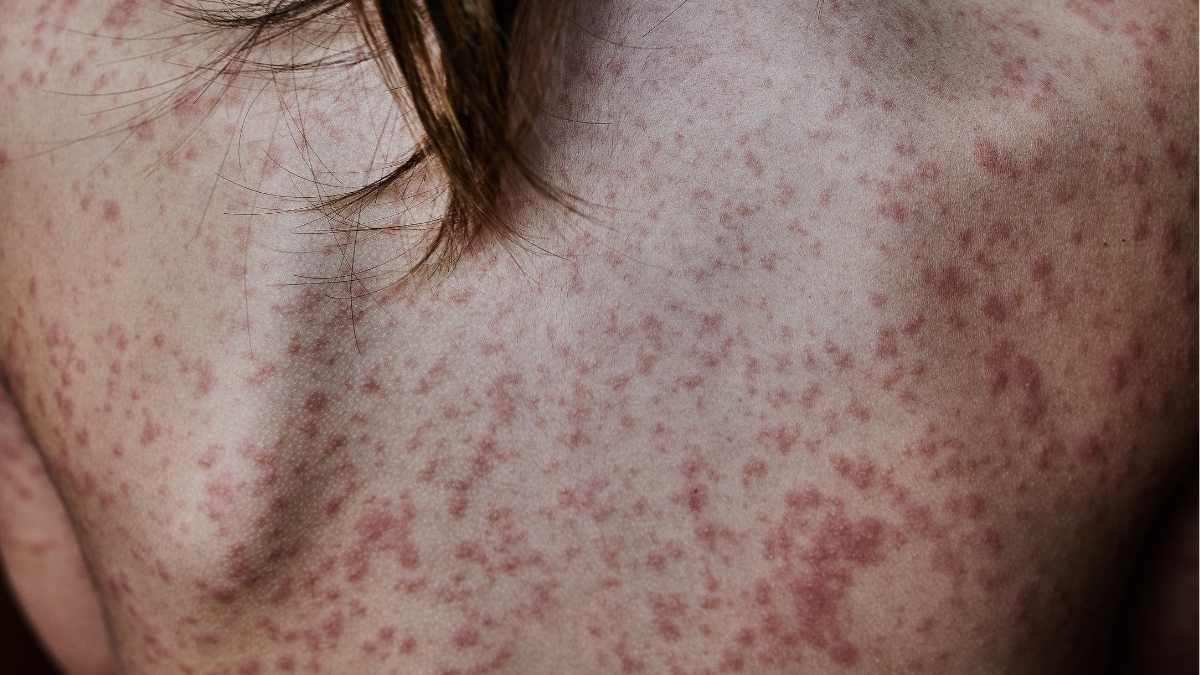

Introduction:
Heat rash, also known as prickly heat or miliaria, is a common skin condition that occurs when sweat gets trapped in the skin’s pores. This condition is particularly prevalent in hot, humid weather and can affect individuals of all ages. Understanding the causes, symptoms, and duration of heat rash is crucial for effective management and prevention. This article will delve into the nature of heat rash, how long it typically lasts, factors that influence its duration, treatment options, when to seek medical attention, and preventive measures to avoid future episodes.
Understanding Heat Rash: Causes and Symptoms Explained
Heat rash occurs when sweat glands become blocked, leading to inflammation and irritation of the skin. This blockage can happen due to excessive sweating, tight clothing, or prolonged exposure to heat. The condition is most common in infants, but adults can also experience it, especially during hot weather or intense physical activity. Symptoms typically include small, red bumps or blisters that may appear on areas of the body prone to sweating, such as the neck, back, and underarms.
The severity of heat rash can vary. In mild cases, it may cause slight discomfort and itching, while more severe cases can lead to painful inflammation. The rash can also become infected if bacteria enter through the broken skin. It is essential to recognize the symptoms early to prevent complications and alleviate discomfort.
Heat rash is often confused with other skin conditions, such as eczema or hives. However, its distinct characteristics—like the presence of small, red bumps and its association with heat exposure—help differentiate it. Understanding these symptoms can aid in prompt identification and treatment, ensuring that individuals can return to their normal activities as quickly as possible.
In summary, heat rash is a skin condition that arises from blocked sweat glands, leading to irritation and discomfort. Recognizing the symptoms early can facilitate effective management and prevent further complications.
Duration of Heat Rash: Typical Timeline for Recovery
The duration of heat rash can vary significantly depending on several factors, including the severity of the rash and the individual’s overall health. In most cases, heat rash resolves on its own within a few days to a week. If the rash is mild and appropriate measures are taken to cool the skin and reduce sweating, recovery can be expedited.
In some instances, heat rash may persist longer, especially if the individual continues to be exposed to heat or does not take steps to alleviate the condition. In such cases, the rash can last for several weeks. However, with proper care and treatment, most individuals can expect significant improvement within a short timeframe.
It is important to note that while heat rash is generally not serious, it can lead to complications if left untreated. Infections can develop if the skin becomes broken or irritated, potentially prolonging the duration of symptoms. Therefore, monitoring the rash and taking appropriate action is crucial for a swift recovery.
Overall, the typical timeline for heat rash recovery is relatively short, but individual experiences may vary based on the severity of the condition and adherence to treatment recommendations.
Factors Influencing the Duration of Heat Rash Symptoms
Several factors can influence how long heat rash lasts. One of the most significant factors is the individual’s environment. High humidity and temperatures can exacerbate sweating and prolong the rash’s duration. Conversely, cooler environments can help the rash resolve more quickly.
Another important factor is the individual’s skin type and sensitivity. People with sensitive skin may experience more severe reactions to heat and sweat, potentially extending the duration of the rash. Additionally, underlying skin conditions, such as eczema or psoriasis, can complicate heat rash and lead to longer-lasting symptoms.
Personal habits also play a role in the duration of heat rash. For instance, wearing tight or non-breathable clothing can trap heat and moisture, worsening the rash. On the other hand, wearing loose-fitting, breathable fabrics can help alleviate symptoms and promote quicker healing.
Lastly, the effectiveness of treatment measures can significantly impact recovery time. Prompt and appropriate treatment, such as cooling the skin and using topical medications, can help reduce inflammation and speed up recovery. Understanding these factors can help individuals manage their heat rash more effectively and reduce the duration of symptoms.
Treatment Options: How to Alleviate Heat Rash Quickly
Treating heat rash effectively involves several strategies aimed at cooling the skin and reducing inflammation. The first step is to move to a cooler environment, as this can help alleviate symptoms. Staying indoors with air conditioning or using fans can significantly reduce sweating and irritation.
Topical treatments can also be beneficial. Over-the-counter hydrocortisone creams or calamine lotion can help soothe itching and reduce inflammation. Additionally, applying cool compresses to the affected area can provide immediate relief and help the skin heal more quickly.
Maintaining proper hygiene is crucial for preventing infection and promoting recovery. Gently cleansing the affected area with mild soap and water can help remove sweat and bacteria. After washing, it’s essential to pat the skin dry rather than rubbing it, as this can further irritate the rash.
In more severe cases, oral antihistamines may be recommended to alleviate itching and discomfort. If the rash persists or shows signs of infection, such as increased redness, swelling, or pus, it is important to consult a healthcare professional for further evaluation and treatment. By following these treatment options, individuals can effectively manage their heat rash and promote quicker recovery.
When to Seek Medical Attention for Prolonged Heat Rash
While heat rash is usually a benign condition, there are circumstances when medical attention is warranted. If the rash does not improve within a few days or worsens, it may indicate a more serious issue. Persistent symptoms could suggest an underlying infection or other skin condition that requires professional evaluation.
Individuals should also seek medical attention if they experience severe itching or discomfort that interferes with daily activities. In some cases, heat rash can lead to secondary infections, which may require antibiotics or other treatments. Signs of infection include increased redness, swelling, warmth, and the presence of pus or fluid-filled blisters.
Additionally, if the individual develops fever or chills alongside the rash, it is crucial to seek medical care. These symptoms may indicate a systemic infection that requires prompt treatment. Consulting a healthcare professional can provide peace of mind and ensure appropriate care.
In summary, while most cases of heat rash resolve without complications, it is essential to monitor symptoms closely. Seeking medical attention when symptoms persist or worsen can prevent complications and ensure effective treatment.
Preventive Measures: Avoiding Future Heat Rash Episodes
Preventing heat rash involves making lifestyle adjustments to reduce the likelihood of sweating and skin irritation. Wearing loose, breathable clothing is one of the most effective ways to prevent heat rash. Fabrics such as cotton allow for better air circulation and help wick moisture away from the skin.
Staying hydrated is also crucial. Drinking plenty of fluids helps regulate body temperature and reduces the likelihood of excessive sweating. Avoiding strenuous activities during peak heat hours can further minimize the risk of developing heat rash.
Using air conditioning or fans in hot weather can create a more comfortable environment. Taking frequent breaks in cooler areas can help the body cool down and prevent sweat from accumulating on the skin. Additionally, using talcum powder or anti-chafing products can help absorb moisture and reduce friction on the skin.
Lastly, maintaining good hygiene is essential for preventing heat rash. Regularly showering and using mild soaps can help keep the skin clean and free from sweat and bacteria. By implementing these preventive measures, individuals can significantly reduce their risk of experiencing heat rash in the future.
Conclusions:
Heat rash is a common skin condition that can cause discomfort and irritation, particularly in hot and humid conditions. Understanding its causes, symptoms, and duration is essential for effective management. By recognizing the factors that influence recovery and implementing appropriate treatment options, individuals can alleviate symptoms quickly. Moreover, taking preventive measures can help avoid future episodes of heat rash, ensuring a more comfortable experience during warm weather.
Read more
-
Mayo Clinic – Heat rash
This resource provides comprehensive information on the causes, symptoms, and treatment options for heat rash. -
American Academy of Dermatology – Heat rash
The AAD offers valuable insights into the prevention and management of heat rash, along with expert advice. -
Cleveland Clinic – Heat rash overview
This article outlines the symptoms, causes, and treatment strategies for heat rash, along with tips for prevention. -
Healthline – Heat rash: Causes, symptoms, and treatment
Healthline provides an in-depth look at heat rash, including its symptoms, causes, and effective treatment methods. -
WebMD – Heat rash: Symptoms and treatment
This resource covers the symptoms, causes, and treatment options for heat rash, along with advice on when to seek medical attention.