
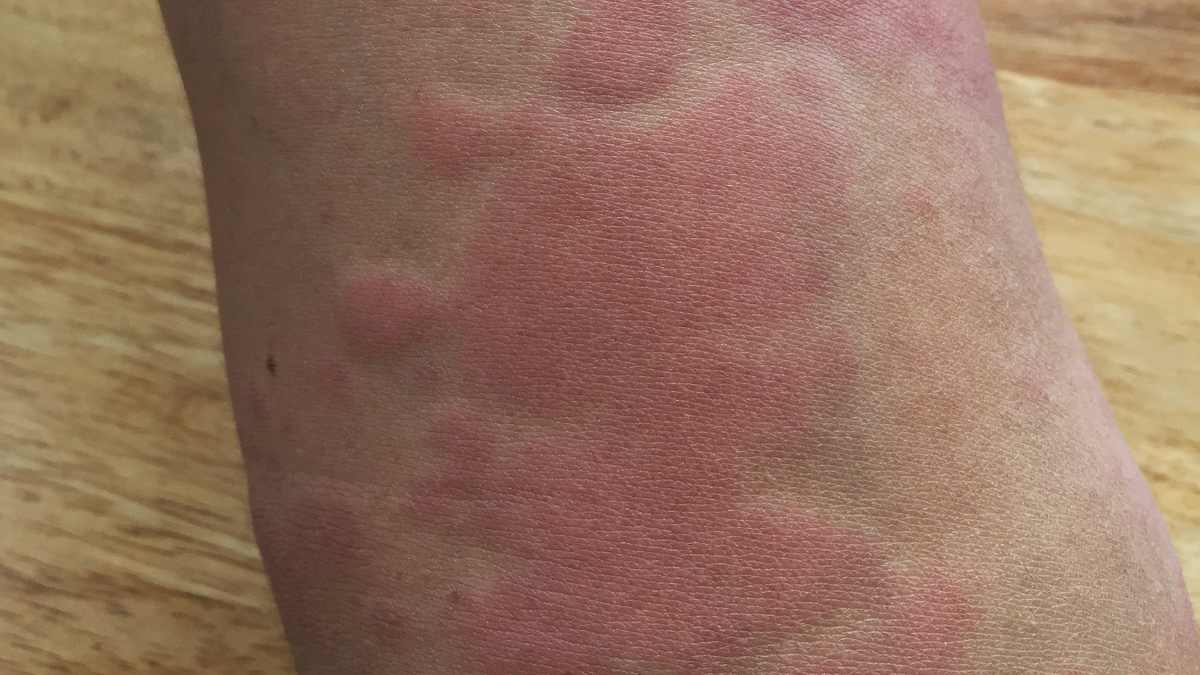

Introduction:
Viral rashes are common manifestations of various viral infections, presenting as skin eruptions that can cause discomfort and concern for those affected. Understanding how long these rashes last is crucial for patients and caregivers alike. The duration of a viral rash can vary significantly based on several factors, including the type of virus, the individual’s immune response, and the overall health of the patient. This article explores the complexities surrounding the duration of viral rashes, common types, immune responses, treatment options, when to seek medical attention, and potential long-term effects.
Understanding Viral Rashes: An Overview of Duration Factors
Viral rashes are typically the result of an immune response to viral infections. The duration of these rashes can depend on several key factors, including the specific virus involved, the individual’s age, and their overall health. For instance, some viruses, like the measles virus, can produce rashes that last longer than those caused by less virulent strains.
Additionally, genetic predisposition and pre-existing skin conditions can influence how long a rash persists. Individuals with compromised immune systems may experience prolonged rashes due to their body’s inability to effectively combat the viral infection. Moreover, the method of transmission and the timing of exposure can also play a role in the rash’s duration.
Environmental factors, such as humidity and temperature, can exacerbate or alleviate the severity and duration of a rash. For instance, hot and humid conditions may lead to increased irritation, while cooler and drier environments may help in the healing process. Understanding these factors is essential for predicting how long a viral rash may last.
Lastly, the stage of the viral infection at which the rash appears can also be a determining factor. Rashes that emerge early in the infection may have a different duration compared to those that appear later, as the immune system’s response evolves over time.
Common Types of Viral Rashes and Their Typical Lifespan
Several common viral infections are associated with specific rashes, each with its own typical duration. For example, measles typically presents with a rash that lasts about 5 to 7 days, often starting at the hairline and spreading downwards. In contrast, the rash associated with chickenpox can last from 5 to 7 days as well but may present in different stages, with new spots appearing over several days.
Another example is the roseola virus, which is characterized by a sudden high fever followed by a rash that usually resolves within 1 to 3 days. Hand, foot, and mouth disease, caused by coxsackievirus, typically results in a rash that lasts about a week, often accompanied by painful sores in the mouth.
Rashes from viral exanthems, such as those caused by rubella or fifth disease (parvovirus B19), can also vary in duration. Rubella rashes usually last about 3 days, while fifth disease rashes can persist for several weeks, often appearing and disappearing in waves. Understanding these typical lifespans helps in managing expectations and planning appropriate care.
The Immune Response: How It Influences Rash Duration
The immune response plays a crucial role in determining the duration of a viral rash. When the body detects a viral infection, it activates the immune system, which can lead to inflammation and the characteristic rash. The strength and efficiency of this immune response can significantly influence how quickly the rash resolves.
In healthy individuals with robust immune systems, rashes often resolve more quickly as the body effectively fights off the virus. However, in those with weakened immune systems, such as the elderly or immunocompromised, the rash may persist longer due to a slower or less effective immune response.
Additionally, the presence of co-infections or secondary infections can complicate the immune response, leading to prolonged rashes. For instance, if a viral rash becomes infected with bacteria, the healing process may be delayed, extending the duration of the rash.
Furthermore, the timing of medical intervention can also impact the duration of a rash. Early treatment may help mitigate symptoms and speed up recovery, while delayed treatment could prolong the rash’s presence on the skin.
Treatment Options: Managing Symptoms and Duration Effectively
While many viral rashes resolve on their own, various treatment options can help manage symptoms and potentially reduce the duration of discomfort. Topical treatments, such as hydrocortisone cream or calamine lotion, can alleviate itching and inflammation associated with rashes. These treatments can provide symptomatic relief, making the experience more bearable for patients.
In some cases, antiviral medications may be prescribed, particularly for more severe viral infections. For example, acyclovir is commonly used to treat herpes virus infections, which can lead to rashes. Early intervention with antiviral therapy can help shorten the duration of the rash and improve overall outcomes.
Hydration and proper skin care are also essential components of managing viral rashes. Keeping the skin moisturized and avoiding irritants can help support the healing process. In addition, over-the-counter antihistamines may provide relief from itching and discomfort, allowing patients to rest more comfortably.
Lastly, it is important to monitor the rash for any signs of complications, such as secondary infections. If a rash worsens or does not improve with home care, seeking medical advice is crucial for appropriate management.
When to Seek Medical Attention for Prolonged Rashes
While many viral rashes are benign and self-limiting, there are specific scenarios where medical attention is warranted. If a rash persists beyond the typical duration associated with the viral infection, it is essential to consult a healthcare provider. Prolonged rashes can indicate complications or secondary infections that may require intervention.
Additionally, if the rash is accompanied by other concerning symptoms, such as high fever, difficulty breathing, or severe pain, immediate medical attention is necessary. These symptoms may indicate a more serious underlying condition that needs prompt evaluation and treatment.
Patients should also seek medical advice if the rash shows signs of infection, such as increased redness, warmth, swelling, or discharge. These signs can indicate that bacteria have entered the skin, necessitating antibiotic treatment.
Finally, individuals with pre-existing health conditions or weakened immune systems should be vigilant and consult healthcare professionals sooner rather than later if they develop a viral rash. Early intervention can help prevent complications and ensure a smoother recovery.
Long-Term Effects: Do Viral Rashes Cause Lasting Issues?
Most viral rashes are self-limiting and do not lead to long-term complications. However, some viral infections can have lasting effects on the skin or overall health. For instance, chickenpox can lead to scarring, especially if the rash is scratched or improperly cared for.
In rare cases, certain viral infections, such as measles, can lead to more severe complications, including encephalitis or subacute sclerosing panencephalitis (SSPE), which can have long-lasting neurological effects. These complications are uncommon but highlight the importance of vaccination and preventive measures.
Moreover, some individuals may experience post-viral fatigue or other lingering symptoms after a viral rash has resolved. This condition can affect daily functioning and quality of life, although it is typically temporary.
In summary, while most viral rashes do not cause lasting issues, it is essential to monitor for any unusual symptoms or complications that may arise. Early intervention can help mitigate potential long-term effects and promote a full recovery.
Conclusions:
Understanding the duration of viral rashes is vital for effective management and care. By recognizing the common types of rashes, the influence of the immune response, treatment options, and when to seek medical attention, patients can navigate their experiences more confidently. While most viral rashes resolve without complications, awareness of potential long-term effects is essential for comprehensive health care.
Read more:
- Mayo Clinic – Viral Rashes – A comprehensive overview of viral rashes, including symptoms and causes.
- WebMD – Understanding Rashes – Detailed information on various types of rashes and their management.
- CDC – Measles, Mumps, and Rubella Vaccination – Information on the importance of vaccination for preventing viral infections that cause rashes.
- American Academy of Dermatology – Skin Rashes – Resources and insights on different skin rashes, including viral causes.
- Healthline – Viral Skin Infections – A guide to various viral skin infections, their symptoms, and treatment options.