

Se hai un abbonamento attivo ACCEDI QUI
Introduction:
Allergy rashes can be a distressing experience for many individuals, often causing discomfort and concern. These skin reactions are typically the body’s response to allergens, which can range from food and pollen to pet dander and certain medications. Understanding the duration and management of allergy rashes is crucial for those affected, as it can significantly impact their quality of life. This article delves into the causes, symptoms, and treatment options for allergy rashes, providing a comprehensive overview for those seeking clarity on this common issue.
Understanding Allergy Rashes: Causes and Symptoms
Allergy rashes are primarily caused by the immune system’s overreaction to a substance that is typically harmless. When the body identifies an allergen, it releases histamines and other chemicals, leading to inflammation and irritation of the skin. Common allergens include certain foods, insect stings, latex, and environmental factors like pollen and dust mites. Understanding the specific triggers is essential for effective management and prevention.
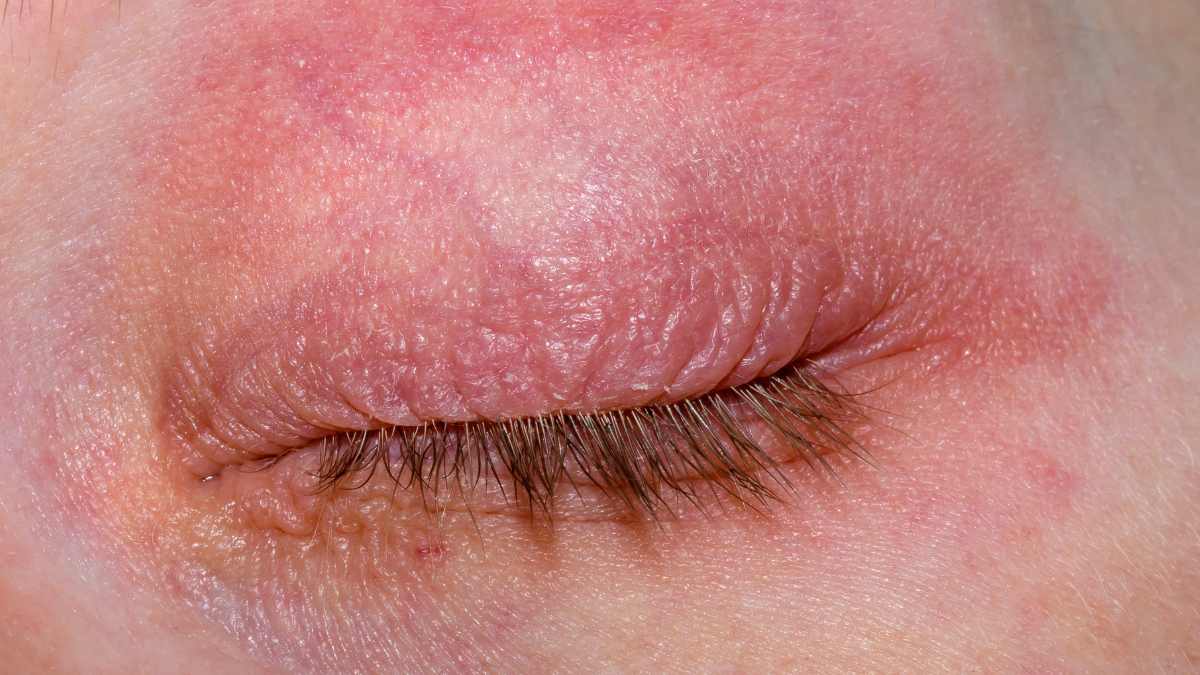
Symptoms of an allergy rash can vary widely depending on the individual and the allergen involved. Common manifestations include redness, swelling, itching, and the formation of hives or welts. In some cases, the rash may also blister or peel, causing additional discomfort. Recognizing these symptoms early can help in taking appropriate measures to alleviate them. It is important to note that allergy rashes can appear suddenly and may spread quickly, depending on the severity of the reaction.
In addition to physical symptoms, allergy rashes can also have psychological effects. The visible nature of skin reactions can lead to embarrassment and anxiety, particularly in social situations. Understanding the emotional impact of allergy rashes is crucial for a holistic approach to treatment. This awareness can foster a supportive environment for those affected, encouraging them to seek help and share their experiences.
Ultimately, identifying the cause of an allergy rash is the first step toward effective treatment. Keeping a detailed record of potential allergens and symptoms can aid healthcare professionals in making an accurate diagnosis. This proactive approach can significantly improve the management of allergy rashes and enhance the quality of life for those affected.
Duration of Allergy Rashes: Factors Influencing Longevity
The duration of an allergy rash can vary significantly based on several factors, including the type of allergen, the individual’s immune response, and the effectiveness of treatment. Generally, acute allergy rashes may last from a few hours to several days, especially if the allergen is removed promptly. In contrast, chronic allergy rashes can persist for weeks or even months if the underlying cause is not addressed.
One of the primary factors influencing the longevity of an allergy rash is the individual’s sensitivity to the allergen. Some people may experience a mild reaction that resolves quickly, while others may have a more severe response that takes longer to heal. Genetic predisposition and overall health can also play a role in how the body reacts to allergens. Individuals with compromised immune systems or existing skin conditions may find that their allergy rashes last longer and are more difficult to manage.
Environmental factors can also affect the duration of an allergy rash. For instance, exposure to irritants such as soaps, detergents, or extreme temperatures can exacerbate the condition, prolonging the healing process. It is essential to minimize exposure to such irritants to facilitate quicker recovery. Additionally, stress can impact the immune system, potentially leading to longer-lasting rashes in susceptible individuals.
Understanding these factors can help individuals manage their expectations regarding the duration of an allergy rash. Being aware of personal triggers and environmental influences can lead to more effective prevention strategies. This understanding empowers individuals to take control of their health and seek timely intervention when necessary.
Typical Timeline: Acute vs. Chronic Allergy Rashes
Acute allergy rashes typically present themselves shortly after exposure to an allergen and can resolve within a few hours to several days. For example, a person who develops hives after eating a specific food may notice the rash fading within 24 to 48 hours once the allergen is eliminated from their system. This rapid resolution is often a sign of a healthy immune response. However, if the rash persists beyond this timeframe, it may indicate a more serious reaction or an underlying condition.
In contrast, chronic allergy rashes can last for weeks or even months. These rashes may be triggered by ongoing exposure to allergens, such as environmental factors or certain materials. For instance, individuals with eczema may experience prolonged rashes due to their skin’s sensitivity to various irritants. Chronic conditions often require a more comprehensive approach to treatment, including lifestyle changes and ongoing management strategies.
The timeline for recovery from an allergy rash can also be influenced by the treatment methods employed. Topical treatments, such as corticosteroids or antihistamines, can significantly reduce inflammation and itching, leading to faster recovery. Conversely, neglecting treatment or continuing exposure to allergens can prolong the rash’s duration, highlighting the importance of timely intervention.
Ultimately, understanding the difference between acute and chronic allergy rashes can help individuals recognize the severity of their condition and seek appropriate care. This knowledge can empower patients to advocate for themselves and work collaboratively with healthcare providers to develop effective treatment plans.
Treatment Options: Managing Allergy Rash Duration
Managing the duration of an allergy rash often involves a combination of avoidance strategies and medical treatments. The first step in treatment is to identify and eliminate exposure to the offending allergen. This may involve dietary changes, avoiding specific environments, or using hypoallergenic products. Once the allergen is removed, the rash may begin to resolve on its own.
Over-the-counter antihistamines can be effective in alleviating symptoms associated with allergy rashes, such as itching and swelling. These medications work by blocking the action of histamine, a chemical released during allergic reactions. For more severe cases, healthcare providers may prescribe corticosteroid creams or oral steroids to reduce inflammation and speed up recovery.
In addition to medication, supportive care measures can help manage the symptoms of an allergy rash. Applying cool compresses, taking oatmeal baths, and using fragrance-free moisturizers can soothe irritated skin. These measures can provide relief and promote healing, making them essential components of a comprehensive treatment plan.
For individuals with chronic allergy rashes, ongoing management may be necessary. This can include regular consultations with allergists or dermatologists to monitor skin health and adjust treatment plans as needed. Education on recognizing early signs of an allergic reaction can also empower individuals to take prompt action, potentially reducing the duration of future rashes.
When to Seek Medical Attention for Allergy Rashes
While many allergy rashes can be managed at home, there are instances when medical attention is necessary. If an allergy rash is accompanied by symptoms such as difficulty breathing, swelling of the face or throat, or rapid heartbeat, it may indicate a severe allergic reaction known as anaphylaxis. In such cases, immediate medical intervention is critical.
If a rash persists for more than a few days despite treatment, it is advisable to consult a healthcare professional. Prolonged rashes may indicate an underlying condition or a more severe allergic reaction that requires specialized care. Additionally, if the rash shows signs of infection, such as increased redness, warmth, or pus, medical evaluation is essential to prevent complications.
Individuals with a history of severe allergies should have an action plan in place, including access to emergency medications such as epinephrine auto-injectors. Being prepared can mean the difference between a mild reaction and a life-threatening situation. Regular follow-up appointments with healthcare providers can also help in managing chronic allergy conditions and preventing future rashes.
Ultimately, understanding when to seek medical attention can empower individuals to take charge of their health. Being proactive in addressing allergy rashes not only aids in recovery but also enhances overall well-being.
Preventive Measures: Reducing Allergy Rash Recurrence
Preventing allergy rashes begins with identifying and avoiding known allergens. Keeping a detailed journal of symptoms and potential triggers can help individuals pinpoint specific substances that cause reactions. This proactive approach can lead to significant lifestyle changes that minimize exposure to allergens.
In addition to avoiding known triggers, implementing environmental controls can further reduce the risk of allergy rashes. For example, using air purifiers, regularly cleaning living spaces, and maintaining low humidity levels can help reduce exposure to airborne allergens. Wearing protective clothing when engaging in activities that may expose individuals to allergens, such as gardening or cleaning, can also be beneficial.
Education plays a crucial role in preventing allergy rashes. Individuals should be informed about the nature of their allergies and the potential for cross-reactivity with other substances. This knowledge can empower them to make informed decisions about their diet, personal care products, and environmental exposures.
Finally, regular consultations with healthcare providers can aid in the development of a comprehensive allergy management plan. This plan may include routine allergy testing, immunotherapy, or other interventions tailored to the individual’s needs. By taking these preventive measures, individuals can significantly reduce the recurrence of allergy rashes and improve their overall quality of life.
Conclusions:
Understanding the duration and management of allergy rashes is essential for those affected. By recognizing the causes, symptoms, and treatment options available, individuals can take proactive steps to alleviate discomfort and prevent future occurrences. Seeking timely medical attention and implementing preventive measures can lead to a better quality of life for those living with allergies.
Read more
- American Academy of Allergy, Asthma & Immunology – A comprehensive resource for information on allergies and their management.
- Mayo Clinic – Allergic Skin Reactions – Detailed information on symptoms, causes, and treatment options for allergic skin reactions.
- National Institute of Allergy and Infectious Diseases – Offers research-based insights into allergies and their effects on health.
- WebMD – Allergies Overview – A reliable source for understanding allergies, including symptoms and treatment options.
- Cleveland Clinic – Skin Allergies – Provides information on skin allergies, their causes, and management strategies.