
Introduction:
Rashes are a common dermatological concern that can arise from a variety of causes, ranging from allergies to infections. Understanding the nature of a rash, its duration, and when to seek medical attention is crucial for effective management and treatment. This article will explore the different types of rashes, their expected duration, and the circumstances under which one should consult a healthcare professional.
Understanding Rashes: Types and Common Causes Explained
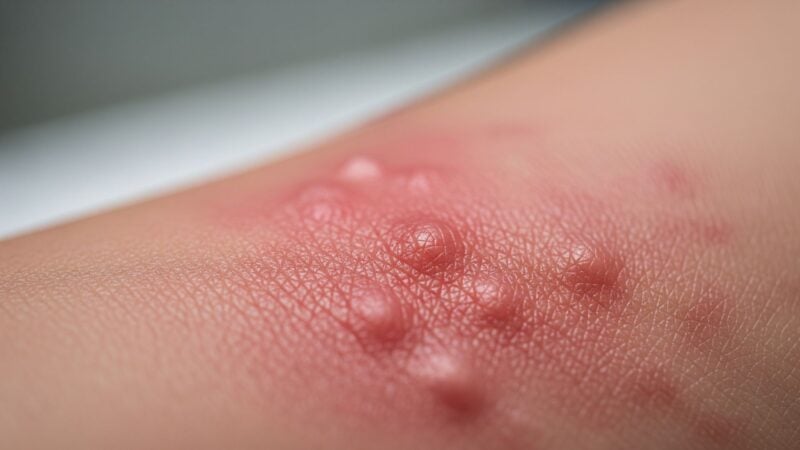
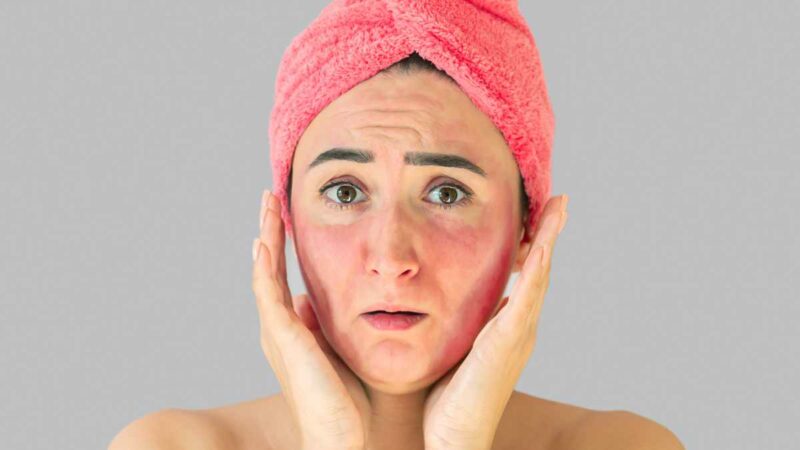
Rashes can manifest in numerous forms, each with distinct characteristics and underlying causes. Eczematous rashes are often characterized by red, itchy patches and can be triggered by allergens, irritants, or stress. Contact dermatitis is another prevalent type, resulting from direct contact with substances like soaps, metals, or plants such as poison ivy. Infectious rashes, on the other hand, can arise from viral, bacterial, or fungal infections, leading to symptoms that may include fever and malaise.
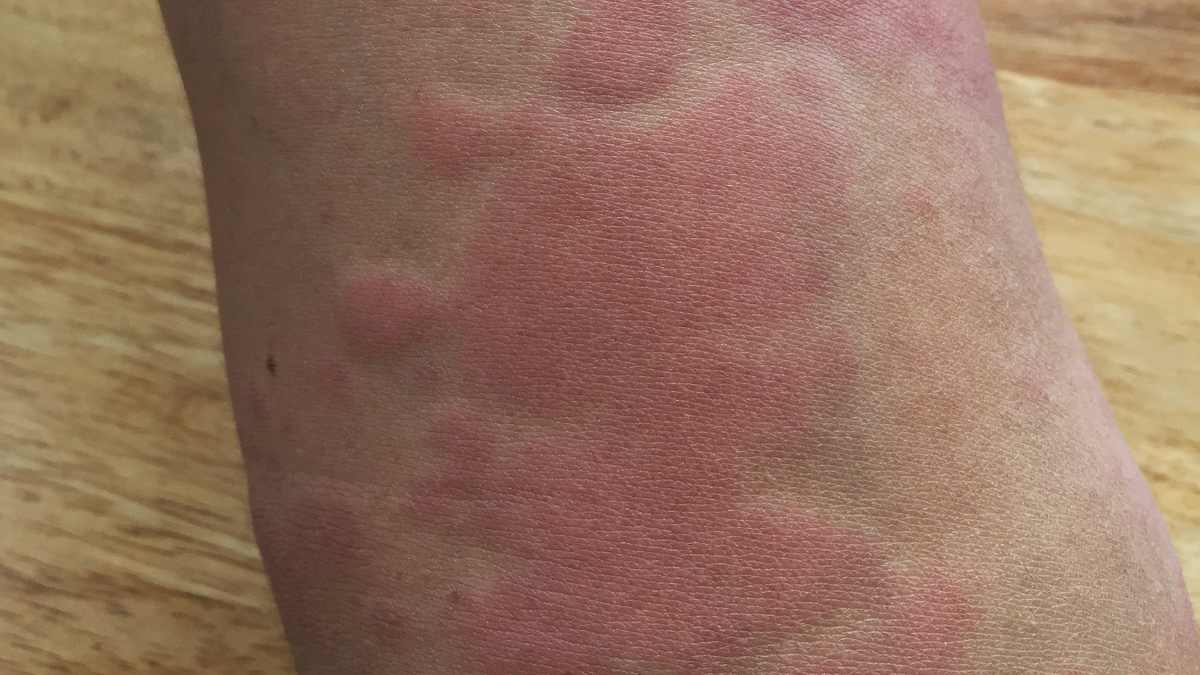
Additionally, urticaria (hives) presents as raised, itchy welts and can be caused by food allergies, medications, or even stress. Psoriasis, a chronic autoimmune condition, leads to thick, scaly patches that can be itchy and painful. Understanding the type of rash is essential for determining its cause and appropriate treatment.
Other common causes of rashes include insect bites, heat, and certain systemic diseases. For instance, conditions like lupus or diabetes can also manifest as skin rashes. Identifying the underlying cause is crucial for effective management, as treatment strategies may vary significantly based on the etiology.
Finally, environmental factors such as climate, humidity, and exposure to irritants can exacerbate existing skin conditions or lead to new rashes. Awareness of these factors can help individuals take preventive measures and seek appropriate care when necessary.
Typical Duration of Rashes: What to Expect Clinically
The duration of a rash can vary widely depending on its type and underlying cause. Acute rashes, such as those caused by allergic reactions or infections, may resolve within a few days to a couple of weeks with appropriate treatment. For example, a rash resulting from contact dermatitis may improve significantly once the irritant is removed.
In contrast, chronic rashes like psoriasis or eczema can persist for months or even years, often requiring ongoing management to control flare-ups. These conditions may have periods of remission and exacerbation, making their duration unpredictable. Patients with chronic rashes should work closely with their healthcare providers to develop a long-term management plan.
Rashes associated with viral infections, such as measles or chickenpox, typically follow a specific timeline, often lasting about one to two weeks. During this time, the rash may evolve in appearance, which can help healthcare professionals determine the underlying cause.
It’s important to note that while many rashes are self-limiting, some may indicate a more serious underlying condition that requires medical intervention. Understanding the expected duration of various rashes can help individuals gauge whether their symptoms warrant a visit to a healthcare provider.
When to Seek Medical Attention for Rash Symptoms
While many rashes can be managed at home, certain symptoms warrant a visit to a healthcare professional. If a rash persists for more than a week without improvement, it is advisable to seek medical attention. Persistent rashes may indicate an underlying condition that requires diagnosis and treatment.
Additionally, if the rash is accompanied by systemic symptoms such as fever, chills, or significant pain, it is crucial to consult a doctor. Systemic symptoms can suggest an infection or an allergic reaction that may require immediate intervention.
Rashes that exhibit signs of infection, such as increased redness, warmth, swelling, or pus, should also be evaluated by a healthcare provider. Infected rashes can lead to complications if not treated promptly.
Lastly, if a rash is causing significant discomfort or affecting daily activities, seeking medical advice can provide relief and improve quality of life. Timely intervention can prevent further complications and facilitate faster recovery.
Warning Signs: Identifying Serious Rash Complications
Certain warning signs can indicate that a rash is more than just a benign skin condition. Rapidly spreading rashes may suggest an acute allergic reaction or infection that requires immediate medical attention. If a rash spreads quickly across the body, it could indicate conditions such as toxic epidermal necrolysis or Stevens-Johnson syndrome, both of which are medical emergencies.
Another serious warning sign is the presence of blisters or open sores on the rash. These can be indicative of a severe infection or a more serious dermatological condition. Blisters that ooze or crust over may require prompt evaluation to prevent complications.
Additionally, rashes that are accompanied by respiratory symptoms, such as difficulty breathing or swelling of the face and throat, may indicate an anaphylactic reaction. Anaphylaxis is a life-threatening condition that requires immediate emergency care.
Finally, if a rash is associated with joint pain, muscle weakness, or other systemic symptoms, it may suggest an autoimmune disorder or other serious underlying condition. Recognizing these warning signs is crucial for timely intervention and effective management.
Diagnostic Approaches for Persistent Rashes in Patients
When patients present with persistent rashes, healthcare providers typically begin with a thorough medical history and physical examination. Understanding the patient’s history, including any recent exposures, medications, or changes in lifestyle, can provide valuable clues to the underlying cause of the rash.
In some cases, allergy testing may be necessary to identify specific allergens responsible for the rash. Skin prick tests or patch testing can help determine if the rash is due to an allergic reaction. Additionally, blood tests may be conducted to rule out systemic conditions or infections.
If the rash is suspected to be infectious, cultures or swabs may be taken to identify the causative organism. This is particularly important for rashes that exhibit signs of infection, such as pus or significant inflammation.
In more complex cases, a skin biopsy may be performed to obtain a sample of the affected skin for laboratory analysis. This can help diagnose conditions such as psoriasis, dermatitis, or even skin cancers. A comprehensive diagnostic approach is essential for effective treatment and management of persistent rashes.
Treatment Options and Management for Rashes in Practice
Treatment for rashes varies widely based on the underlying cause and severity. For mild cases, topical treatments such as corticosteroids or antihistamines may be sufficient to alleviate symptoms. These medications can help reduce inflammation, itching, and redness.
For more severe or chronic rashes, systemic medications may be necessary. This can include oral corticosteroids, immunosuppressants, or biologic therapies for autoimmune conditions like psoriasis. Collaboration with a dermatologist may be beneficial for patients with persistent or complex rashes.
In cases where the rash is caused by an infection, antibiotics or antifungal medications may be prescribed. It’s crucial to complete the full course of treatment to ensure the infection is fully resolved and to prevent recurrence.
In addition to pharmacological treatments, lifestyle modifications can play a significant role in managing rashes. This may include avoiding known triggers, maintaining proper skin care, and managing stress. Education and support are vital components of effective rash management and can empower patients to take an active role in their care.
Conclusions:
Understanding the nature of rashes, their typical duration, and when to seek medical attention is essential for proper management. While many rashes are benign and self-limiting, certain warning signs should prompt a visit to a healthcare professional. By recognizing these signs and understanding the diagnostic and treatment options available, individuals can ensure they receive the appropriate care for their skin conditions.
Read more
- American Academy of Dermatology – A comprehensive resource for skin conditions, including rashes and their management.
- Mayo Clinic – Skin Rash – Detailed information on various types of skin rashes, their causes, and treatment options.
- Cleveland Clinic – Rashes – An overview of rashes, including symptoms and when to seek medical help.
- National Institute of Allergy and Infectious Diseases – Information on allergic reactions and skin conditions related to immune responses.
- DermNet NZ – Skin Rashes – A resource for understanding different types of rashes and their clinical implications.