

Introduction:
Stress rashes, often manifesting as red, itchy patches on the skin, are a common response to emotional or psychological stressors. Understanding the nature of these rashes, their duration, and how to manage them is crucial for individuals who experience them. This article delves into the causes and symptoms of stress rashes, their typical duration, factors influencing their persistence, when to seek medical help, effective treatment options, and preventive measures to reduce recurrence.
Understanding Stress Rashes: Causes and Symptoms Explained
Stress rashes, medically known as stress-induced urticaria, occur when the body reacts to stress by releasing histamines. These chemicals can lead to inflammation and the characteristic symptoms of a rash. Common triggers include anxiety, work pressure, personal issues, or significant life changes. The body’s fight-or-flight response can exacerbate existing skin conditions or provoke new ones, leading to discomfort and distress.
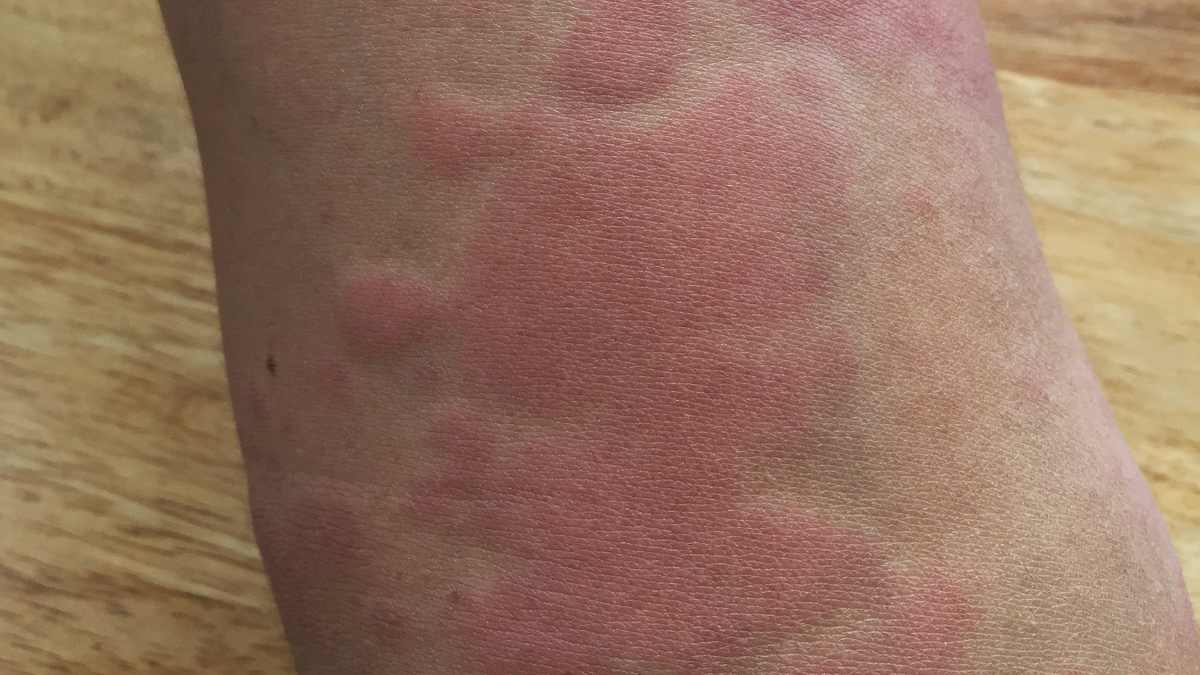
Symptoms of a stress rash can vary widely among individuals. Typically, the rash appears as raised, red welts, which may be accompanied by intense itching. In some cases, the rash can also lead to swelling and a burning sensation. These symptoms can appear suddenly and may fluctuate in intensity, often worsening during periods of heightened stress.
In addition to physical symptoms, stress rashes can also have psychological effects. The visibility of the rash may lead to self-consciousness and anxiety, creating a vicious cycle of stress and skin irritation. Understanding the connection between emotional well-being and skin health is essential for managing stress rashes effectively.
Recognizing the symptoms early can aid in prompt treatment and management. Individuals experiencing unexplained skin changes should consider their stress levels and seek appropriate coping strategies to alleviate both the emotional and physical symptoms.
Typical Duration of Stress Rashes: What to Expect
The duration of a stress rash can vary significantly from person to person. Typically, a stress rash may last from a few hours to several days, depending on the individual’s stress levels and response to treatment. In many cases, the rash may resolve once the stressor is removed or managed effectively.
In acute cases, where stress is a temporary reaction to a specific event, the rash may clear up relatively quickly. However, chronic stress can lead to prolonged rashes, which may persist for weeks or even months if left unaddressed. This highlights the importance of not only treating the rash but also managing the underlying stress.
It is also worth noting that some individuals may experience recurrent episodes of stress rashes. For these individuals, the rashes may appear sporadically, correlating with periods of increased stress. This pattern can be frustrating and may require a more comprehensive approach to both skin and stress management.
Understanding the expected duration of stress rashes can help individuals set realistic expectations for recovery and motivate them to seek appropriate interventions when necessary.
Factors Influencing the Duration of Stress Rashes
Several factors can influence how long a stress rash lasts. The severity of the underlying stressor is a significant determinant. Individuals experiencing high levels of stress or anxiety may find that their rashes persist longer than those with more manageable stress levels.
Another critical factor is the individual’s overall health and skin condition. People with pre-existing skin conditions, such as eczema or psoriasis, may experience more severe and prolonged rashes when faced with stress. Their skin may be more reactive, and the healing process can be slower.
Additionally, lifestyle choices can impact the duration of stress rashes. Poor diet, lack of exercise, and insufficient sleep can exacerbate stress levels, prolonging the presence of the rash. Conversely, healthy habits can support the body in managing stress more effectively, potentially leading to a quicker resolution of the rash.
Lastly, treatment methods play a crucial role. Individuals who actively manage their stress and seek appropriate treatments for their rashes may experience shorter durations and less severe symptoms. This underscores the importance of a holistic approach to health in managing stress-related skin issues.
When to Seek Medical Attention for Prolonged Rashes
While many stress rashes can be managed at home, there are specific circumstances when medical attention is warranted. If a rash persists for more than a week without improvement, it is advisable to consult a healthcare professional. Prolonged rashes may indicate an underlying condition that requires treatment beyond typical stress management strategies.
Additionally, if the rash is accompanied by other symptoms such as fever, difficulty breathing, or swelling of the face or throat, immediate medical attention is crucial. These symptoms may indicate a more severe allergic reaction or other medical emergencies that require prompt intervention.
Individuals should also seek medical advice if the rash is causing significant discomfort or affecting their quality of life. Persistent itching or pain can lead to secondary infections if the skin is broken due to scratching, necessitating medical treatment.
Finally, if stress rashes become a recurrent issue, it may be beneficial to consult a dermatologist or mental health professional. Addressing both the skin condition and the underlying stressors can lead to more effective long-term management and improved overall well-being.
Effective Treatments for Managing Stress Rashes
Managing stress rashes often involves a combination of topical treatments and stress management techniques. Topical corticosteroids are commonly prescribed to reduce inflammation and alleviate itching. Over-the-counter antihistamines can also be effective in managing symptoms, providing relief from itching and discomfort.
In addition to topical treatments, addressing the root cause of stress is crucial. Cognitive-behavioral therapy (CBT), mindfulness practices, and relaxation techniques can help individuals manage their stress levels more effectively. These approaches not only benefit skin health but also promote overall emotional well-being.
Lifestyle changes can also play a significant role in managing stress rashes. Regular exercise, a balanced diet, and sufficient sleep can help mitigate stress and improve skin health. Incorporating stress-relief activities, such as yoga or meditation, can also be beneficial.
For those with severe or persistent rashes, a healthcare professional may recommend prescription medications or other treatments tailored to the individual’s specific needs. Exploring a comprehensive treatment plan can lead to more effective management of stress rashes and improved quality of life.
Preventive Measures to Reduce Stress Rash Recurrence
Preventing stress rashes requires a proactive approach to both skin care and stress management. Identifying and managing stressors is key. Keeping a journal to track stress triggers can help individuals recognize patterns and develop coping strategies.
Incorporating regular self-care routines can also be beneficial. Maintaining a consistent skincare regimen, including moisturizing and using gentle products, can help keep the skin barrier intact and reduce the likelihood of rashes. Avoiding harsh chemicals and irritants is essential for sensitive skin.
Engaging in regular physical activity is another effective preventive measure. Exercise helps reduce stress levels, boosts mood, and promotes overall health. Finding enjoyable activities can make it easier to incorporate exercise into daily routines.
Finally, fostering a supportive social network can provide emotional relief during stressful times. Talking to friends or seeking professional help can aid in managing stress and potentially reduce the incidence of stress rashes. By taking a holistic approach, individuals can significantly decrease the likelihood of recurrence and improve their overall well-being.
Conclusions:
Understanding the nature of stress rashes, their duration, and the factors influencing them is essential for effective management. By recognizing symptoms early, seeking appropriate treatment, and implementing preventive measures, individuals can mitigate the impact of stress rashes on their lives. A comprehensive approach that addresses both skin health and emotional well-being can lead to better outcomes and improved quality of life.
Read more
- American Academy of Dermatology – Stress and Skin – This resource provides insights into how stress affects skin health and offers tips for management.
- Mayo Clinic – Hives (Urticaria) – A comprehensive overview of hives, including causes, symptoms, and treatment options.
- Cleveland Clinic – Stress-Induced Skin Conditions – This article discusses various skin conditions related to stress and how to manage them.
- WebMD – Stress and Skin – An informative slideshow explaining the connection between stress and skin issues.
- National Institute of Mental Health – Coping with Stress – A guide on effective stress management techniques to improve mental health and overall well-being.