
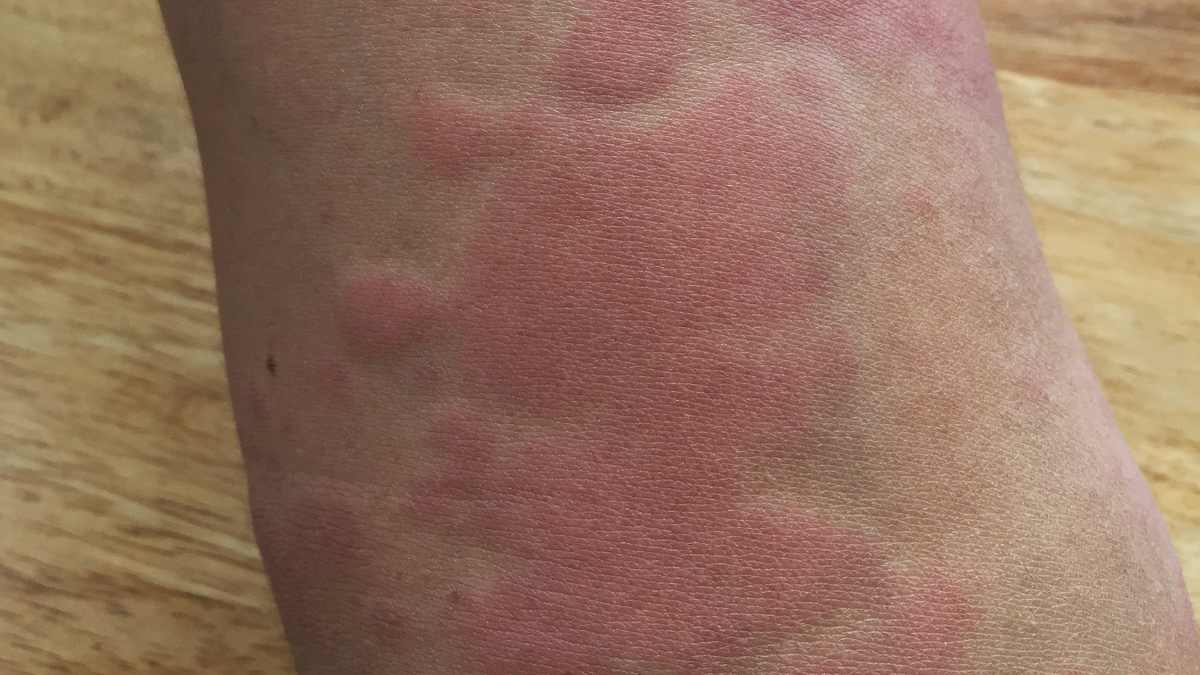

Introduction:
Rashes are common skin irritations that can result from a variety of causes, ranging from allergic reactions to infections. Understanding how long a rash should take to heal is crucial for managing symptoms and determining when to seek medical attention. This article will explore the types and causes of rashes, the typical duration of healing, factors that influence this duration, and when to consult a healthcare professional. Additionally, we will discuss home remedies and preventive measures to reduce the risk of future rashes.
Understanding Rashes: Types and Causes of Skin Irritations
Rashes can manifest in numerous forms, each with distinct characteristics and causes. Eczema, for instance, is a chronic condition that leads to dry, itchy patches on the skin. It can be triggered by environmental factors, stress, or allergens. Contact dermatitis occurs when the skin reacts to a substance, such as poison ivy or certain chemicals, resulting in localized inflammation and irritation. Psoriasis is another type of rash characterized by red, scaly patches, often linked to an autoimmune response.
Infectious rashes, such as those caused by viruses or bacteria, can also occur. Chickenpox and measles are examples of viral infections that lead to widespread rashes. Bacterial infections, like impetigo, can cause red sores that may ooze or crust over. Fungal infections, such as ringworm, present as circular, itchy patches on the skin. Understanding the underlying cause of a rash is essential for effective treatment and management.
Environmental factors also contribute significantly to skin irritations. Temperature changes, humidity, and exposure to irritants like soaps or detergents can provoke rashes in susceptible individuals. Additionally, lifestyle factors such as diet and stress levels can influence skin health and predispose individuals to rashes. Recognizing these triggers can help in both prevention and treatment.
Lastly, some rashes may indicate systemic issues or allergies. Conditions like lupus or hives may present with skin symptoms but require a broader medical evaluation. Identifying the type and cause of a rash is the first step in determining its expected duration and appropriate treatment.
Typical Duration of Rashes: What to Expect in Healing
The duration of a rash can vary widely depending on its type and underlying cause. Acute rashes, such as those from contact dermatitis or allergic reactions, typically resolve within a few days to a couple of weeks once the irritant is removed. In contrast, chronic rashes, such as eczema or psoriasis, may persist for months or even years, requiring ongoing management and treatment.
Infectious rashes also have variable durations. For example, a viral rash from chickenpox generally lasts about one to two weeks, while a bacterial rash like impetigo may improve within a few days of antibiotic treatment. Fungal infections may take longer to heal, often requiring several weeks of antifungal therapy.
It is important to note that healing does not always mean complete disappearance of the rash. Some conditions may leave residual discoloration or texture changes even after the active rash has resolved. Post-inflammatory hyperpigmentation is a common occurrence, particularly in individuals with darker skin tones, where the affected area may remain darker after healing.
Understanding these timelines can help individuals manage their expectations and avoid unnecessary anxiety about their skin condition. However, if a rash persists beyond the expected duration or worsens, it may indicate the need for further evaluation.
Factors Influencing Rash Duration: A Comprehensive Overview
Several factors can influence how long a rash lasts. Individual skin type plays a significant role; for example, sensitive skin may react more severely and take longer to heal. Additionally, underlying health conditions such as diabetes or autoimmune disorders can impair the skin’s ability to recover, prolonging the duration of rashes.
Age is another critical factor. Children often experience rashes that resolve more quickly than those in adults, partly due to their more resilient skin and faster healing processes. Conversely, older adults may have thinner skin and reduced healing capacity, resulting in longer-lasting rashes.
The severity of the rash also affects healing time. More severe rashes, characterized by extensive inflammation, blistering, or secondary infections, typically require a longer recovery period. Early intervention and appropriate treatment can significantly reduce the severity and duration of a rash.
Finally, environmental and lifestyle factors such as stress levels, diet, and exposure to irritants can impact skin health and healing. High-stress levels can exacerbate conditions like eczema, while a diet rich in anti-inflammatory foods may promote faster healing. Understanding these factors can empower individuals to take proactive steps in managing their skin health.
When to Seek Medical Attention for Persistent Rashes
While many rashes can be managed at home, there are specific situations where medical attention is necessary. If a rash persists for more than two weeks without improvement, it is advisable to consult a healthcare professional. Additionally, if the rash is accompanied by symptoms such as fever, severe itching, or pain, medical evaluation is warranted.
Rashes that exhibit signs of infection, such as increased redness, warmth, swelling, or pus, should also be assessed by a doctor. Systemic symptoms, including joint pain or fatigue, may indicate an underlying condition that requires further investigation.
Individuals with a history of allergies or autoimmune diseases should be particularly vigilant. A rash that appears suddenly or changes rapidly may signal an allergic reaction or flare-up of an underlying condition, necessitating prompt medical intervention.
Lastly, if a rash is causing significant distress or impacting daily activities, seeking professional help can provide relief and appropriate treatment options. Early intervention can prevent complications and promote faster recovery.
Home Remedies and Treatments to Accelerate Rash Recovery
For many mild rashes, home remedies can provide relief and promote healing. Cool compresses can soothe irritated skin and reduce inflammation. Applying a clean, damp cloth to the affected area for 15-20 minutes several times a day can alleviate discomfort.
Over-the-counter treatments, such as hydrocortisone cream, can help reduce itching and inflammation associated with rashes. Antihistamines may also be beneficial for allergic reactions, providing relief from itching and discomfort. However, it is essential to follow the instructions on the packaging and consult a healthcare professional if symptoms persist.
Natural remedies, such as aloe vera and coconut oil, are often used for their soothing properties. Aloe vera gel can hydrate the skin and reduce inflammation, while coconut oil can provide moisture and barrier protection. However, individuals should perform a patch test to ensure they do not have an adverse reaction to these substances.
Maintaining proper skin hygiene is also crucial in promoting recovery. Gently cleansing the affected area with mild soap and water can help prevent infection and remove irritants. Avoiding harsh chemicals and fragrances in skincare products can further minimize irritation and support the healing process.
Preventive Measures: Reducing the Risk of Future Rashes
Preventing rashes involves a combination of lifestyle changes and awareness of triggers. Identifying and avoiding known allergens is crucial for individuals with sensitivities. Keeping a diary of skin reactions can help pinpoint specific triggers, allowing for better management.
Maintaining proper skin care is essential. Regularly moisturizing the skin can prevent dryness and irritation, which are common precursors to rashes. Choosing gentle, fragrance-free products can minimize the risk of contact dermatitis and other skin irritations.
Wearing protective clothing when exposed to potential irritants, such as chemicals or plants, can also reduce the risk of developing rashes. For individuals prone to heat-related rashes, wearing breathable fabrics and staying cool can help prevent flare-ups.
Lastly, managing stress through relaxation techniques, exercise, and adequate sleep can positively impact overall skin health. A holistic approach to well-being can significantly reduce the frequency and severity of rashes.
Conclusions:
Understanding the duration and management of rashes is essential for effective treatment and prevention. By recognizing the types and causes of rashes, individuals can better navigate their healing process. Awareness of influencing factors and knowing when to seek medical attention can lead to improved outcomes. Home remedies and preventive measures can further enhance skin health, reducing the likelihood of future rashes.
Read more:
- American Academy of Dermatology – Rashes – A comprehensive resource on various types of rashes and their treatments.
- Mayo Clinic – Skin Rashes – Detailed information on symptoms, causes, and when to seek medical help for skin rashes.
- Cleveland Clinic – Eczema – Insights into eczema, its causes, and management strategies.
- WebMD – Skin Rashes – A guide discussing various skin rashes, their symptoms, and treatment options.
- Healthline – Home Remedies for Rashes – Practical advice on home remedies and treatments to alleviate skin rashes.