

Introduction:
Itchy rashes can be a frustrating and uncomfortable experience, often leading to scratching that can exacerbate the condition. Understanding the underlying causes and symptoms of these rashes is crucial for effective management and relief. This article will explore various aspects of itchy rashes, including their causes, assessment, home remedies, over-the-counter treatments, when to seek professional help, and preventive measures to reduce the risk of future occurrences.
Understanding the Causes of Itchy Rashes and Their Symptoms
Itchy rashes can arise from a myriad of causes, ranging from allergic reactions to skin conditions. Common allergens include certain foods, medications, insect bites, and environmental factors such as pollen or pet dander. Additionally, irritants like soaps, detergents, and chemicals can provoke a rash. Understanding the specific triggers is essential for effective treatment and prevention.
Skin conditions such as eczema, psoriasis, and contact dermatitis are also frequent culprits behind itchy rashes. Eczema, for instance, is characterized by red, inflamed skin that can be extremely itchy. Psoriasis, on the other hand, often presents as thick, scaly patches that may itch or burn. Identifying the type of rash is critical for determining the appropriate course of action.
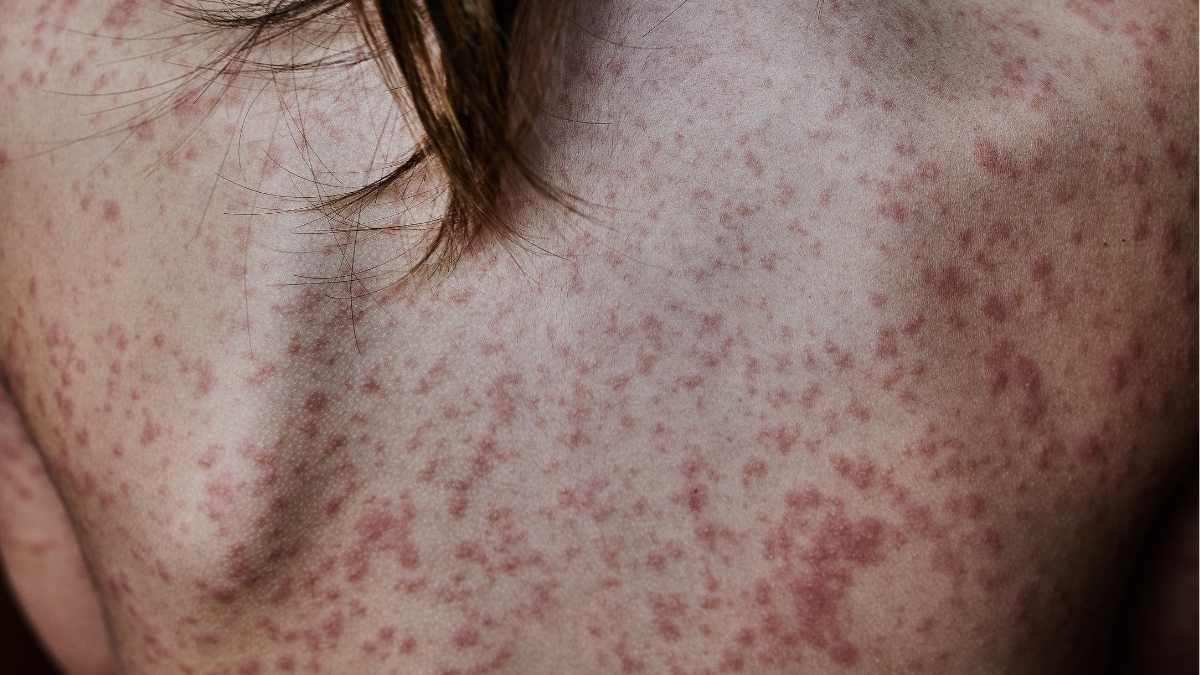
Symptoms accompanying itchy rashes can vary widely. Some individuals may experience localized itching, while others may have widespread discomfort. In addition to itching, rashes may exhibit symptoms such as redness, swelling, blistering, or peeling skin. Recognizing these symptoms helps in assessing the severity and potential causes of the rash.
Lastly, it is essential to consider the duration of the rash. An itchy rash that lasts for a short period may be less concerning than one that persists for weeks or months. Monitoring the rash and its accompanying symptoms can provide valuable information for both self-care and when seeking medical advice.
Assessing the Severity of Your Itchy Rash: A Guide
When faced with an itchy rash, assessing its severity is crucial for determining the appropriate response. Mild rashes may cause minor discomfort and can often be managed with home remedies or over-the-counter treatments. These rashes typically do not exhibit significant redness or swelling and do not interfere with daily activities.
Moderate rashes may present with increased redness, swelling, or discomfort. They may also be accompanied by blisters or crusting. In such cases, it is advisable to consider over-the-counter treatments and monitor the rash closely. If the rash does not improve within a few days, further evaluation may be necessary.
Severe rashes can be debilitating and may involve widespread areas of the skin. These rashes often present with intense itching, significant swelling, and may even lead to secondary infections due to excessive scratching. In these instances, it is essential to seek professional medical advice promptly to prevent complications and receive appropriate treatment.
Additionally, keep an eye out for systemic symptoms such as fever, chills, or difficulty breathing, which may indicate a more serious underlying condition. Recognizing these symptoms can aid in making informed decisions about when to seek medical attention.
Initial Home Remedies: Soothing Techniques for Itchy Skin
For mild to moderate itchy rashes, several home remedies can provide relief. Cold compresses are one of the simplest and most effective methods to soothe itching. Applying a clean, cold cloth to the affected area for 15-20 minutes can help reduce inflammation and numb the area, providing immediate relief.
Another effective remedy is oatmeal baths. Colloidal oatmeal can be added to lukewarm bathwater to create a soothing environment for irritated skin. This natural remedy has anti-inflammatory properties that can help relieve itching and moisturize the skin. After the bath, gently pat the skin dry and apply a moisturizer to lock in hydration.
Aloe vera is another popular natural remedy known for its soothing properties. Applying pure aloe vera gel to the affected area can help cool the skin and reduce inflammation. Its antibacterial properties may also aid in preventing secondary infections from scratching.
Lastly, maintaining proper skin hydration is crucial. Using a gentle, fragrance-free moisturizer regularly can help prevent dryness and irritation, which can exacerbate itching. Incorporating these home remedies into your routine can significantly improve comfort and promote healing.
Over-the-Counter Treatments: Options for Relief and Care
When home remedies are insufficient, over-the-counter (OTC) treatments can provide additional relief for itchy rashes. Topical corticosteroids, such as hydrocortisone cream, are commonly used to reduce inflammation and itching. These creams are effective for mild to moderate rashes and can be applied directly to the affected area as directed.
Another option is antihistamines, which can help alleviate itching caused by allergic reactions. Oral antihistamines, such as diphenhydramine or loratadine, can provide relief from itching and help improve sleep if the rash is causing discomfort at night. However, it is essential to follow the recommended dosage to avoid potential side effects.
For rashes that are particularly dry or scaly, moisturizing creams containing ingredients like ceramides or urea can help restore the skin barrier and reduce itching. These products are especially beneficial for conditions like eczema or psoriasis, where maintaining skin hydration is crucial.
Lastly, calamine lotion can be an effective treatment for rashes caused by insect bites or poison ivy. It provides a cooling sensation and helps to dry out oozing blisters, offering relief from itching and irritation. Selecting the right OTC treatment based on the type and severity of the rash can significantly enhance comfort and promote healing.
When to Seek Professional Help for Persistent Rashes
While many itchy rashes can be managed at home, there are circumstances where professional help is necessary. If a rash persists for more than a few days without improvement, it is advisable to consult a healthcare professional. Persistent rashes may indicate an underlying condition that requires medical evaluation and treatment.
Additionally, if the rash is accompanied by systemic symptoms such as fever, chills, or difficulty breathing, immediate medical attention is crucial. These symptoms may suggest a more serious allergic reaction or infection that needs urgent care. Recognizing these warning signs can help prevent complications.
In cases where the rash is severely itchy and affects daily activities, seeking professional help can provide access to more potent treatments. Dermatologists can offer prescription medications, such as stronger corticosteroids or immunosuppressants, to manage severe cases effectively. Early intervention can lead to better outcomes and quicker relief.
Lastly, if there are signs of infection, such as increased redness, warmth, or pus, it is essential to seek medical attention. Infections can occur as a result of scratching and may require antibiotics for treatment. Being proactive in addressing these symptoms can help ensure proper care and recovery.
Preventive Measures: Reducing the Risk of Future Rashes
Preventing itchy rashes involves identifying and avoiding potential triggers. Keeping a detailed diary of your activities, diet, and any products used can help pinpoint allergens or irritants. Once identified, taking steps to avoid these triggers can significantly reduce the likelihood of future rashes.
Maintaining proper skin care is also crucial. Regularly moisturizing the skin with gentle, fragrance-free products can help maintain the skin barrier and prevent dryness, which can lead to itching. Incorporating a consistent skincare routine can create a protective layer against irritants and allergens.
Wearing loose-fitting, breathable clothing can help minimize irritation, especially in hot or humid conditions. Choosing fabrics that are soft and hypoallergenic can further reduce the risk of developing rashes. Additionally, avoiding harsh detergents or fabric softeners can help protect sensitive skin.
Lastly, practicing good hygiene, such as regular handwashing and avoiding sharing personal items, can help prevent the spread of infections that may lead to rashes. Taking these preventive measures can significantly reduce the risk of developing itchy rashes in the future.
Conclusions:
Managing an itchy rash requires a comprehensive understanding of its causes, symptoms, and appropriate treatments. By assessing the severity of the rash, utilizing home remedies and over-the-counter treatments, and knowing when to seek professional help, individuals can effectively alleviate discomfort and promote healing. Furthermore, implementing preventive measures can significantly reduce the risk of future rashes, leading to healthier skin and improved quality of life.
Read more
- American Academy of Dermatology – A comprehensive resource for skin conditions, including itchy rashes, with expert advice and treatment options.
- Mayo Clinic: Skin Rashes – Detailed information on various types of skin rashes, their causes, and treatment strategies.
- Cleveland Clinic: Itchy Skin – Insights into the causes of itchy skin and effective management techniques.
- WebMD: Skin Rash – A resource for understanding different types of rashes and their treatments.
- National Eczema Association – A dedicated resource for individuals with eczema, offering tips for management and prevention.