

Se hai un abbonamento attivo ACCEDI QUI
Introduction:
Skin rashes are common dermatological issues that can arise from a variety of causes, ranging from allergies to infections. They can manifest in numerous forms, including redness, swelling, and itching, and may occur anywhere on the body. Understanding how to effectively manage and treat these rashes is crucial for alleviating discomfort and preventing further complications. This article will provide a comprehensive guide on how to make a rash go away, covering types and causes, initial assessments, treatment options, lifestyle modifications, and when to seek professional help.
Understanding the Types and Causes of Skin Rashes
Skin rashes can be classified into several types, each with distinct characteristics and underlying causes. Contact dermatitis is a common type that occurs when the skin comes into contact with irritants or allergens, resulting in localized inflammation. Another prevalent form is eczema, which is often chronic and can be triggered by environmental factors, stress, or genetic predisposition. Psoriasis, on the other hand, is an autoimmune condition that leads to rapid skin cell turnover, causing thick, scaly patches.
Infections can also lead to rashes, with fungal infections such as ringworm and viral infections like chickenpox causing distinct symptoms. Bacterial infections, such as impetigo, can present with weeping sores and require immediate attention. Additionally, systemic conditions like lupus and dermatitis herpetiformis can manifest as rashes, indicating deeper health issues that need to be addressed.
Environmental factors play a significant role in the development of rashes. Heat, humidity, and friction can exacerbate skin conditions, leading to rashes such as heat rash or chafing. Furthermore, certain medications can cause drug-induced rashes, which may require discontinuation of the offending agent. Understanding these various causes is essential for effective management.
Recognizing the type of rash is the first step in determining the appropriate treatment. Each rash type may require a different approach, and identifying the underlying cause can significantly influence recovery time and effectiveness of treatment.
Initial Assessment: Identifying Rash Symptoms and Triggers
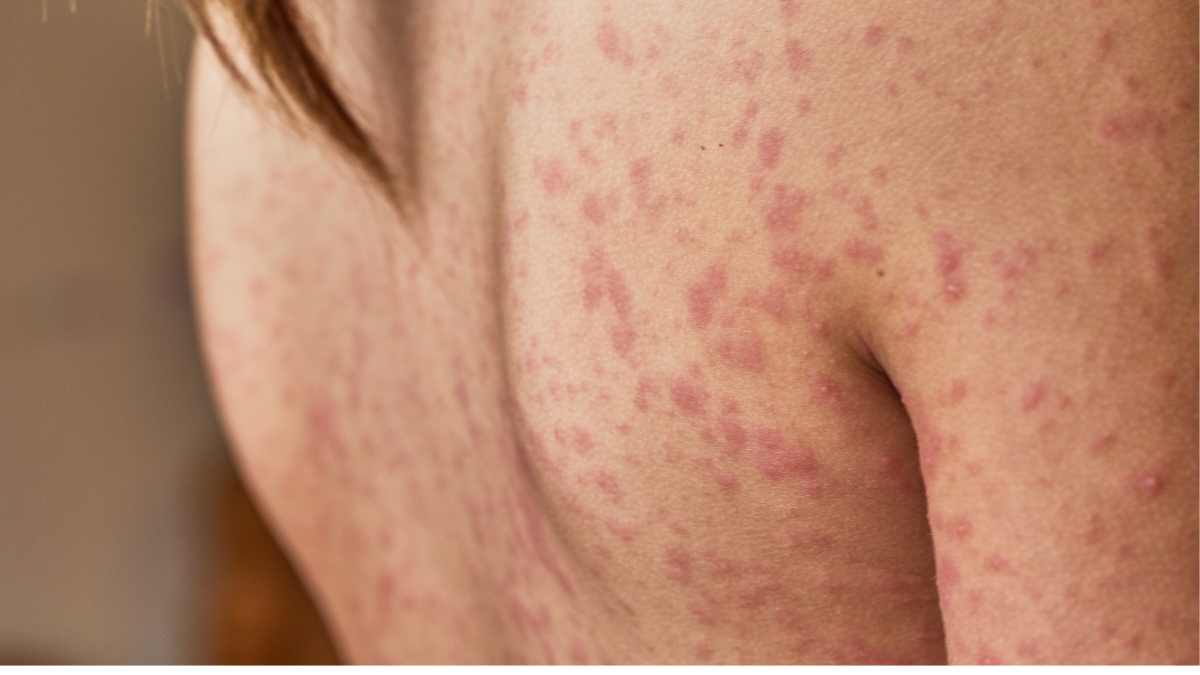
Before embarking on a treatment plan, it’s essential to conduct an initial assessment of the rash. Symptoms such as itching, burning, or pain can provide valuable clues about the underlying cause. For example, intense itching may suggest an allergic reaction, while pain could indicate an infection. Observing the appearance of the rash—whether it is raised, flat, blistered, or scaly—can also aid in diagnosis.
Next, identifying potential triggers is critical. Keeping a diary of activities, foods, and products used before the rash appeared can help pinpoint the cause. Common triggers include exposure to certain fabrics, soaps, or environmental allergens such as pollen and pet dander. Additionally, stress and hormonal changes can also contribute to the onset of rashes.
It’s also important to consider the duration of the rash. Rashes that resolve quickly may be less concerning, while those that persist or worsen over time may require further investigation. Monitoring changes in the rash, such as spreading or developing new symptoms, can provide insight into its nature.
Finally, assessing any accompanying symptoms, such as fever or malaise, can help determine whether the rash is part of a more systemic issue. This comprehensive initial assessment lays the groundwork for effective treatment and management.
Topical Treatments: Creams and Ointments for Relief
Topical treatments are often the first line of defense against skin rashes. Corticosteroid creams are commonly used to reduce inflammation and alleviate itching. These medications vary in strength, and it’s crucial to choose an appropriate one based on the severity of the rash. Overuse of potent corticosteroids can lead to skin thinning and other complications, so they should be used judiciously.
For rashes caused by fungal infections, antifungal creams are effective in eradicating the underlying cause. These topical agents work by inhibiting fungal growth and can provide rapid relief from symptoms. It’s important to apply the medication as directed and continue treatment for the recommended duration, even if symptoms improve.
In cases of allergic reactions, calamine lotion or pramoxine cream can provide soothing relief. These products help to alleviate itching and discomfort while promoting healing. Additionally, moisturizers can be beneficial for dry, scaly rashes, as they help to restore the skin’s barrier function and prevent further irritation.
Always consult with a healthcare provider before starting any topical treatment, particularly for sensitive areas or severe rashes. They can recommend the most suitable options based on the specific diagnosis and individual skin type.
Systemic Approaches: Oral Medications for Severe Cases
In more severe cases, systemic treatments may be necessary to address the rash effectively. Oral corticosteroids can be prescribed for widespread inflammatory rashes, providing rapid relief from symptoms. However, these medications come with potential side effects, including weight gain and increased susceptibility to infections, so they should be used under strict medical supervision.
For rashes caused by bacterial infections, oral antibiotics may be required. These medications target the underlying infection and can help resolve symptoms more quickly than topical treatments alone. It is crucial to complete the entire course of antibiotics as prescribed to prevent recurrence and resistance.
In cases of autoimmune conditions like psoriasis, immunosuppressive drugs may be indicated. These medications work by dampening the immune response, thereby reducing inflammation and the severity of the rash. Regular monitoring by a healthcare provider is essential to manage potential side effects associated with these treatments.
Finally, antihistamines can be beneficial for rashes caused by allergic reactions. These medications help to reduce itching and discomfort, making them a useful adjunct to topical treatments. As with any medication, it is important to consult with a healthcare provider to determine the most appropriate systemic approach.
Lifestyle Modifications: Preventing Future Rash Outbreaks
Preventing future rash outbreaks often involves making specific lifestyle modifications. Identifying and avoiding triggers is paramount; this may include switching to hypoallergenic skincare products, wearing breathable fabrics, or avoiding certain foods known to cause allergic reactions. Keeping a detailed record of any flare-ups can help in recognizing patterns and triggers.
Maintaining good hygiene is also essential in preventing rashes. Regular bathing with gentle cleansers can help remove irritants and allergens from the skin. After sweating or exposure to potential irritants, it’s particularly important to cleanse the skin to minimize the risk of rash development.
Incorporating a healthy diet rich in antioxidants and omega-3 fatty acids can support skin health and reduce inflammation. Staying hydrated is equally important, as proper hydration helps maintain skin elasticity and barrier function. Foods such as fatty fish, nuts, and leafy greens can contribute positively to skin health.
Finally, managing stress through techniques such as mindfulness, yoga, or regular exercise can also play a significant role in preventing rashes. Stress is a known trigger for many skin conditions, and finding effective coping mechanisms can help reduce the frequency and severity of outbreaks.
When to Seek Professional Help for Persistent Rashes
While many rashes can be managed at home, there are specific circumstances that warrant professional evaluation. If a rash persists for more than a few days without improvement, it is advisable to consult a healthcare provider. Persistent rashes can indicate underlying conditions that require more intensive treatment.
Additionally, if the rash is accompanied by systemic symptoms such as fever, chills, or difficulty breathing, immediate medical attention is necessary. These symptoms may suggest a more serious condition, such as an infection or anaphylaxis, that requires prompt intervention.
Rashes that exhibit signs of infection, such as increased redness, warmth, swelling, or pus, should also be evaluated by a healthcare professional. These signs can indicate a bacterial infection that may require antibiotics or other treatments.
Lastly, if the rash is causing significant discomfort or impacting daily activities, seeking professional help can provide relief and a tailored treatment plan. Dermatologists can offer specialized care and advanced treatment options for persistent and complex skin issues.
Conclusions:
Effectively managing and treating skin rashes involves understanding their types and causes, conducting thorough assessments, and utilizing appropriate topical and systemic treatments. Lifestyle modifications play a crucial role in preventing future outbreaks, while knowing when to seek professional help is essential for persistent or severe cases. By following these guidelines, individuals can achieve relief from rashes and maintain healthier skin.
Read more
- American Academy of Dermatology – Skin Rashes – A comprehensive resource on various skin rashes, their symptoms, and treatments.
- Mayo Clinic – Skin Rash – Detailed information on the causes and management of skin rashes.
- Cleveland Clinic – Eczema – Insights into eczema, its triggers, and treatment options.
- WebMD – Understanding Skin Rashes – An informative slideshow on different types of skin rashes and their management.
- National Eczema Association – Treatment Options – A resource focused on treatment strategies for eczema and related skin conditions.