

Introduction:
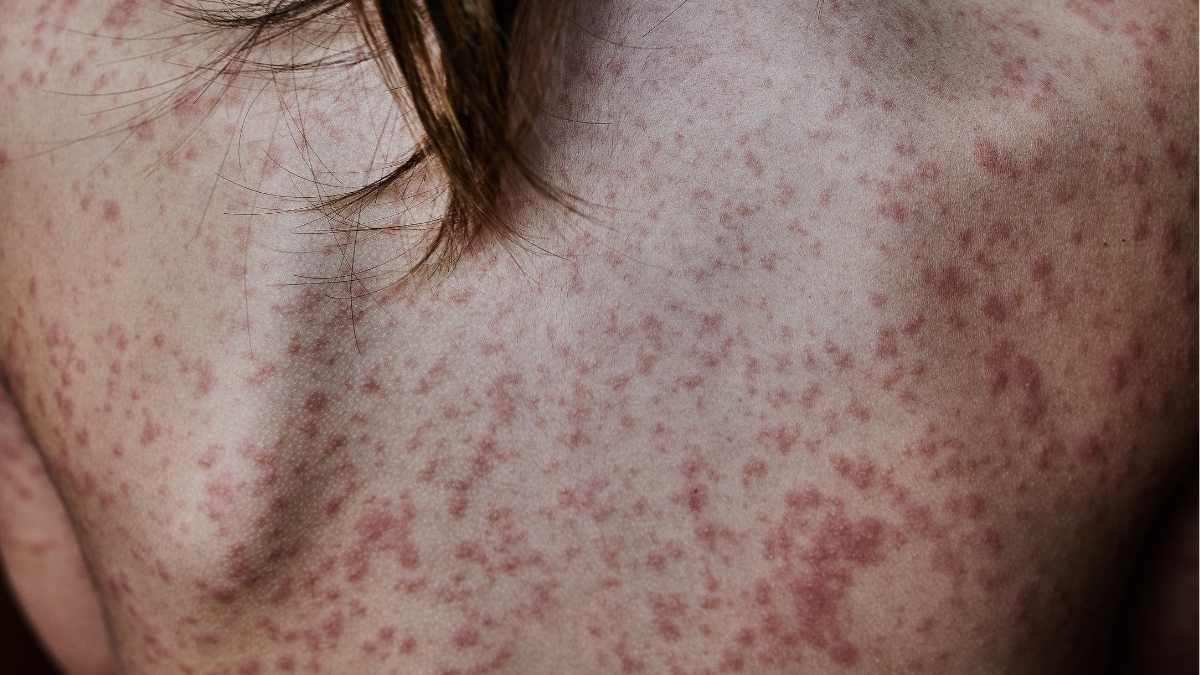
Skin rashes can be a source of discomfort and concern, often leaving individuals wondering about their causes and how to treat them. Two common culprits behind rashes are fungal and bacterial infections, each requiring different approaches for effective management. Understanding the differences between these two types of infections is crucial for proper diagnosis and treatment. This article will explore the characteristics of fungal and bacterial rashes, their symptoms, diagnostic methods, treatment options, and when to seek professional medical advice.
Understanding the Differences Between Fungal and Bacterial Rashes
Fungal and bacterial rashes originate from different pathogens, leading to distinct characteristics and symptoms. Fungal infections are caused by fungi, which can thrive in warm, moist environments. They often present as red, itchy patches and can be chronic if not treated properly. Common fungal infections include athlete’s foot, ringworm, and candidiasis, each with unique presentations that can mimic other skin conditions.
In contrast, bacterial infections are caused by bacteria, which can invade the skin through cuts or abrasions. These infections may manifest as red, swollen areas that can be painful and may produce pus. Common bacterial infections include impetigo, cellulitis, and folliculitis. Understanding these fundamental differences is essential for recognizing the type of rash one may be experiencing.
The environment also plays a significant role in the development of these infections. Fungi thrive in humid conditions, which is why they are often found in areas like the groin, armpits, and between toes. Bacterial infections, however, can occur anywhere on the body, especially in areas where the skin is broken or compromised.
Moreover, risk factors differ between the two types of infections. Individuals with weakened immune systems, diabetes, or those taking antibiotics are more susceptible to bacterial infections. On the other hand, those with compromised skin barriers, such as eczema or psoriasis, may be more prone to fungal infections. Recognizing these differences can aid in the initial assessment of a rash.
Common Symptoms of Fungal Infections in Skin Conditions
Fungal infections typically present with a variety of symptoms that can help in their identification. One of the hallmark signs is itchiness, which can range from mild to severe. The affected area may become inflamed and red, often with well-defined borders. In some cases, the rash may also exhibit scaling or flaking, which is particularly common in conditions like tinea corporis (ringworm).
Another common symptom is the presence of blisters or pustules, which can occur in more severe fungal infections. These lesions may ooze or crust over, leading to secondary infections if not managed properly. Fungal infections can also cause changes in skin texture, leading to thickened or discolored patches.
In addition to localized symptoms, systemic symptoms may arise in more severe cases. Fever, fatigue, and malaise can accompany extensive fungal infections, particularly in immunocompromised individuals. It is essential to monitor these symptoms closely, as they may indicate a more serious underlying condition.
Lastly, it is important to note that fungal infections can be recurrent. Individuals who have experienced a fungal rash may find it returning, especially if they are in environments conducive to fungal growth. This recurrence underscores the importance of effective treatment and preventive measures.
Identifying Key Features of Bacterial Skin Infections
Bacterial skin infections often present with distinctive features that can aid in their identification. One of the primary signs is redness and swelling around the affected area, which may be accompanied by warmth and tenderness. This inflammatory response is a result of the body’s immune system reacting to the bacterial invasion.
Another characteristic feature is the presence of pus or drainage. Bacterial infections such as impetigo and abscesses often produce yellowish or greenish discharge, indicating the presence of bacteria and dead white blood cells. This can be a critical differentiator from fungal infections, which typically do not produce pus.
Pain is another prominent symptom associated with bacterial infections. The affected area may be sensitive to touch, and individuals may experience discomfort during movement or when pressure is applied. This pain can range from mild to severe, depending on the extent of the infection.
Additionally, systemic symptoms such as fever and chills may accompany bacterial infections, particularly in cases of cellulitis or systemic spread. These symptoms can indicate a more serious infection requiring immediate medical attention. Recognizing these key features can assist individuals in differentiating between fungal and bacterial rashes.
Diagnostic Approaches for Fungal and Bacterial Rashes
Accurate diagnosis is essential for effective treatment of skin rashes. For fungal infections, a KOH (potassium hydroxide) test is often performed. This involves scraping the affected skin and examining it under a microscope to identify fungal elements. Fungal cultures may also be conducted to determine the specific type of fungus involved, guiding treatment decisions.
In contrast, bacterial infections may require a bacterial culture to identify the specific strain of bacteria responsible for the infection. This process involves taking a sample from the affected area and growing it in a laboratory setting. Blood tests may also be conducted if systemic infection is suspected, helping to assess the overall health of the individual and the extent of the infection.
Clinical evaluation by a healthcare professional is crucial in both cases. A thorough examination of the rash, along with a detailed medical history, can provide valuable insights. Healthcare providers may also consider other factors such as the duration of the rash, previous treatments, and any underlying health conditions.
Imaging studies, such as ultrasound, may be utilized in cases where deeper tissue involvement is suspected, particularly in bacterial infections. This comprehensive approach ensures that the correct diagnosis is made, leading to appropriate treatment strategies.
Treatment Options for Fungal versus Bacterial Skin Issues
The treatment of fungal and bacterial skin infections differs significantly due to their distinct underlying causes. Antifungal medications are the cornerstone of treatment for fungal infections. These can be topical, such as creams or ointments, or systemic, such as oral medications for more extensive infections. Common antifungal agents include clotrimazole, terbinafine, and fluconazole, depending on the specific type of fungal infection.
For bacterial infections, antibiotics are the primary treatment option. These can also be topical or systemic, depending on the severity of the infection. Common antibiotics include cephalexin, dicloxacillin, and clindamycin. It is crucial to complete the entire course of antibiotics as prescribed to prevent the development of antibiotic resistance.
In some cases, topical corticosteroids may be used to reduce inflammation and itching associated with both fungal and bacterial infections. However, caution should be exercised, as prolonged use of corticosteroids can exacerbate fungal infections by suppressing the local immune response.
Preventive measures play a vital role in managing both types of infections. Maintaining proper hygiene, keeping the skin dry, and avoiding sharing personal items can help reduce the risk of both fungal and bacterial rashes. Additionally, individuals with recurrent infections may benefit from lifestyle modifications to minimize exposure to pathogens.
When to Seek Professional Medical Advice for Rashes
While many rashes can be managed at home, there are specific situations where professional medical advice is essential. If a rash is persistent and does not improve with over-the-counter treatments, it is advisable to consult a healthcare provider. This is especially true for rashes accompanied by severe itching, pain, or swelling.
Individuals should seek medical attention if they notice signs of infection, such as increased redness, warmth, or drainage from the rash. Systemic symptoms like fever, chills, or malaise warrant immediate evaluation, as they may indicate a more serious underlying condition.
In cases where rashes are recurrent, seeking professional advice can help identify underlying causes or risk factors that may not be immediately apparent. A healthcare provider can conduct a thorough evaluation and recommend appropriate diagnostic tests or treatments.
Lastly, individuals with compromised immune systems or chronic health conditions should be vigilant about any new rashes. Early intervention can prevent complications and ensure effective management of skin issues.
Conclusions:
Differentiating between fungal and bacterial rashes is essential for effective treatment and management. Understanding the symptoms, diagnostic approaches, and treatment options for each type of infection can empower individuals to take appropriate action. When in doubt, seeking professional medical advice is always the best course of action to ensure proper care and prevent complications.
Read more
- Mayo Clinic – Fungal Skin Infections – Comprehensive information on various fungal skin infections, their symptoms, and treatment options.
- American Academy of Dermatology – Bacterial Skin Infections – Detailed overview of bacterial skin infections, including causes, symptoms, and treatment strategies.
- Cleveland Clinic – Skin Rashes – General information about different types of skin rashes, including fungal and bacterial causes.
- WebMD – Fungal Skin Infections – A resource for understanding fungal skin infections, their symptoms, and treatment options.
- Healthline – Bacterial Skin Infections – An informative guide on bacterial skin infections, including risk factors, symptoms, and treatment methods.