
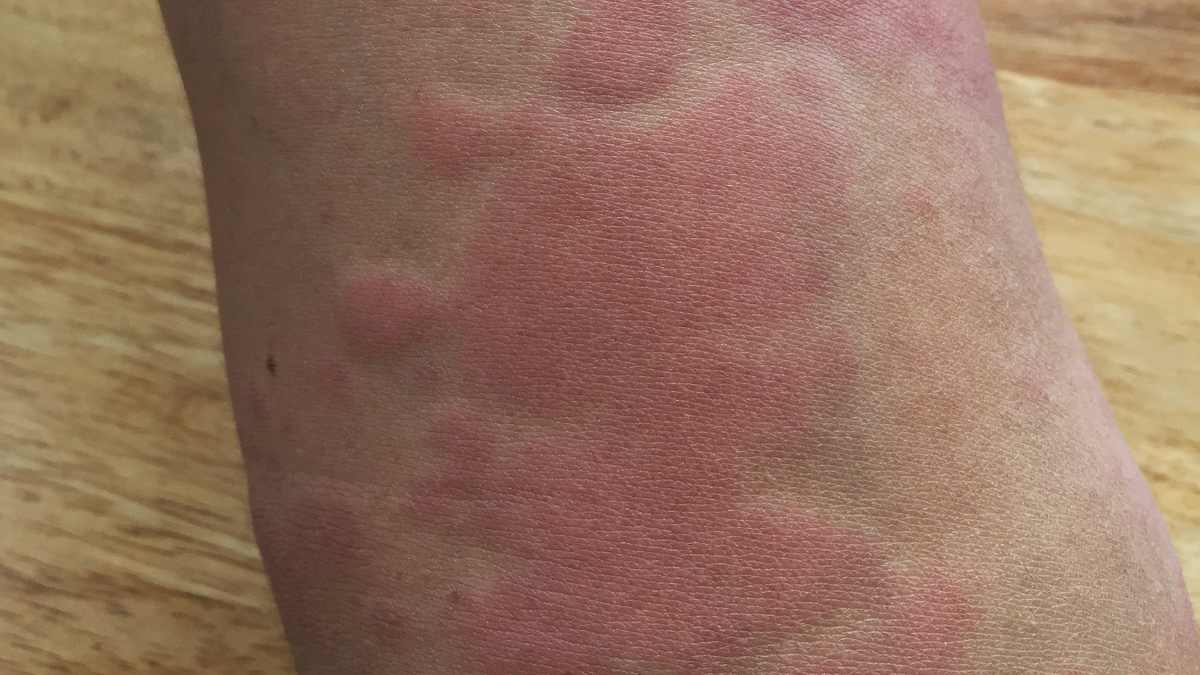

Introduction:
Skin reactions can often be perplexing, especially when distinguishing between conditions like heat rash and allergic reactions. Understanding the underlying causes, symptoms, and treatment options is crucial for effective management. Heat rash, also known as miliaria, typically arises from excessive sweating, while allergic reactions can result from a variety of triggers, including food, medications, or environmental factors. This article aims to clarify the differences between these two skin conditions, providing guidance on identification, diagnosis, and treatment.
Understanding Heat Rash: Causes and Symptoms Explained
Heat rash occurs when sweat ducts become blocked, leading to the retention of sweat beneath the skin. This condition is most common in hot, humid weather and can affect individuals of all ages, although infants are particularly susceptible due to their underdeveloped sweat glands. Factors contributing to heat rash include high temperatures, excessive physical activity, and tight clothing that traps moisture against the skin.
The symptoms of heat rash are typically localized and include small, red bumps or blisters that may appear in clusters. These lesions are often accompanied by itching or a prickly sensation, particularly when the skin is exposed to heat or friction. In some cases, the rash may become inflamed or infected if not properly managed, leading to further discomfort.
Heat rash is generally self-limiting and resolves once the individual cools down and the sweat glands regain normal function. However, in severe cases, it can lead to complications such as folliculitis or secondary infections, necessitating prompt attention. Recognizing the signs early can facilitate quicker recovery and prevent further issues.
To prevent heat rash, it is essential to stay cool and dry, especially during hot weather. Wearing loose-fitting, breathable clothing and avoiding strenuous activities during peak heat can significantly reduce the risk of developing this condition. Maintaining proper hydration is also crucial, as it helps regulate body temperature and supports overall skin health.
Identifying Allergic Reactions: Key Characteristics to Note
Allergic reactions occur when the immune system overreacts to a substance, known as an allergen. Common allergens include pollen, pet dander, certain foods, medications, and insect stings. The severity of an allergic reaction can vary widely, ranging from mild rashes to life-threatening anaphylaxis, making it essential to recognize the symptoms early.
The symptoms of an allergic reaction can manifest in various forms, including hives, redness, swelling, and itching. These reactions may appear suddenly after exposure to an allergen and can affect any part of the body. In some cases, individuals may also experience systemic symptoms such as difficulty breathing, gastrointestinal distress, or swelling of the face and throat.
Unlike heat rash, allergic reactions can occur at any time and are not limited to specific environmental conditions. The timing of the reaction can provide clues; for instance, if symptoms appear shortly after exposure to a known allergen, it is likely an allergic reaction. Chronic allergic conditions, such as eczema or allergic rhinitis, can also contribute to skin reactions, complicating the diagnostic process.
Management of allergic reactions often involves avoiding known allergens and using antihistamines or corticosteroids to alleviate symptoms. In severe cases, individuals may require an epinephrine injection to counteract anaphylaxis, underscoring the importance of recognizing and responding to allergic reactions promptly.
Comparing Symptoms: Heat Rash vs. Allergic Reaction
When comparing heat rash and allergic reactions, it is crucial to note the distinctive characteristics of each condition. Heat rash typically presents as small, red bumps or blisters that cluster in areas prone to sweating, such as the neck, armpits, and groin. The rash is often accompanied by a prickly or itchy sensation, particularly when the skin is warm or sweaty.
In contrast, allergic reactions can produce a wider variety of symptoms, including hives, swelling, and redness that may appear suddenly and spread rapidly. The itching associated with allergic reactions can be more intense and may be accompanied by systemic symptoms, such as difficulty breathing or gastrointestinal issues, which are not typical of heat rash.
Another key difference lies in the timing and triggers. Heat rash is primarily associated with environmental factors, such as heat and humidity, while allergic reactions can occur in response to a specific allergen, regardless of external conditions. This distinction can aid in determining the underlying cause of the skin reaction.
It is also important to consider the duration of symptoms. Heat rash generally resolves quickly once the individual cools down, while allergic reactions may persist until the allergen is eliminated from the body or treated with appropriate medications. Understanding these differences can help individuals seek the right treatment and avoid unnecessary complications.
Diagnostic Approaches: Distinguishing Between Conditions
Diagnosing heat rash versus an allergic reaction typically begins with a thorough patient history and physical examination. Healthcare providers will inquire about the onset, duration, and characteristics of the rash, as well as any recent exposure to potential allergens or changes in environmental conditions. This information is vital for forming an accurate diagnosis.
In some cases, additional diagnostic tests may be necessary. For allergic reactions, skin prick tests or blood tests can help identify specific allergens responsible for the symptoms. These tests measure the immune system’s response to various allergens, providing valuable information for future avoidance strategies.
For heat rash, a healthcare provider may not require extensive testing, as the diagnosis is often straightforward based on clinical presentation. However, if the rash persists or worsens, further evaluation may be warranted to rule out other skin conditions or infections, such as folliculitis or dermatitis.
Ultimately, distinguishing between these two conditions relies on careful observation of symptoms, patient history, and, when necessary, diagnostic testing. Understanding the nuances of each condition can empower individuals to seek appropriate care and manage their skin health effectively.
Treatment Options: Managing Heat Rash and Allergic Reactions
Treatment for heat rash primarily focuses on cooling the skin and alleviating discomfort. This can be achieved by moving to a cooler environment, applying cool compresses, and wearing loose, breathable clothing. Over-the-counter topical treatments, such as calamine lotion or hydrocortisone cream, can also help soothe itching and inflammation.
In severe cases, where heat rash leads to secondary infections, a healthcare provider may prescribe antibiotics or recommend antifungal treatments. Preventative measures, such as staying hydrated and avoiding excessive heat, are essential for reducing the risk of recurrence.
For allergic reactions, the first line of treatment typically involves antihistamines, which can help alleviate itching and swelling. In cases of more severe reactions, corticosteroids may be prescribed to reduce inflammation. For individuals with a history of anaphylaxis, carrying an epinephrine auto-injector is crucial for emergency situations.
Identifying and avoiding known allergens is a key component of managing allergic reactions. Keeping a detailed record of symptoms and potential triggers can help individuals and healthcare providers develop effective management strategies tailored to their specific needs.
When to Seek Medical Attention for Skin Reactions
While many cases of heat rash and allergic reactions can be managed at home, certain situations warrant medical attention. Individuals should seek prompt care if they experience severe symptoms, such as difficulty breathing, swelling of the face or throat, or widespread hives, as these may indicate anaphylaxis, a life-threatening condition.
For heat rash, medical attention is necessary if the rash persists despite home treatment, becomes increasingly painful, or shows signs of infection, such as increased redness, warmth, or pus. In such cases, a healthcare provider can evaluate the rash and recommend appropriate treatment options.
Additionally, individuals with underlying health conditions, such as asthma or other respiratory issues, should be particularly vigilant about allergic reactions, as they may be at higher risk for complications. Consulting with a healthcare provider can help establish a comprehensive management plan that addresses both skin reactions and any underlying health concerns.
In summary, understanding when to seek medical attention can significantly impact outcomes for individuals experiencing skin reactions. Prompt intervention can prevent complications and ensure appropriate care is provided.
Conclusions:
Differentiating between heat rash and allergic reactions is essential for effective management and treatment. By understanding the causes, symptoms, and diagnostic approaches, individuals can better navigate their skin health and seek appropriate care when needed. Awareness of the key characteristics of each condition empowers individuals to take proactive steps in managing their skin reactions and improving their quality of life.
Read more
- Mayo Clinic – Heat Rash – A comprehensive overview of heat rash, including causes, symptoms, and treatment options.
- American Academy of Dermatology – Allergic Reactions – Detailed information on allergic skin reactions, their triggers, and management strategies.
- Cleveland Clinic – Heat Rash vs. Allergic Reaction – An informative comparison of heat rash and allergic reactions, including symptoms and treatment.
- WebMD – Skin Allergies – A resource outlining various skin allergies, their symptoms, and treatment options.
- Healthline – Heat Rash: Symptoms and Treatment – A detailed guide on heat rash, including prevention tips and treatment options.