

Se hai un abbonamento attivo ACCEDI QUI
Introduction:
Dermatitis is a common skin condition that can cause significant discomfort and distress. It manifests in various forms, each with distinct characteristics and triggers. Understanding how to effectively treat a dermatitis rash is crucial for alleviating symptoms and preventing future outbreaks. This article will provide a comprehensive overview of dermatitis, including its types, symptoms, treatment options, and lifestyle modifications that can help manage this condition.
Understanding Dermatitis: Types and Symptoms Explained
Dermatitis is an umbrella term for inflammation of the skin, and it encompasses several types, including atopic dermatitis, contact dermatitis, and seborrheic dermatitis. Atopic dermatitis is often associated with allergies and asthma, characterized by dry, itchy skin and a tendency to flare up. Contact dermatitis occurs when the skin reacts to a specific irritant or allergen, leading to redness, swelling, and blistering. Seborrheic dermatitis, on the other hand, typically affects oily areas of the body and can result in scaly patches and redness.
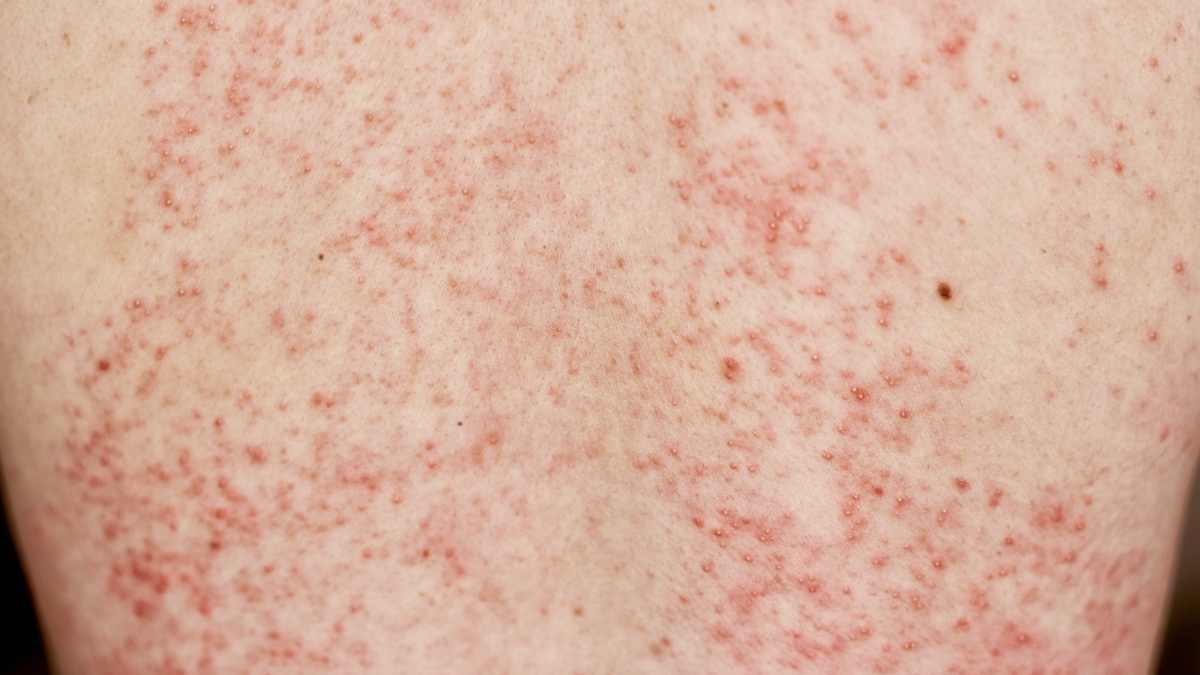
Symptoms of dermatitis can vary widely depending on the type and severity of the condition. Common symptoms include itching, redness, swelling, and the appearance of blisters or scales. In severe cases, the skin may crack and bleed, leading to secondary infections. Understanding these symptoms is essential for effective management and treatment.
Each type of dermatitis may also have unique triggers. For instance, atopic dermatitis can be exacerbated by environmental factors such as pollen, dust mites, or pet dander. Contact dermatitis may arise from exposure to specific chemicals or materials, such as soaps, cosmetics, or metals. Recognizing these triggers is vital for developing a targeted treatment plan.
In summary, understanding the various types of dermatitis and their symptoms is the first step in effective management. By identifying the specific type of dermatitis, individuals can tailor their treatment strategies to address their unique needs.
Initial Assessment: Identifying the Cause of Dermatitis
Before initiating treatment for dermatitis, it is crucial to conduct an initial assessment to identify the underlying cause. This process often begins with a detailed medical history and a physical examination by a healthcare professional. Patients should be prepared to discuss their symptoms, any known allergies, and recent exposures to potential irritants.
Patch testing may be recommended in cases of suspected contact dermatitis. This involves applying small amounts of various substances to the skin to determine if any cause a reaction. Identifying specific allergens can help in avoiding triggers and reducing the frequency of flare-ups.
In some cases, a dermatologist may perform a skin biopsy to rule out other skin conditions that may mimic dermatitis. This procedure involves taking a small sample of skin for laboratory analysis, providing valuable information for an accurate diagnosis.
Ultimately, understanding the cause of dermatitis is essential for effective treatment. By addressing the underlying factors contributing to the condition, individuals can significantly improve their skin health and overall quality of life.
Topical Treatments: Creams and Ointments for Relief
Topical treatments are often the first line of defense against dermatitis. Corticosteroid creams are commonly prescribed to reduce inflammation and alleviate itching. These medications vary in potency, and it is essential to use them as directed to avoid potential side effects, such as skin thinning.
In addition to corticosteroids, calcineurin inhibitors like tacrolimus and pimecrolimus can be effective for sensitive areas of the skin, such as the face and groin. These non-steroidal medications help reduce inflammation without the side effects associated with long-term steroid use.
For individuals with dry skin, moisturizers play a critical role in treatment. Emollients and occlusives can help restore the skin barrier, preventing moisture loss and reducing irritation. It is advisable to apply moisturizers immediately after bathing to lock in hydration.
In cases where the rash is infected, antibiotic ointments may be necessary. These can help eliminate bacterial infections that may complicate dermatitis, allowing for more effective healing of the affected skin.
Systemic Medications: When to Consider Oral Therapies
In more severe cases of dermatitis, topical treatments may not provide sufficient relief, necessitating the use of systemic medications. Oral corticosteroids can be prescribed for short-term management of acute flare-ups. These medications help reduce inflammation throughout the body but should be used cautiously due to potential side effects with long-term use.
Immunosuppressants such as azathioprine and methotrexate may be considered for individuals with chronic, severe dermatitis that does not respond to conventional treatments. These medications work by suppressing the immune system’s response, thereby reducing inflammation and symptoms.
For patients with atopic dermatitis, biologic therapies have emerged as a promising option. Medications like dupilumab target specific pathways in the immune system, providing significant relief for those who have not responded to other treatments. These therapies are typically reserved for moderate to severe cases and require careful monitoring by a healthcare professional.
It is essential for patients to discuss the potential benefits and risks of systemic medications with their healthcare provider. Regular follow-ups and monitoring are crucial to ensure the effectiveness of the treatment and to manage any side effects that may arise.
Lifestyle Modifications: Preventing Future Dermatitis Flare-ups
In addition to medical treatments, lifestyle modifications play a crucial role in managing dermatitis. Identifying and avoiding triggers is key to preventing flare-ups. Keeping a diary of symptoms and potential exposures can help individuals recognize patterns and make necessary adjustments.
Maintaining proper skin care is also vital. Gentle cleansers and fragrance-free products can help minimize irritation. It is advisable to avoid hot showers and harsh soaps, as these can strip the skin of its natural oils, exacerbating dryness and irritation.
Wearing loose, breathable clothing made from natural fibers can help reduce friction and irritation on the skin. Additionally, using a humidifier in dry environments can help maintain moisture levels in the air, benefiting those with dry skin conditions.
Lastly, managing stress is essential, as stress can be a significant trigger for dermatitis flare-ups. Techniques such as mindfulness, yoga, and regular exercise can help reduce stress levels and promote overall well-being.
When to Seek Professional Help: Indicators for Referral
While many cases of dermatitis can be managed at home, certain indicators warrant professional evaluation. If symptoms persist despite over-the-counter treatments, or if the rash is spreading, it is crucial to consult a healthcare professional. Severe itching or pain that interferes with daily activities is another sign that medical intervention may be necessary.
Additionally, if there are signs of infection, such as increased redness, swelling, or pus, seeking professional help is essential. Infections can complicate dermatitis and require prompt treatment to prevent further complications.
For individuals experiencing frequent flare-ups or those whose quality of life is significantly impacted by their condition, referral to a dermatologist may be beneficial. A specialist can provide advanced treatment options and a tailored management plan.
In summary, understanding when to seek professional help is vital for effective management of dermatitis. Early intervention can prevent complications and improve overall skin health.
Conclusions:
Treating a dermatitis rash involves a multifaceted approach that includes understanding the condition, identifying triggers, utilizing appropriate treatments, and making lifestyle modifications. By taking proactive steps and seeking professional guidance when necessary, individuals can effectively manage their dermatitis and improve their quality of life.
Read more
-
American Academy of Dermatology – Dermatitis
This resource provides comprehensive information on various types of dermatitis, including symptoms, causes, and treatment options. -
National Eczema Association – Eczema Basics
The National Eczema Association offers valuable insights into eczema, a common form of dermatitis, including management strategies and support resources. -
Mayo Clinic – Dermatitis
The Mayo Clinic provides an overview of dermatitis, including symptoms, causes, and treatment options, along with expert advice. -
Cleveland Clinic – Atopic Dermatitis
This article focuses on atopic dermatitis, detailing its symptoms, triggers, and treatment approaches from a trusted medical institution. -
WebMD – Dermatitis Overview
WebMD offers a user-friendly overview of dermatitis, including its types, symptoms, and treatment options, making it accessible for the general public.