
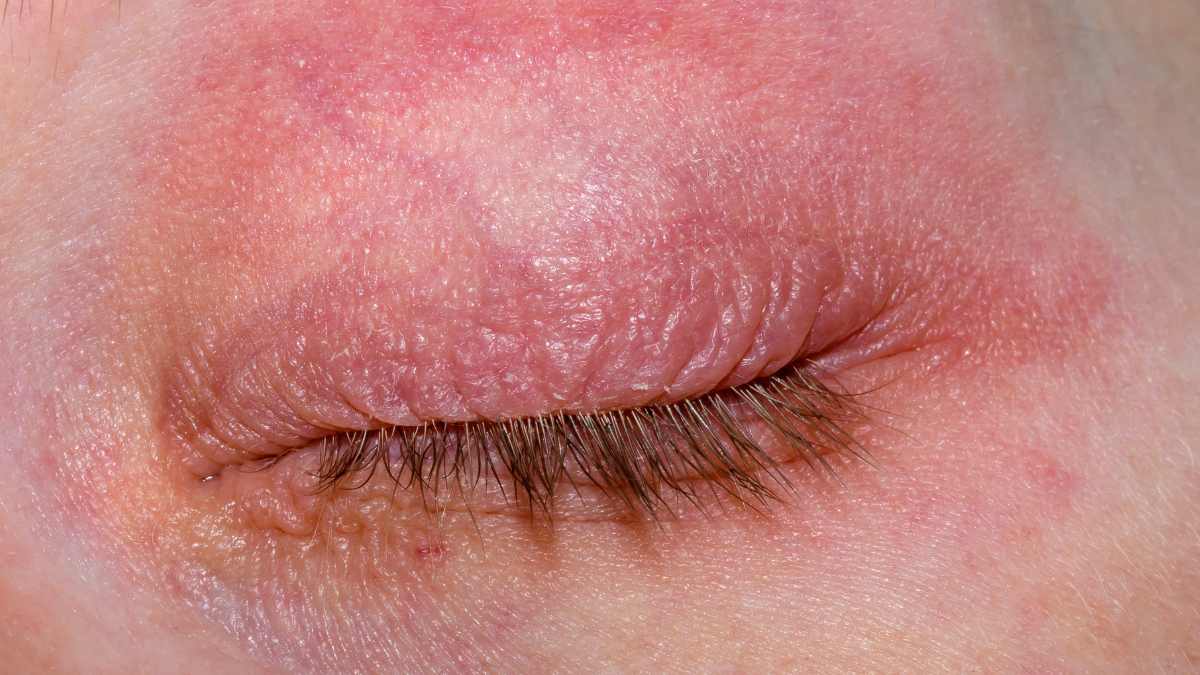

Is Hydrogen Peroxide Good for Skin Rashes?
Introduction:
Hydrogen peroxide is a common antiseptic widely used in households and medical settings. Its antimicrobial properties have made it a popular choice for cleaning wounds and preventing infections. However, its application in dermatology, particularly for skin rashes, raises questions about its effectiveness and safety. This article delves into the properties of hydrogen peroxide, its mechanisms of action on the skin, potential benefits and risks, clinical evidence, and recommendations for safe use.
Understanding Hydrogen Peroxide and Its Properties in Dermatology
Hydrogen peroxide (H₂O₂) is a pale blue liquid that appears colorless in dilute solutions. It is a strong oxidizing agent, which means it can kill bacteria, viruses, and fungi by disrupting their cellular structures. In dermatology, it is primarily used for its antiseptic and disinfectant properties. When applied to the skin, hydrogen peroxide releases oxygen, which contributes to its antimicrobial effects.
The concentration of hydrogen peroxide is crucial for its effectiveness and safety. Commonly available solutions range from 3% to 10%, with higher concentrations used in medical settings for specific applications. The lower concentrations are often recommended for topical use, as they are less likely to cause irritation or damage to healthy skin.
In addition to its antimicrobial properties, hydrogen peroxide also has bleaching effects, which can lighten hyperpigmented areas of the skin. This property can be beneficial in treating certain skin conditions, although it may not be suitable for all types of rashes.
Despite its widespread use, the application of hydrogen peroxide on the skin should be approached with caution. Understanding its properties and potential effects is essential for safe and effective use in dermatological contexts.
Mechanisms of Action: How Hydrogen Peroxide Affects Skin
The primary mechanism by which hydrogen peroxide exerts its effects on the skin is through oxidation. When applied topically, it breaks down into water and oxygen, releasing free radicals that attack bacterial cell walls. This oxidative stress can effectively kill pathogens, making it a potential treatment for infected skin rashes.
Additionally, hydrogen peroxide can promote debridement, the process of removing dead or damaged tissue. This can be particularly beneficial in cases of infected wounds or rashes, as it helps to clear away debris and promote healing. However, excessive application can also damage healthy skin cells, leading to irritation and delayed healing.
Another mechanism of action involves the modulation of the skin’s immune response. Hydrogen peroxide can stimulate the production of cytokines, which are signaling molecules that help regulate inflammation and immune responses. This can potentially aid in reducing inflammation associated with skin rashes.
However, the concentration and duration of exposure are critical factors in determining the overall effect of hydrogen peroxide on the skin. While it can be beneficial in controlled doses, inappropriate use can lead to adverse effects.
Potential Benefits of Hydrogen Peroxide for Skin Rashes
Hydrogen peroxide may offer several benefits for treating skin rashes, particularly those associated with bacterial infections. Its antimicrobial properties can help eliminate pathogens that contribute to inflammation and discomfort. This makes it a viable option for conditions like impetigo, folliculitis, and other superficial skin infections.
Moreover, hydrogen peroxide can aid in the cleaning and debridement of infected areas. By removing dead tissue and debris, it can create a more conducive environment for healing. This is particularly important for rashes that are prone to secondary infections.
In some cases, hydrogen peroxide may also provide symptomatic relief by reducing redness and swelling. The rapid action against bacteria can alleviate some of the discomfort associated with inflamed skin, making it a useful adjunct in managing rashes.
Despite these potential benefits, it is essential to recognize that hydrogen peroxide is not a one-size-fits-all solution. Its effectiveness can vary depending on the type of rash and individual skin sensitivity, necessitating a cautious approach.
Risks and Side Effects of Using Hydrogen Peroxide Topically
While hydrogen peroxide has its benefits, it is not without risks. One of the primary concerns is skin irritation, which can manifest as redness, burning, or stinging upon application. This is particularly true for individuals with sensitive skin or those using higher concentrations of the solution.
Another significant risk is the potential for delayed wound healing. Although hydrogen peroxide can clean wounds, its oxidative properties can also damage healthy skin cells, leading to prolonged recovery times. This is especially concerning for chronic skin conditions or rashes that require careful management.
There is also the possibility of allergic reactions. Some individuals may develop contact dermatitis after using hydrogen peroxide, resulting in further irritation and discomfort. It is crucial to perform a patch test before widespread application to determine individual tolerance.
Lastly, overuse of hydrogen peroxide can lead to disruption of the skin barrier, increasing susceptibility to infections and other dermatological issues. Therefore, it is vital to use this agent judiciously and under the guidance of a healthcare professional.
Clinical Evidence: Studies on Hydrogen Peroxide and Skin Health
Research on the use of hydrogen peroxide in dermatology has produced mixed results. Some studies support its effectiveness as an antiseptic for treating skin infections, while others highlight its potential for causing irritation and delaying healing. For instance, a study published in the Journal of Dermatological Treatment found that low concentrations of hydrogen peroxide could effectively reduce bacterial counts in infected wounds without significant irritation.
Conversely, research published in the International Journal of Dermatology cautioned against the use of hydrogen peroxide for chronic skin conditions due to its potential to exacerbate irritation and disrupt the skin barrier. This underscores the importance of considering individual skin types and conditions when recommending hydrogen peroxide as a treatment option.
Additionally, a systematic review of antiseptics in wound care indicated that while hydrogen peroxide has antimicrobial properties, it may not be the most effective choice compared to other agents like silver sulfadiazine or iodine-based solutions. This suggests that while hydrogen peroxide can be useful in specific scenarios, it may not always be the best option for skin rashes.
Overall, the clinical evidence indicates that hydrogen peroxide can be beneficial in certain contexts, but its use should be carefully evaluated based on individual circumstances and the nature of the skin condition.
Recommendations for Safe Use of Hydrogen Peroxide on Skin
To maximize the benefits of hydrogen peroxide while minimizing risks, it is essential to follow specific guidelines for safe use. First, always opt for diluted solutions (3% or lower) for topical application. Higher concentrations should be reserved for professional use in clinical settings.
Before applying hydrogen peroxide to a rash, perform a patch test on a small area of skin to check for any adverse reactions. If irritation occurs, discontinue use immediately. It is also advisable to limit the frequency of application to avoid skin damage and irritation.
When using hydrogen peroxide, apply it gently with a clean cotton ball or swab, avoiding excessive rubbing or scrubbing. After application, monitor the affected area for any signs of worsening irritation or allergic reaction. If symptoms persist or worsen, seek advice from a healthcare professional.
Lastly, consider combining hydrogen peroxide with other treatments recommended by a dermatologist. This can enhance therapeutic outcomes while reducing the risk of adverse effects. Always consult a healthcare provider before starting any new treatment regimen for skin rashes.
Conclusions:
Hydrogen peroxide can be a useful tool in managing certain skin rashes, particularly those associated with bacterial infections. Its antimicrobial properties and ability to promote debridement can aid in healing. However, the potential for irritation and delayed healing necessitates a cautious approach. Individual skin sensitivity and the specific nature of the rash should guide its use. Consulting a healthcare professional is advisable to ensure safe and effective treatment.
Read more
-
PubMed Central – Hydrogen Peroxide: A Review of Its Use in Wound Care
This article reviews the role of hydrogen peroxide in wound care, discussing its benefits and drawbacks in various clinical contexts. -
American Academy of Dermatology – Antiseptics and Wound Care
The AAD provides guidelines on wound care and the use of antiseptics, including hydrogen peroxide, highlighting best practices. -
International Journal of Dermatology – The Efficacy of Antiseptics in Wound Management
This study evaluates various antiseptics, including hydrogen peroxide, and their effectiveness in managing skin wounds. -
Journal of Dermatological Treatment – The Role of Hydrogen Peroxide in Infection Control
This research article discusses the role of hydrogen peroxide in controlling infections and its implications for dermatological practice. -
Mayo Clinic – Skin Rashes: Causes and Treatments
The Mayo Clinic provides an overview of skin rashes, their causes, and treatment options, including the use of antiseptics like hydrogen peroxide.