

Introduction:
Rashes can be a source of concern for many individuals, often leading to questions about their origin and potential implications for health. Among the various causes of rashes, viral infections are common culprits. Understanding whether a rash is caused by a virus or another factor is crucial for appropriate management and treatment. This article aims to provide a comprehensive overview of rashes, focusing on viral causes, their characteristics, diagnostic approaches, and treatment options.
Understanding Rashes: Differentiating Causes and Symptoms
Rashes can manifest in various forms, including redness, bumps, blisters, and scaling, and can occur due to a multitude of factors. Identifying the underlying cause is essential for effective treatment. Rashes may result from allergic reactions, irritants, infections, autoimmune conditions, or even systemic diseases. Each cause presents with unique symptoms that can help in distinguishing between them.
Viral rashes often accompany other systemic symptoms, such as fever, fatigue, or malaise. Understanding the context in which a rash appears is vital. For instance, a rash that develops after exposure to a known allergen is likely allergic in nature, while one that coincides with flu-like symptoms may suggest a viral infection.
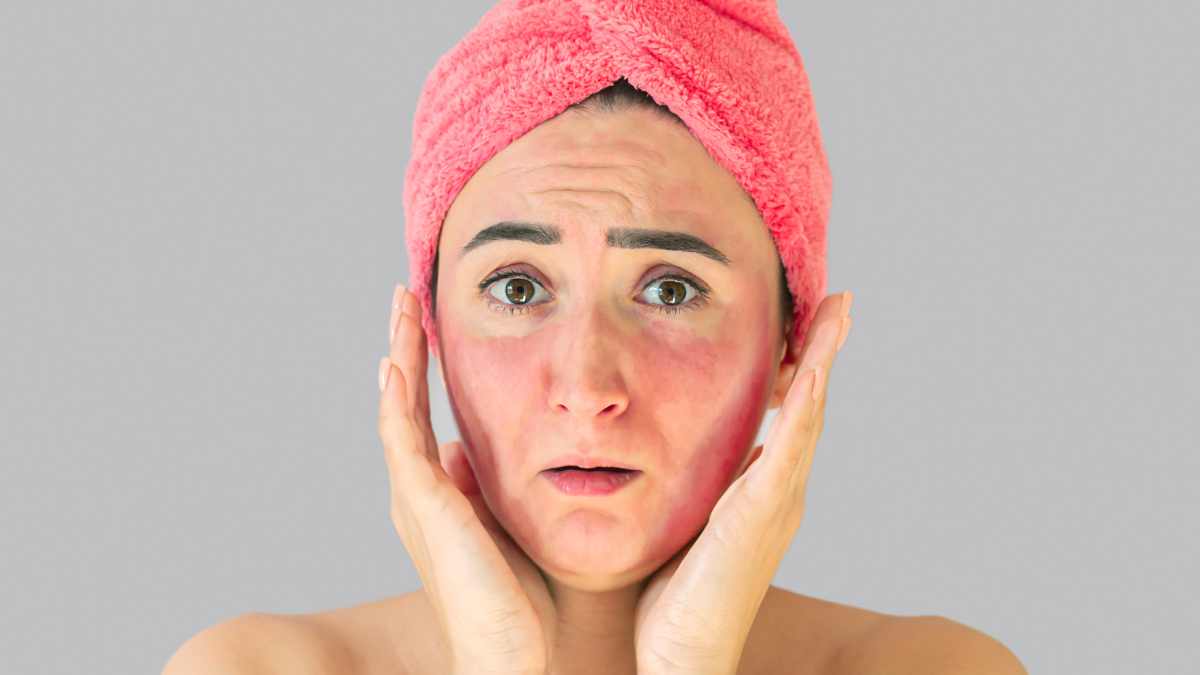
In addition to the accompanying symptoms, the appearance of the rash itself can provide clues. For example, rashes associated with viral infections often have a distinct pattern, such as the characteristic "slapped cheek" appearance in fifth disease or the widespread, maculopapular rash seen in measles. Recognizing these patterns can aid in narrowing down the potential causes of a rash.
Ultimately, a thorough assessment of the rash’s characteristics, duration, and associated symptoms is necessary for determining whether it is likely viral or caused by another factor. This understanding lays the groundwork for further investigation and management.
Common Viral Infections That Present with Rashes
Several viral infections are known to cause rashes, each with unique presentations. Measles, rubella, and chickenpox are classic examples of viral illnesses that typically present with rashes. Measles, for instance, starts with a high fever and respiratory symptoms, followed by a distinctive red, blotchy rash that usually begins on the face and spreads downward.
Another common viral infection that causes a rash is varicella zoster virus, which leads to chickenpox. The rash associated with chickenpox is characterized by itchy, fluid-filled blisters that eventually crust over. This rash typically appears in waves, often accompanied by fever and malaise.
Fifth disease, caused by parvovirus B19, is another viral infection that presents with a rash. It is particularly notable for its "slapped cheek" appearance in children, often accompanied by mild fever and joint pain. Understanding these common viral infections can help individuals recognize potential symptoms early.
Lastly, viral exanthems, such as those caused by enteroviruses, can also lead to rashes. These rashes may vary in appearance and can occur alongside gastrointestinal symptoms. Awareness of these viral conditions is essential for timely diagnosis and management.
Key Characteristics of Viral Rashes to Identify
Viral rashes exhibit specific characteristics that can help differentiate them from other types of rashes. One of the hallmark features of viral rashes is their progression. For instance, rashes associated with measles typically evolve from small red spots to larger blotches over a few days, often starting behind the ears and moving downwards.
Another key characteristic is the accompanying systemic symptoms. Many viral rashes are preceded or accompanied by fever, fatigue, and respiratory symptoms. This systemic involvement often helps in identifying the rash as viral in nature. For example, rubella is often accompanied by mild fever and lymphadenopathy before the rash appears.
The distribution of the rash is also significant. Viral rashes often have a symmetrical distribution and can appear on the trunk and extremities. In contrast, rashes caused by allergic reactions may be localized to areas of contact with the allergen.
Additionally, the texture and appearance of the rash can vary. Viral rashes may be maculopapular, vesicular, or even petechial, depending on the specific virus involved. Recognizing these characteristics can assist healthcare providers in making an accurate diagnosis.
Diagnostic Approaches for Viral versus Non-Viral Rashes
When evaluating a rash, healthcare providers employ various diagnostic approaches to determine its cause. A thorough patient history is essential, including inquiries about recent illnesses, exposures, and any medications taken. This information can provide critical insights into whether the rash may be viral or due to another cause.
Physical examination plays a vital role in the diagnostic process. Providers assess the rash’s characteristics, distribution, and associated symptoms to form a differential diagnosis. In cases where the rash is suspected to be viral, additional tests may be warranted, such as serological tests or polymerase chain reaction (PCR) assays to identify specific viral pathogens.
In some instances, a skin biopsy may be necessary to differentiate between viral and non-viral rashes. Histological examination can reveal specific changes associated with viral infections, aiding in diagnosis.
Ultimately, a combination of clinical evaluation and laboratory testing is often required to confirm the diagnosis and guide appropriate treatment. Collaboration between healthcare providers and patients is crucial in ensuring accurate diagnosis and management of rashes.
When to Seek Medical Attention for a Rash
While many rashes are benign and self-limiting, certain signs and symptoms warrant prompt medical attention. If a rash is accompanied by severe symptoms, such as high fever, difficulty breathing, or swelling of the face or throat, immediate medical evaluation is essential. These symptoms may indicate a serious allergic reaction or systemic infection.
Additionally, rashes that spread rapidly or appear suddenly should be evaluated by a healthcare provider. A sudden onset of a widespread rash, especially in conjunction with other systemic symptoms, may suggest a viral infection that requires treatment or monitoring.
Rashes that do not improve or worsen over time should also be assessed. Persistent rashes that last longer than a few days, especially if accompanied by fever or other concerning symptoms, may require further investigation to rule out underlying conditions.
Finally, individuals with weakened immune systems or chronic health issues should seek medical advice for any new rash. These individuals may be at higher risk for complications from viral infections, making timely evaluation critical.
Treatment Options for Viral Rashes: What to Expect
Treatment for viral rashes primarily focuses on symptom management, as most viral infections are self-limiting. Over-the-counter medications such as antihistamines or acetaminophen can help alleviate itching and reduce fever. In cases of severe discomfort, a healthcare provider may prescribe topical corticosteroids or other medications to manage symptoms.
Hydration is also crucial during viral infections. Ensuring adequate fluid intake can help support the immune system and promote recovery. In some cases, antiviral medications may be indicated, particularly for infections like herpes simplex or varicella zoster, where specific treatments can reduce the severity and duration of the illness.
It is important to note that antibiotics are ineffective against viral infections. Healthcare providers will typically avoid prescribing antibiotics unless there is a secondary bacterial infection that requires treatment.
In summary, while many viral rashes resolve on their own, supportive care and monitoring are essential. Patients should remain vigilant for any changes in symptoms and communicate with their healthcare provider to ensure appropriate management.
Conclusions:
Understanding the nature of rashes, particularly those caused by viral infections, is important for effective management and treatment. By recognizing the characteristics of viral rashes, differentiating them from non-viral causes, and knowing when to seek medical attention, individuals can navigate their health concerns more effectively. Awareness of treatment options also empowers patients to engage in their care actively.
Read more
- Mayo Clinic – Rashes – Comprehensive overview of various types of rashes, their causes, and treatment options.
- WebMD – Viral Rashes – Detailed information on viral rashes, including symptoms and management strategies.
- CDC – Measles – Information on measles, including symptoms, complications, and prevention strategies.
- American Academy of Dermatology – Rashes – Educational resources about different types of rashes and when to see a dermatologist.
- Healthline – Viral Infections – Overview of viral infections, their symptoms, and treatment options.