

Introduction:
Neosporin is a well-known topical antibiotic ointment, primarily used to prevent infections in minor cuts, scrapes, and burns. However, its application extends beyond these traditional uses, leading many to wonder about its effectiveness for treating rashes. Rashes can arise from various causes, and understanding the appropriate treatment options is crucial for effective management. This article delves into the composition and mechanism of action of Neosporin, the common types of rashes, its efficacy for rash treatment, potential risks, alternative treatments, and when to seek professional medical advice.
Understanding Neosporin: Composition and Mechanism of Action
Neosporin is a combination of three active ingredients: bacitracin, neomycin, and polymyxin B. Each of these components plays a specific role in combating bacterial infections. Bacitracin disrupts bacterial cell wall synthesis, neomycin interferes with protein synthesis, and polymyxin B disrupts the integrity of bacterial cell membranes. Together, these antibiotics provide a broad spectrum of activity against various gram-positive and gram-negative bacteria.
When applied topically, Neosporin works by creating an environment that is inhospitable to bacteria, thereby reducing the risk of infection in minor wounds. The ointment forms a protective barrier over the skin, which can also help to keep the area moist, potentially aiding in the healing process. However, it is important to note that Neosporin does not address the underlying causes of rashes, such as allergies or irritants, which may require different treatment approaches.
The mechanism of action of Neosporin is primarily antibacterial, but it does not possess anti-inflammatory properties. This is a critical distinction because many rashes are characterized by inflammation, redness, and discomfort, which Neosporin alone cannot alleviate. Understanding this limitation is essential for anyone considering Neosporin as a treatment option for rashes.
In summary, while Neosporin is effective in preventing infections in minor skin injuries, its composition and mechanism of action do not make it a comprehensive solution for all types of rashes. The specific characteristics of the rash must be considered when determining the most appropriate treatment.
Common Types of Rashes: Causes and Symptoms Explained
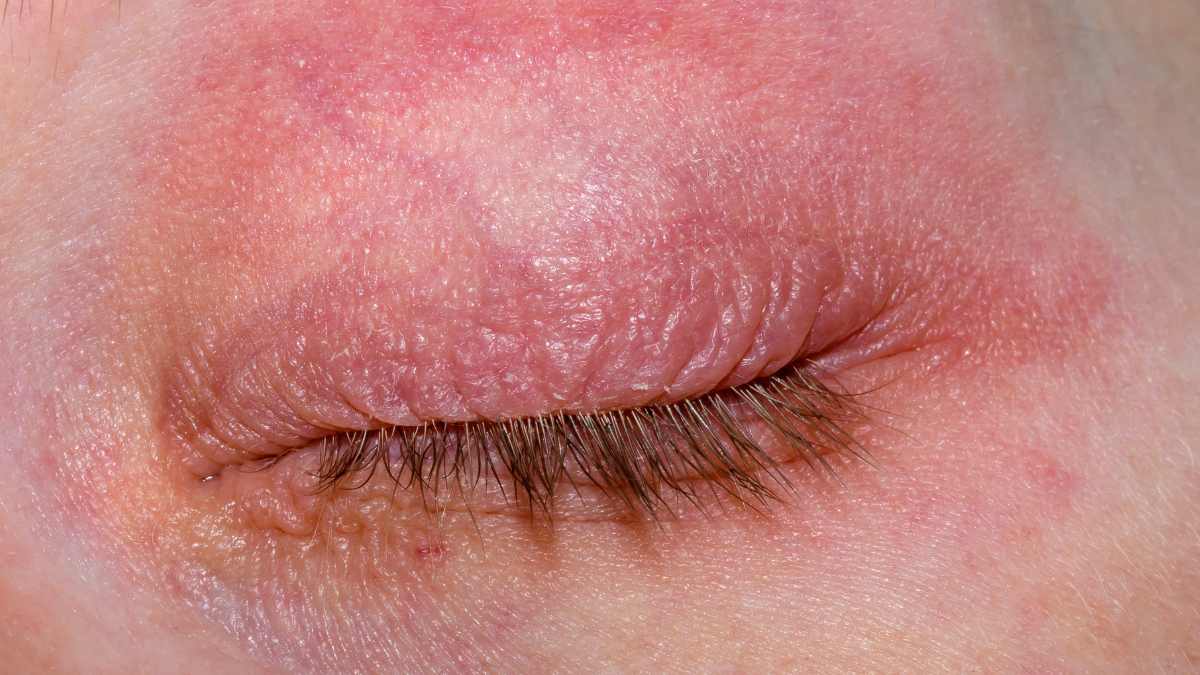
Rashes can manifest in various forms, including eczema, contact dermatitis, hives, and psoriasis. Each type has distinct causes and symptoms. Eczema, for example, is often triggered by allergens or irritants, leading to dry, itchy, and inflamed skin. It is commonly seen in children but can affect individuals of any age. Symptoms may include redness, scaling, and oozing in severe cases.
Contact dermatitis occurs when the skin comes into direct contact with an irritant or allergen. Common culprits include soaps, cosmetics, and certain plants like poison ivy. Symptoms typically include localized redness, swelling, and itching. Hives, or urticaria, are raised, itchy welts that can appear suddenly due to allergic reactions or stress. They can vary in size and may change shape or disappear quickly.
Psoriasis is a chronic autoimmune condition that leads to the rapid buildup of skin cells, forming scales and red patches that can be itchy and sometimes painful. It often requires long-term management strategies, including topical treatments, phototherapy, or systemic medications. Understanding the specific type of rash is crucial for effective treatment, as the underlying causes and appropriate interventions can differ significantly.
In conclusion, recognizing the type of rash and its symptoms is vital for determining the best course of action. While Neosporin may be beneficial for preventing infection in some cases, it is not a one-size-fits-all solution for the diverse array of rashes that individuals may encounter.
Evaluating Neosporin’s Efficacy for Rash Treatment
When evaluating Neosporin’s efficacy for treating rashes, it is essential to consider the specific characteristics of the rash. For rashes caused by minor skin injuries, such as abrasions or small cuts, Neosporin can be beneficial in preventing secondary bacterial infections. However, for rashes primarily caused by allergic reactions or irritants, the antibacterial properties of Neosporin may not provide significant relief.
In cases of eczema or contact dermatitis, the primary issue often revolves around inflammation and irritation rather than infection. While Neosporin may help prevent infection in open areas, it does not address the underlying inflammation that causes discomfort and itching. Therefore, individuals suffering from these types of rashes may find more relief from topical corticosteroids or antihistamines.
Moreover, the application of Neosporin on rashes may lead to a false sense of security. Users might assume that by applying the ointment, they are treating the rash effectively, when in fact, they may be neglecting other necessary treatments. This can lead to prolonged discomfort and worsening of the rash if the underlying cause is not addressed.
In summary, while Neosporin can be effective for preventing infection in certain situations, its efficacy for treating rashes is limited. It is crucial to identify the type of rash and its underlying causes to determine the most appropriate treatment options.
Potential Risks and Side Effects of Neosporin Use
While Neosporin is generally considered safe for topical use, there are potential risks and side effects that users should be aware of. One of the most common concerns is the possibility of developing an allergic reaction to one of its components, particularly neomycin. Symptoms of an allergic reaction may include redness, itching, and swelling at the application site. In some cases, this can lead to contact dermatitis, which may exacerbate the rash rather than alleviate it.
Another risk associated with Neosporin is the potential for antibiotic resistance. Overuse of topical antibiotics can contribute to the development of resistant bacterial strains, making future infections more difficult to treat. This is particularly concerning in a healthcare environment where antibiotic resistance is a growing problem.
Additionally, prolonged use of Neosporin on rashes may lead to skin irritation or sensitization. If the ointment is applied to already inflamed skin, it may worsen the irritation and delay healing. Therefore, it is essential to monitor the skin’s response to the ointment and discontinue use if adverse reactions occur.
In conclusion, while Neosporin can be a useful tool for preventing infections in minor wounds, it is not without risks. Users should be cautious about its application on rashes, particularly if they have a history of allergies or skin sensitivities.
Alternative Treatments for Rashes: A Comparative Analysis
When considering alternative treatments for rashes, several options can be more effective than Neosporin, depending on the underlying cause. For example, topical corticosteroids are commonly prescribed for inflammatory rashes such as eczema and psoriasis. These medications work by reducing inflammation and alleviating itching, providing more targeted relief than Neosporin.
Antihistamines can also be beneficial for rashes caused by allergic reactions, such as hives. Oral antihistamines help control itching and reduce the body’s histamine response, providing symptomatic relief. In cases of contact dermatitis, avoiding the irritant or allergen is crucial, and topical treatments that soothe the skin, such as calamine lotion or hydrocortisone cream, may be more appropriate than Neosporin.
For severe or chronic rashes, dermatologists may recommend phototherapy or systemic medications, such as immunosuppressants or biologics, to manage symptoms effectively. These treatments are tailored to the individual’s specific condition and can provide significant relief when topical treatments fail.
In summary, while Neosporin may have a role in preventing infections in minor wounds, there are numerous alternative treatments available that can provide more effective relief for various types of rashes. It is essential to consult with a healthcare professional to determine the most appropriate treatment based on the specific characteristics of the rash.
When to Consult a Healthcare Professional for Rashes
Consulting a healthcare professional is advisable when dealing with rashes, especially if they persist, worsen, or are accompanied by other concerning symptoms. Individuals should seek medical advice if a rash is widespread, shows signs of infection (such as increased redness, warmth, swelling, or pus), or is associated with fever or systemic symptoms. These could indicate a more serious underlying condition that requires prompt attention.
Additionally, if over-the-counter treatments, including Neosporin, do not provide relief within a few days, it is essential to consult a healthcare provider. Persistent rashes may require a more comprehensive evaluation to determine the underlying cause and appropriate treatment options.
For individuals with a history of severe allergic reactions or skin conditions, seeking professional guidance is crucial. A dermatologist can perform a thorough assessment, potentially including allergy testing, to identify triggers and recommend effective treatment strategies tailored to the individual’s needs.
In conclusion, while many rashes can be managed at home, there are specific situations where professional consultation is warranted. Early intervention can lead to better outcomes and prevent complications associated with untreated or improperly managed rashes.
Conclusions:
In summary, while Neosporin is a widely used topical antibiotic ointment, its efficacy for treating rashes is limited. Understanding the composition and mechanism of action of Neosporin, as well as the various types of rashes and their causes, is crucial for effective treatment. While Neosporin may prevent infection in minor wounds, it does not address the underlying causes of most rashes, which often require different treatment approaches. Users should be aware of the potential risks and side effects associated with Neosporin and consider alternative treatments that may provide more effective relief. Consulting a healthcare professional is essential for persistent or severe rashes to ensure appropriate care.
Read more
- Mayo Clinic: Eczema – Comprehensive overview of eczema, its causes, symptoms, and treatment options.
- American Academy of Dermatology: Contact Dermatitis – Detailed information on contact dermatitis, including triggers and management strategies.
- Cleveland Clinic: Hives (Urticaria) – Insights into hives, their causes, symptoms, and treatment options.
- National Psoriasis Foundation: Psoriasis – In-depth resource on psoriasis, its symptoms, and treatment approaches.
- WebMD: Neosporin – Overview of Neosporin, including its uses, side effects, and precautions.