

Se hai un abbonamento attivo ACCEDI QUI
Introduction:
Respiratory Syncytial Virus (RSV) is a common viral infection that primarily affects the respiratory system, particularly in infants and young children. While the primary symptoms of RSV are respiratory in nature, some patients may also experience skin manifestations, including a rash. This article delves into the characteristics of RSV rash, its itchiness, and how it compares to other skin conditions, while also providing management strategies for affected individuals.
Understanding RSV: Overview of Respiratory Syncytial Virus
Respiratory Syncytial Virus is a highly contagious virus that can lead to severe respiratory illness, particularly in infants, the elderly, and those with compromised immune systems. It is transmitted through respiratory droplets, making it easy to spread in crowded environments such as daycare centers and nursing homes. RSV is the leading cause of bronchiolitis and pneumonia in children under one year of age. The virus typically circulates in seasonal outbreaks, with peak incidence occurring during the fall and winter months.
Upon infection, RSV can cause inflammation and obstruction of the small airways in the lungs, leading to difficulty breathing and wheezing. The virus can survive on surfaces for several hours, increasing the risk of transmission. This highlights the importance of hygiene practices, such as regular handwashing and sanitizing surfaces, to prevent the spread of RSV. Understanding the nature of RSV is crucial for recognizing its symptoms and potential complications.
In addition to respiratory symptoms, RSV can also lead to systemic effects, including fever and malaise. In some cases, patients may develop a rash, which can complicate the clinical picture. The presence of a rash in RSV cases is not as widely recognized as respiratory symptoms, making it essential for healthcare providers to be aware of this potential manifestation.
Finally, the impact of RSV extends beyond immediate health concerns. The economic burden associated with RSV infections, including hospitalizations and outpatient visits, is significant. This underscores the need for effective prevention and management strategies to mitigate the effects of this viral infection.
Identifying Symptoms: Common Signs of RSV Infection
The symptoms of RSV infection typically begin with mild cold-like signs, such as a runny nose, cough, and fever. As the infection progresses, symptoms may escalate to include wheezing, difficulty breathing, and rapid breathing. Infants may exhibit signs of distress, such as flaring nostrils or retractions of the chest wall. Recognizing these symptoms early is crucial for timely intervention.
In addition to respiratory symptoms, some patients may experience gastrointestinal symptoms, such as vomiting and diarrhea. These symptoms can further complicate the clinical picture, especially in young children. It is essential for caregivers to monitor their children closely for any signs of dehydration or worsening respiratory distress.
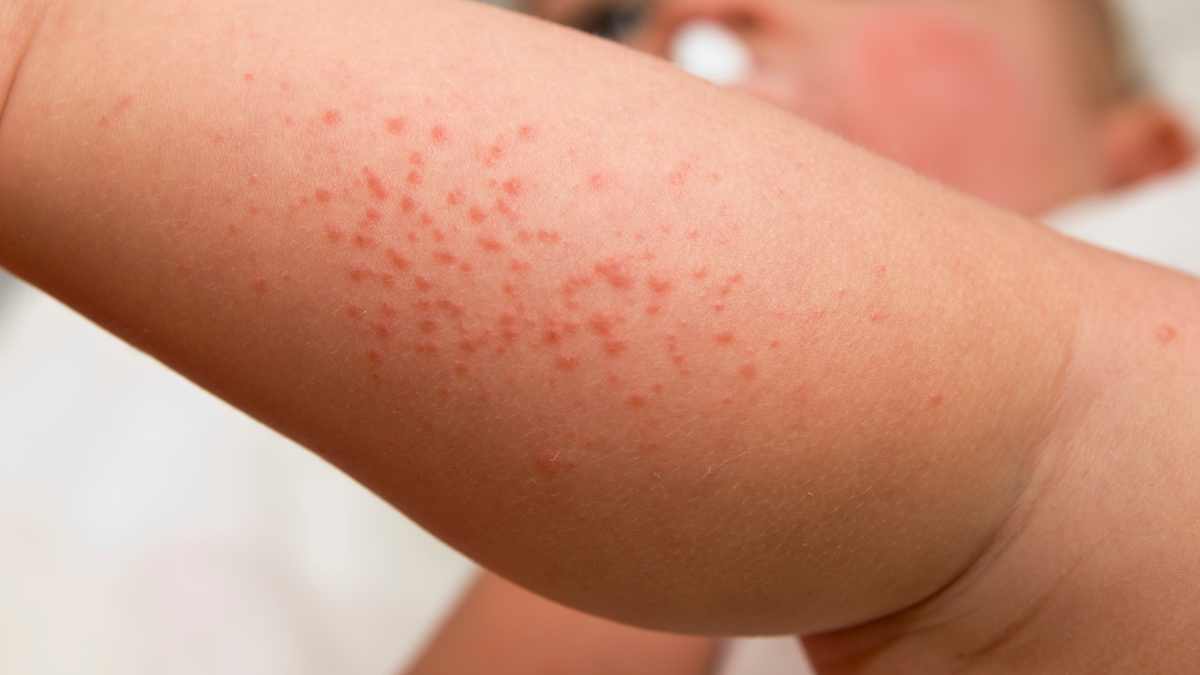
The presence of a rash in RSV cases may vary in presentation, from mild erythema to more pronounced hives or maculopapular lesions. The rash may appear suddenly and can be accompanied by fever or other systemic symptoms. Understanding the full range of symptoms associated with RSV is vital for accurate diagnosis and management.
Finally, it is important to note that not all individuals infected with RSV will exhibit the same symptoms. The severity of symptoms can vary widely based on factors such as age, underlying health conditions, and the presence of co-infections. This variability can complicate the diagnostic process and necessitates a thorough evaluation by healthcare professionals.
The Nature of RSV Rash: Characteristics and Presentation
The rash associated with RSV infection can manifest in various forms, including maculopapular eruptions, urticaria, or even vesicular lesions. Typically, the rash is not the primary concern in RSV cases, but it can be distressing for patients and caregivers. The appearance of the rash may coincide with the onset of respiratory symptoms or may develop independently.
In most cases, the rash is transient and resolves as the underlying viral infection improves. However, the characteristics of the rash can provide valuable information for healthcare providers. For instance, a maculopapular rash may suggest a viral etiology, while urticaria could indicate an allergic reaction or hypersensitivity.
The distribution of the rash can also vary, often appearing on the trunk and extremities. In some cases, the rash may be more pronounced in areas of friction or pressure. This can lead to confusion regarding the cause of the rash, particularly in patients with other concurrent illnesses.
It is crucial for healthcare providers to assess the rash’s characteristics, including its onset, duration, and associated symptoms, to differentiate it from other skin conditions. A comprehensive evaluation can help guide appropriate management and reassure patients and families.
Itchiness in RSV Rash: Exploring Patient Experiences
One of the common questions surrounding the rash associated with RSV is whether it is itchy. Patient experiences can vary widely, with some individuals reporting significant itchiness while others do not. Itchiness may depend on the rash’s specific characteristics, such as its type and severity.
In cases where the rash resembles urticaria, patients are more likely to experience itchiness. Urticaria is characterized by raised, itchy welts on the skin, which can be particularly uncomfortable. Conversely, maculopapular rashes may not elicit the same level of discomfort, leading to a more variable patient experience.
The psychological impact of an itchy rash should not be underestimated. Itchiness can lead to increased anxiety and discomfort, particularly in young children who may not fully understand the cause of their symptoms. Caregivers often find themselves in a challenging position, trying to manage both the physical and emotional aspects of the rash.
Ultimately, it is important for healthcare providers to address patients’ concerns regarding itchiness. Providing reassurance and effective management strategies can significantly improve the overall experience for patients and their families.
Differential Diagnosis: RSV Rash Versus Other Skin Conditions
When evaluating a rash in the context of RSV infection, it is essential to consider other potential causes. Differential diagnosis is crucial to ensure appropriate management and avoid misdiagnosis. Conditions such as allergic reactions, eczema, and other viral exanthems may present with similar skin findings.
Allergic reactions can manifest as urticaria or contact dermatitis, often triggered by medications or environmental allergens. In such cases, a thorough history and examination are necessary to identify potential allergens. Differentiating between an allergic rash and one associated with RSV is vital for effective treatment.
Eczema, or atopic dermatitis, is another condition that may present with a rash in young children. This chronic skin condition is characterized by dry, itchy patches and can be exacerbated by viral infections. Understanding the patient’s history and any previous skin conditions can aid in making an accurate diagnosis.
Finally, other viral infections, such as measles or chickenpox, can also present with rashes. A careful review of the patient’s vaccination history and exposure to other infectious agents is essential for distinguishing these conditions. Accurate diagnosis is key to ensuring that patients receive the most appropriate care.
Management Strategies: Treating Itchy Rash in RSV Cases
Managing an itchy rash associated with RSV involves a multifaceted approach. The primary goal is to alleviate discomfort while addressing the underlying viral infection. Antihistamines may be used to reduce itchiness, particularly in cases where urticaria is present.
Topical treatments, such as corticosteroid creams, can also be effective in managing localized inflammation and itchiness. These treatments should be used judiciously, particularly in young children, to avoid potential side effects. It is essential for caregivers to follow healthcare providers’ recommendations regarding the use of topical agents.
In addition to pharmacologic interventions, non-pharmacologic strategies can also be beneficial. Keeping the skin moisturized and cool can help alleviate itchiness and prevent further irritation. Gentle bathing practices and the use of mild soaps can also contribute to skin comfort.
Finally, education and support for caregivers are crucial components of management. Providing information about the nature of the rash and its expected course can help alleviate anxiety and empower families to manage symptoms effectively. Ongoing communication with healthcare providers can ensure that any concerns are addressed promptly.
Conclusions:
RSV is a significant viral infection that can lead to various symptoms, including respiratory distress and skin rashes. Understanding the nature of the rash, its potential itchiness, and how it compares to other skin conditions is essential for effective management. By employing appropriate treatment strategies and providing support to patients and caregivers, healthcare providers can help alleviate discomfort and improve the overall experience for those affected by RSV.
Read more
-
Centers for Disease Control and Prevention (CDC) – RSV Overview
This page provides a comprehensive overview of RSV, including its symptoms, transmission, and prevention strategies. -
American Academy of Pediatrics – Respiratory Syncytial Virus
This article discusses the clinical features and management of RSV infections in children. -
Mayo Clinic – RSV Symptoms and Causes
This resource outlines the symptoms and causes of RSV, along with treatment options. -
National Institutes of Health – RSV and Its Impact
This article discusses the impact of RSV infections on children and the importance of research in this area. -
WebMD – Understanding RSV in Children
This resource provides insights into RSV in children, including symptoms, diagnosis, and treatment options.