
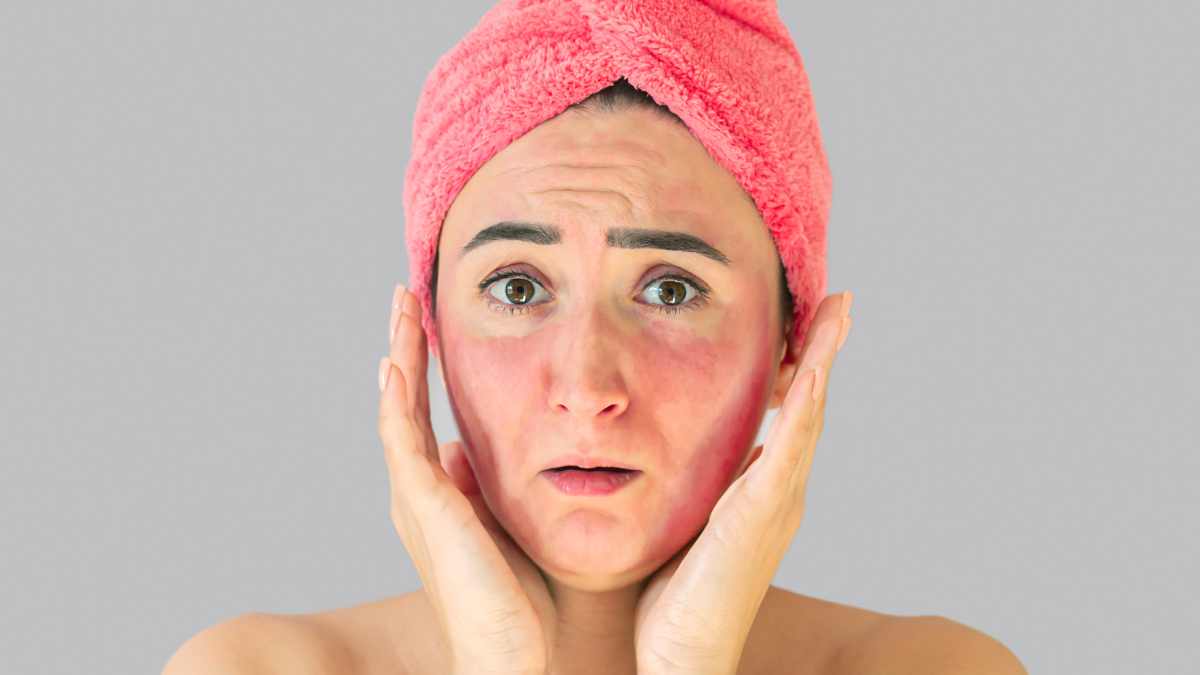

Introduction:
Eczema, or atopic dermatitis, is a chronic inflammatory skin condition characterized by dry, itchy, and inflamed skin. While it is a well-defined condition, various other skin disorders can present with similar symptoms, leading to confusion in diagnosis and treatment. Understanding the nuances of eczema and its look-alikes is crucial for effective management. This article explores the characteristics of eczema, examines common skin conditions that mimic its presentation, and discusses differential diagnosis, clinical features, diagnostic approaches, and treatment strategies.
Understanding Eczema: Characteristics and Symptoms Explained
Eczema is primarily characterized by dryness, redness, and intense itching. The affected skin may also exhibit scaling, crusting, and sometimes oozing, particularly during flare-ups. These symptoms can significantly impact the quality of life, leading to sleep disturbances and emotional distress. In children, eczema often appears on the face, scalp, and extensor surfaces, while in adults, it typically affects the flexural areas such as the elbows and knees.
The itch-scratch cycle is a hallmark of eczema, where itching leads to scratching, which in turn exacerbates the inflammation and further intensifies the itch. This cycle can create a vicious loop, making management challenging. The condition can also be associated with other atopic disorders, such as asthma and allergic rhinitis, indicating a broader systemic issue related to immune dysregulation.
Eczema can manifest in several forms, including chronic, acute, and subacute presentations. Chronic eczema often appears thickened and leathery due to prolonged scratching, while acute eczema may present with vesicles and weeping lesions. The variability in presentation can complicate diagnosis, particularly when distinguishing it from other skin conditions.
Understanding the triggers is also essential for managing eczema. Common triggers include environmental factors such as allergens, irritants, temperature changes, and stress. Identifying and avoiding these triggers can help reduce the frequency and severity of flare-ups, making it a critical aspect of comprehensive eczema management.
Common Skin Conditions That Mimic Eczema Presentation
Several skin conditions can mimic the appearance of eczema, leading to misdiagnosis. Contact dermatitis, for instance, is an inflammatory reaction of the skin resulting from exposure to allergens or irritants. It can present similarly to eczema, with redness, swelling, and itching. However, contact dermatitis is typically localized to the area of exposure, whereas eczema may be more widespread.
Another condition that resembles eczema is seborrheic dermatitis, which often affects oily areas of the body, such as the scalp and face. It presents with flaky, greasy scales and can be itchy. While both conditions can coexist, seborrheic dermatitis usually has a distinct yellowish scale and is less likely to be associated with the intense itching characteristic of eczema.
Psoriasis is another skin disorder that can mimic eczema, particularly in its plaque form. Psoriasis typically presents with well-defined, raised, red patches covered with silvery scales. Unlike eczema, psoriasis is often less itchy and can be associated with joint pain in the case of psoriatic arthritis. Differentiating between these conditions is crucial for appropriate treatment.
Finally, nummular eczema, which appears as coin-shaped patches of eczema, can be mistaken for other dermatological conditions. The lesions can be intensely itchy and may become crusted or scaly, leading to confusion with other skin disorders. Recognizing these subtle differences is vital for accurate diagnosis and effective management.
Differential Diagnosis: Eczema vs. Other Rashes
Differential diagnosis is a critical aspect of dermatology, especially when dealing with rashes that resemble eczema. A thorough patient history and clinical examination are essential for distinguishing eczema from other conditions. Healthcare providers often consider factors such as the duration, location, and morphology of the lesions, as well as associated symptoms.
In cases where contact dermatitis is suspected, a detailed history of exposure to potential irritants or allergens is vital. Patch testing may be employed to identify specific allergens responsible for the reaction. Conversely, if a patient presents with a rash that appears similar to eczema but has a sudden onset, conditions like urticaria or drug reactions may be considered.
For chronic cases, a biopsy may be necessary to rule out other conditions such as lichen planus or granuloma annulare, which can have overlapping clinical features. The biopsy can provide valuable histological information that aids in diagnosis. Additionally, laboratory tests may be warranted to evaluate for systemic conditions that could be contributing to skin symptoms.
Ultimately, a comprehensive approach that includes clinical assessment, patient history, and, if necessary, diagnostic testing is essential for accurate differentiation between eczema and other similar skin conditions. This ensures that patients receive the most appropriate and effective treatment.
Clinical Features: Identifying Eczema-Like Rashes
Identifying eczema-like rashes requires careful observation of clinical features. Eczema is typically characterized by pruritus, erythema, and scaling, often with a history of atopy. The distribution of the rash can provide clues; for instance, flexural involvement is more suggestive of eczema compared to other conditions. Additionally, the presence of lichenification—thickened skin due to chronic scratching—is a strong indicator of eczema.
In contrast, seborrheic dermatitis often presents with greasy scales and may involve the scalp, face, and chest. The lesions are usually less itchy than those of eczema. On the other hand, psoriasis typically exhibits well-defined plaques with silvery scales, which can help differentiate it from eczema. The presence of nail changes, such as pitting or onycholysis, may also indicate psoriasis.
Nummular eczema, characterized by coin-shaped lesions, can be particularly challenging to distinguish from other conditions. These lesions can be very itchy and may become crusted, resembling other forms of dermatitis. However, the distinct shape and distribution can aid in diagnosis.
A careful examination of the morphology and distribution of the rash, alongside patient history, is crucial for identifying eczema-like rashes. Dermatologists often rely on their clinical experience and knowledge of dermatological conditions to make accurate assessments.
Diagnostic Approaches for Eczema and Similar Conditions
Diagnosing eczema and its mimics involves a multifaceted approach. Initially, a thorough patient history is taken to assess the onset, duration, and characteristics of the rash. The healthcare provider will inquire about any known triggers, family history of atopy, and previous treatments. This information is critical for forming a differential diagnosis.
Physical examination plays a vital role in diagnosis. Dermatologists assess the morphology, distribution, and severity of the rash. In some cases, dermoscopy may be used to provide a closer look at the skin lesions, helping to differentiate between conditions. For instance, the presence of certain vascular patterns can indicate psoriasis rather than eczema.
When the diagnosis remains uncertain, further investigations may be warranted. Skin biopsies can provide histological insights, revealing specific patterns that help differentiate between eczema and other skin disorders. Patch testing is also employed when contact dermatitis is suspected, allowing for the identification of specific allergens.
In some cases, laboratory tests may be necessary to rule out systemic conditions or infections that could mimic eczema. A comprehensive diagnostic approach ensures that patients receive an accurate diagnosis and appropriate treatment, ultimately improving their quality of life.
Treatment Strategies for Eczema and Its Look-Alikes
Treatment strategies for eczema and similar conditions typically begin with moisturization and skin care. Emollients are the cornerstone of eczema management, helping to restore the skin barrier and reduce dryness. Patients are often advised to apply moisturizers multiple times daily, particularly after bathing, to lock in moisture.
For mild to moderate eczema, topical corticosteroids are commonly prescribed to reduce inflammation and itching. The potency of the steroid may vary based on the severity of the condition and the area of the body affected. In cases where topical treatments are insufficient, calcineurin inhibitors may be used as a steroid-sparing option.
When dealing with conditions that mimic eczema, treatment may differ. For instance, seborrheic dermatitis may be treated with antifungal shampoos or topical corticosteroids, while psoriasis often requires systemic therapies or phototherapy in more severe cases.
Patient education is crucial in managing eczema and its look-alikes. Teaching patients about trigger avoidance, proper skin care routines, and the importance of adhering to treatment regimens can empower them to manage their condition effectively. A multidisciplinary approach involving dermatologists, allergists, and primary care providers may be beneficial for comprehensive care.
Conclusions:
Understanding the complexities of eczema and its mimics is essential for accurate diagnosis and effective treatment. By recognizing the clinical features, employing appropriate diagnostic approaches, and implementing tailored treatment strategies, healthcare providers can significantly improve patient outcomes. Ongoing education and awareness are vital in managing these challenging skin conditions.
Read more
- National Eczema Association – A comprehensive resource for information on eczema, including symptoms, treatment options, and research updates.
- American Academy of Dermatology – Offers guidelines and educational materials for dermatologists and patients regarding various skin conditions, including eczema.
- Mayo Clinic – Eczema – Provides an overview of eczema, including symptoms, causes, and treatment options.
- DermNet NZ – Eczema – A detailed resource on eczema and its various forms, including differential diagnosis and management strategies.
- PubMed – Eczema Research Articles – A database of peer-reviewed research articles related to eczema and its treatment, providing insights into the latest scientific findings.