

Introduction:
Skin rashes are a common dermatological issue that can arise from a variety of causes, including allergies, infections, and autoimmune disorders. With the increasing prevalence of skin conditions and the demand for immediate solutions, many individuals are turning to technology for assistance. The emergence of mobile applications designed to identify skin rashes has sparked interest and debate among users and healthcare professionals alike. This article explores the types of skin rashes, the role of technology in dermatological diagnosis, the current landscape of rash identification apps, their accuracy, user experiences, and future trends in dermatology apps.
Understanding Skin Rashes: Types and Symptoms Explained
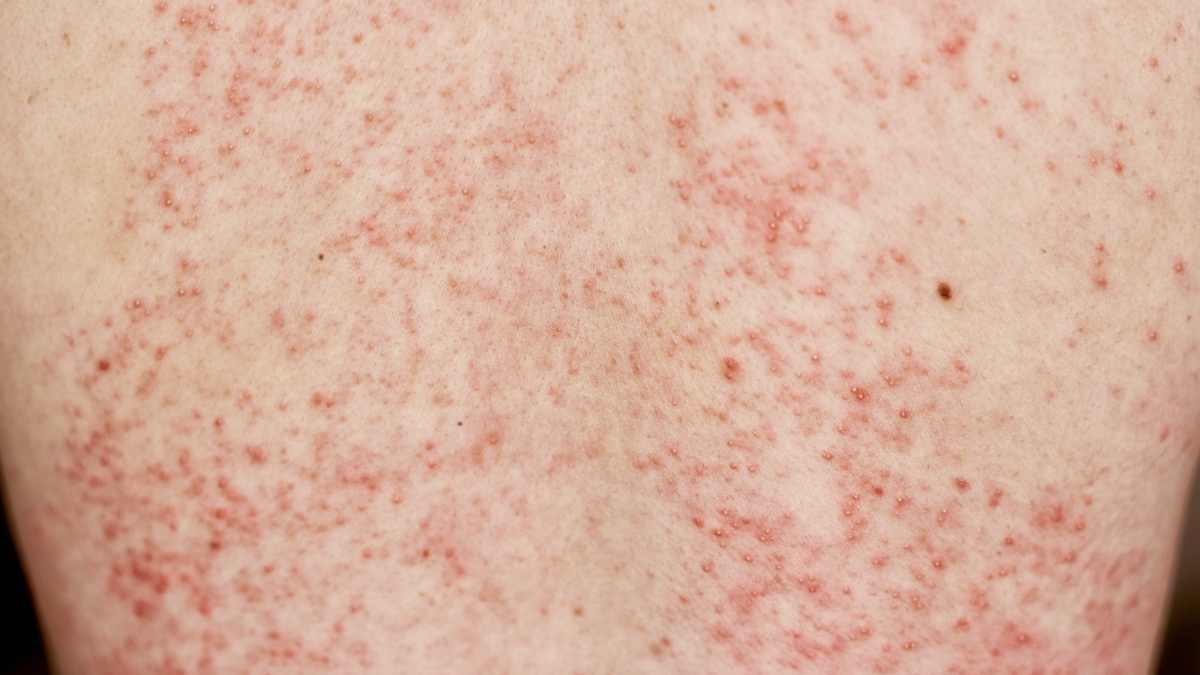
Skin rashes can manifest in numerous forms, each with distinct characteristics and underlying causes. Common types of rashes include eczema, psoriasis, contact dermatitis, and urticaria (hives). Eczema typically presents as dry, itchy patches, while psoriasis often appears as red, scaly plaques. Contact dermatitis results from skin exposure to irritants or allergens, leading to red, inflamed skin. Hives are characterized by raised, itchy welts that can vary in size and shape.
Symptoms accompanying skin rashes can also vary widely. Itching, burning, and pain are common sensations associated with many rashes, while others may present with additional symptoms such as swelling, blistering, or peeling skin. Understanding these symptoms is crucial for accurate identification and treatment. Moreover, some rashes may be indicative of systemic issues, such as infections or allergic reactions, necessitating prompt medical attention.
The identification of skin rashes can be complicated by overlapping symptoms and the presence of multiple conditions. For instance, a rash that appears similar to eczema may actually be a fungal infection. Differentiating between these conditions often requires professional evaluation, including a thorough medical history and physical examination. This complexity underscores the importance of utilizing reliable resources for accurate diagnosis and treatment.
In recent years, there has been a growing interest in the role of telemedicine and digital tools in dermatology. As patients seek quicker solutions for their skin concerns, understanding the various types of rashes and their symptoms becomes even more critical. This knowledge not only empowers individuals to seek appropriate care but also facilitates informed discussions with healthcare providers.
The Role of Technology in Dermatological Diagnosis
The integration of technology into healthcare has transformed various fields, including dermatology. Mobile applications designed for skin diagnosis offer users the ability to take photos of their rashes and receive instant feedback on potential conditions. This technology aims to bridge the gap between patients and healthcare professionals, providing immediate information that can guide treatment decisions.
Teledermatology, a subset of telemedicine, allows dermatologists to evaluate skin conditions remotely. This approach has gained traction due to its convenience and accessibility, particularly for individuals in remote areas or those with limited access to specialists. By utilizing mobile apps for skin rash identification, patients can initiate the diagnostic process from the comfort of their homes, potentially reducing the time to treatment.
However, the reliance on technology for diagnosis raises questions about accuracy and the potential for misdiagnosis. While apps can provide valuable insights, they should not replace professional medical advice. Patients must be educated on the limitations of these tools and the importance of consulting healthcare providers for definitive diagnoses and treatment plans.
As technology continues to evolve, the potential for enhanced dermatological diagnosis through apps is significant. Innovations in artificial intelligence and machine learning may lead to more sophisticated tools capable of analyzing skin conditions with greater precision. This evolution could revolutionize how skin rashes are diagnosed and managed, improving patient outcomes and satisfaction.
Overview of Current Apps for Skin Rash Identification
Several apps have emerged in the market, each claiming to assist users in identifying skin rashes. Apps like SkinVision, DermAI, and Ada utilize advanced algorithms and image recognition technology to analyze skin conditions based on user-submitted photos. These applications often provide users with a list of potential conditions, along with recommendations for next steps, such as seeking medical advice or trying over-the-counter treatments.
SkinVision, for instance, focuses primarily on skin cancer detection but also offers insights into various skin conditions. The app allows users to track changes in their skin over time, which can be invaluable for monitoring chronic conditions. DermAI leverages artificial intelligence to assess skin images and provide users with a likelihood score for various conditions, helping them understand the urgency of seeking professional care.
Another notable app is Ada, which employs a symptom checker to guide users through a series of questions about their rash and associated symptoms. This interactive approach helps users narrow down potential conditions based on their responses, making it a useful tool for initial assessments. However, it is essential for users to remember that these apps are not substitutes for professional medical evaluations.
While these apps offer convenience and immediate information, users should approach them with caution. Understanding the limitations and potential inaccuracies of these tools is crucial for making informed decisions about skin health. Users should consider these apps as supplementary resources rather than definitive diagnostic tools.
Evaluating the Accuracy of Rash Identification Apps
The accuracy of skin rash identification apps is a critical concern for users seeking reliable information. Studies have shown varying levels of accuracy among different applications, with some achieving commendable results while others fall short. The effectiveness of these apps often depends on the quality of the algorithms used and the breadth of their training data.
Research indicates that some apps can achieve accuracy rates comparable to dermatologists in identifying certain skin conditions. However, this performance can fluctuate based on the specific rash being evaluated. For instance, common conditions like acne or eczema may be more accurately identified than rarer or more complex skin disorders. Users must be aware that the app’s performance may not reflect its reliability across all skin conditions.
Moreover, the context in which the app is used plays a significant role in its effectiveness. Factors such as lighting, image quality, and user input can all influence the accuracy of the identification process. Users are encouraged to follow best practices for photo submission, such as ensuring good lighting and capturing multiple angles of the rash, to enhance the likelihood of accurate assessments.
Ultimately, while skin rash identification apps can provide valuable insights, they should not be relied upon as the sole source of information. Consulting with a healthcare professional remains essential for accurate diagnosis and appropriate treatment, especially for persistent or severe skin conditions.
User Experience: Navigating Skin Rash Apps Effectively
User experience is a vital aspect of any mobile application, particularly for those addressing health concerns. The design and functionality of skin rash identification apps can significantly impact how effectively users navigate the platform and utilize its features. A user-friendly interface, clear instructions, and intuitive navigation are essential for encouraging users to engage with the app.
Many apps incorporate features that enhance user experience, such as educational resources, symptom checkers, and personalized recommendations. These tools empower users to take an active role in their skin health, fostering a sense of control and understanding. Additionally, the ability to track changes in skin conditions over time can be beneficial for monitoring progress and discussing concerns with healthcare providers.
However, challenges can arise in the form of technical issues, such as app crashes or slow loading times, which can frustrate users. Regular updates and maintenance are crucial for ensuring optimal performance and user satisfaction. Developers should prioritize user feedback to identify areas for improvement and enhance the overall experience.
To maximize the benefits of skin rash identification apps, users should approach them with a proactive mindset. Engaging with educational materials, utilizing tracking features, and maintaining open communication with healthcare professionals can lead to more informed decisions regarding skin health. By effectively navigating these apps, users can enhance their understanding of skin conditions and improve their overall care.
Future Trends in Dermatology Apps and Skin Health Monitoring
The future of dermatology apps and skin health monitoring is promising, driven by advancements in technology and increasing consumer demand. Artificial intelligence and machine learning are expected to play pivotal roles in enhancing the accuracy and functionality of skin rash identification tools. As algorithms become more sophisticated, these apps may provide more precise assessments and personalized recommendations.
Another trend is the integration of telehealth features within dermatology apps. Virtual consultations with dermatologists can complement the diagnostic capabilities of apps, allowing users to receive professional evaluations and treatment plans without needing to visit a clinic. This hybrid approach can increase accessibility and convenience for patients, particularly those in underserved areas.
Wearable technology is also poised to influence skin health monitoring. Devices that track skin conditions, such as smart patches or sensors, can provide real-time data on changes in the skin, enabling proactive management of chronic conditions. This integration of technology may lead to a more comprehensive understanding of skin health and improved outcomes for patients.
As the landscape of dermatology continues to evolve, user education will remain a critical component. Empowering individuals with knowledge about their skin health and the tools available to them can foster greater engagement and better health outcomes. By staying informed about emerging trends and technologies, users can make the most of the resources at their disposal.
Conclusions:
The advent of mobile applications for skin rash identification represents a significant step forward in dermatological care. While these tools offer valuable insights and convenience, users must approach them with a critical mindset, understanding their limitations and the importance of professional medical advice. As technology continues to advance, the potential for improved accuracy and user experience in dermatology apps is immense. By leveraging these resources effectively, individuals can take proactive steps toward managing their skin health.
Read more
- American Academy of Dermatology – Skin Rashes – A comprehensive resource on various skin rashes, their symptoms, and treatment options.
- Healthline – Skin Rash Guide – An informative guide detailing different types of skin rashes and their causes.
- Teledermatology: A Review – A scholarly article discussing the impact of telemedicine on dermatology practices.
- Dermatology Apps: A Review of the Current Landscape – A review of mobile applications available for dermatological diagnosis and their effectiveness.
- Artificial Intelligence in Dermatology – An exploration of how AI is transforming dermatological diagnosis and patient care.