

Introduction:
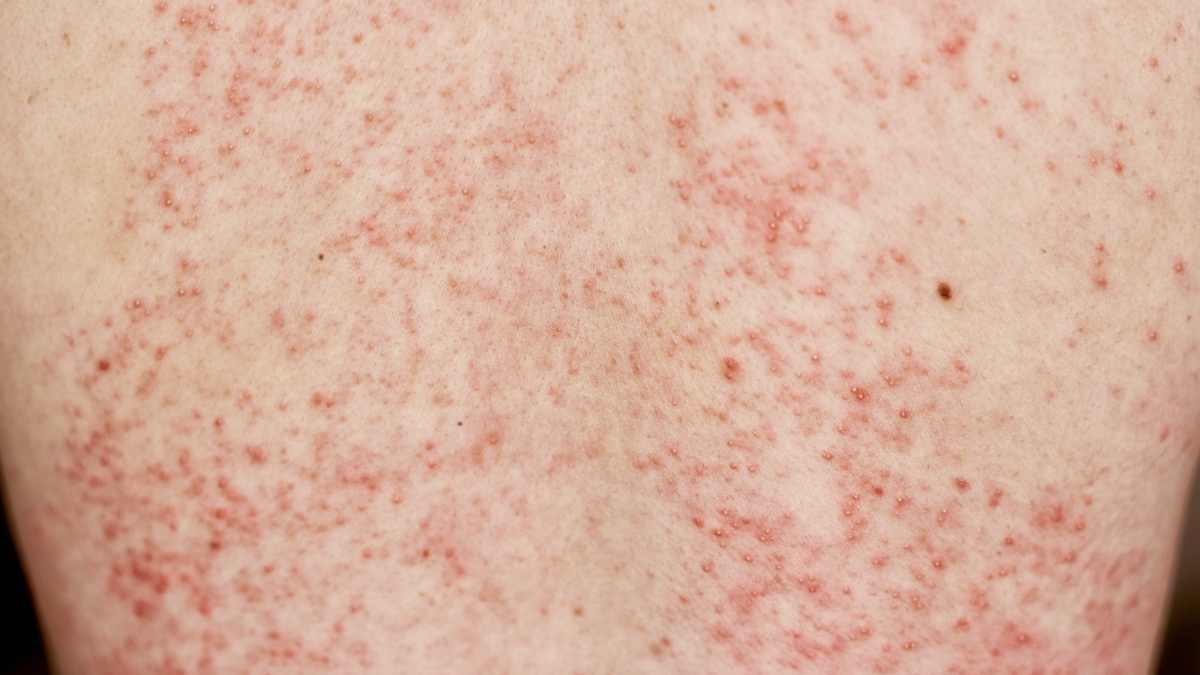
Rashes can be a frustrating and uncomfortable skin condition, often resulting from allergic reactions, irritants, or other underlying health issues. Antihistamines are commonly used to alleviate symptoms associated with rashes, particularly those linked to allergic responses. Understanding how these medications work, their types, efficacy, and potential side effects is essential for effective management. This article delves into the role of antihistamines in treating rashes, providing a comprehensive overview for both patients and healthcare professionals.
Understanding Antihistamines: Mechanism of Action Explained
Antihistamines are a class of medications that block the action of histamine, a chemical released during allergic reactions. When the body encounters an allergen, histamine is released from mast cells, leading to symptoms such as itching, swelling, and redness. By inhibiting histamine’s action on H1 receptors, antihistamines can significantly reduce these symptoms. This mechanism is particularly beneficial in managing rashes caused by allergic reactions, such as urticaria or contact dermatitis.
The effectiveness of antihistamines in treating rashes largely depends on the timing of administration. When taken early in the allergic response, these medications can prevent the full onset of symptoms. However, they are also effective in alleviating existing symptoms, providing relief from itching and inflammation. Understanding the pharmacokinetics of different antihistamines is crucial, as some may act faster than others, influencing their suitability for acute versus chronic conditions.
Antihistamines are categorized into two main classes: first-generation and second-generation. The former, such as diphenhydramine, are known for their sedative effects due to their ability to cross the blood-brain barrier. In contrast, second-generation antihistamines, like loratadine and cetirizine, are less likely to cause drowsiness, making them more suitable for long-term management of allergic conditions. The choice of antihistamine can significantly impact patient compliance and overall treatment success.
In addition to their antihistaminic effects, some antihistamines possess anti-inflammatory properties, which can further aid in managing skin rashes. This dual action can be particularly beneficial in conditions where inflammation plays a significant role. Understanding these mechanisms helps healthcare providers tailor treatment plans to individual patient needs, enhancing the overall efficacy of rash management.
Common Types of Antihistamines for Skin Reactions
First-generation antihistamines, such as diphenhydramine and chlorpheniramine, are often used for their rapid onset of action. These medications are effective in providing quick relief from itching and discomfort associated with rashes. However, their sedative properties can limit their use during the day, especially for individuals who need to maintain alertness. Despite this, they are frequently recommended for short-term use in acute allergic reactions.
Second-generation antihistamines, including loratadine, cetirizine, and fexofenadine, are preferred for chronic conditions due to their lower sedative effects. These medications offer longer-lasting relief and are less likely to interfere with daily activities. Cetirizine, in particular, has been noted for its effectiveness in treating skin-related allergic reactions, making it a popular choice among healthcare providers.
Topical antihistamines, such as diphenhydramine cream, can also be beneficial for localized rashes. These formulations provide targeted relief by reducing itching and inflammation at the site of application. However, their use should be limited to avoid potential skin irritation or sensitization, particularly in sensitive individuals.
In some cases, antihistamines may be combined with other treatments, such as corticosteroids, to enhance their effectiveness. This combination approach can provide a more comprehensive management strategy for rashes that involve significant inflammation or are resistant to monotherapy.
Evaluating Efficacy: Antihistamines for Rash Management
The efficacy of antihistamines in managing rashes can vary based on several factors, including the underlying cause of the rash and individual patient responses. Clinical studies have demonstrated that both first- and second-generation antihistamines can significantly reduce itching and improve overall comfort in patients with allergic rashes. However, the degree of effectiveness may differ, with some patients responding better to one class over the other.
In practice, the choice of antihistamine often hinges on the specific characteristics of the rash. For acute allergic reactions, first-generation antihistamines may be preferred for their rapid onset. Conversely, for chronic conditions or when sedation is a concern, second-generation antihistamines are typically recommended. Healthcare providers must assess the patient’s medical history, lifestyle, and preferences to determine the most appropriate treatment.
Additionally, the duration of treatment plays a crucial role in evaluating efficacy. While short-term use of first-generation antihistamines can provide immediate relief, long-term management of chronic rashes may necessitate the use of second-generation options to minimize side effects and enhance patient compliance. Regular follow-up appointments can help monitor the effectiveness of the chosen antihistamine and make necessary adjustments.
Patient education is also vital in ensuring the successful management of rashes with antihistamines. Informing patients about the expected outcomes, potential side effects, and the importance of adherence to prescribed regimens can significantly impact treatment success. Empowering patients with knowledge promotes better self-management and encourages them to seek timely medical advice when necessary.
Side Effects and Considerations of Antihistamine Use
While antihistamines are generally well-tolerated, they are not without potential side effects. First-generation antihistamines are particularly notorious for causing sedation, dizziness, and dry mouth. These side effects can be problematic for individuals who need to remain alert, such as those operating machinery or driving. Additionally, prolonged use of these medications can lead to tolerance, diminishing their effectiveness over time.
Second-generation antihistamines have a more favorable side effect profile, with fewer sedative effects. However, they can still cause mild side effects, including headache, fatigue, and gastrointestinal disturbances. It is essential for healthcare providers to discuss these potential side effects with patients, enabling them to make informed decisions about their treatment options.
Another consideration is the potential for drug interactions. Antihistamines can interact with various medications, including sedatives, alcohol, and certain antidepressants, leading to increased sedation or other adverse effects. Patients should be encouraged to disclose all medications they are taking to their healthcare provider to avoid harmful interactions.
In certain populations, such as the elderly or those with pre-existing health conditions, careful consideration must be given to antihistamine use. The risk of side effects may be heightened in these individuals, necessitating a more cautious approach. Healthcare providers should assess each patient’s unique circumstances to tailor treatment plans that prioritize safety while effectively managing rash symptoms.
Comparing First-Generation and Second-Generation Antihistamines
The distinction between first- and second-generation antihistamines is crucial in determining the most appropriate treatment for rashes. First-generation antihistamines, such as diphenhydramine and promethazine, are effective for short-term relief due to their rapid onset of action. However, their sedative properties can be a significant drawback, particularly for individuals who require alertness throughout the day.
Conversely, second-generation antihistamines, including loratadine, cetirizine, and desloratadine, offer a more favorable safety profile. These medications are less likely to cause sedation, making them suitable for long-term management of allergic conditions. They also have a longer duration of action, allowing for once-daily dosing, which can improve patient adherence to treatment regimens.
When comparing efficacy, studies have shown that both classes can effectively reduce itching and other symptoms associated with rashes. However, second-generation antihistamines may provide a more consistent level of symptom control without the sedative side effects. This advantage is particularly important for patients with chronic conditions requiring ongoing treatment.
Ultimately, the choice between first- and second-generation antihistamines should be guided by the patient’s specific needs and lifestyle. Healthcare providers must weigh the benefits and risks of each class while considering the patient’s preferences and potential side effects. This personalized approach ensures optimal management of rashes and enhances the overall quality of care.
Clinical Recommendations for Antihistamine Treatment Plans
When developing treatment plans for patients with rashes, healthcare providers should consider several key factors. First, a thorough assessment of the patient’s medical history and current symptoms is essential to determine the underlying cause of the rash. This evaluation will help guide the choice of antihistamine and any additional treatments that may be necessary.
For acute allergic reactions, first-generation antihistamines may be recommended for their rapid relief of symptoms. However, for patients with chronic rashes or those requiring long-term management, second-generation antihistamines are typically preferred. The choice of specific antihistamines should also take into account the patient’s lifestyle, potential for sedation, and any concurrent medications.
In cases where antihistamines alone are insufficient to manage rash symptoms, healthcare providers may consider combining them with other treatments, such as topical corticosteroids or emollients. This multimodal approach can enhance symptom relief and address underlying inflammation more effectively.
Regular follow-up appointments are crucial for monitoring the effectiveness of the treatment plan and making necessary adjustments. Healthcare providers should encourage open communication with patients, allowing them to report any side effects or concerns promptly. This collaborative approach fosters a positive therapeutic relationship and promotes better outcomes in rash management.
Conclusions:
Antihistamines play a vital role in managing rashes, particularly those associated with allergic reactions. Understanding their mechanisms of action, types, efficacy, and potential side effects is essential for effective treatment. By considering individual patient needs and preferences, healthcare providers can develop tailored treatment plans that optimize symptom relief while minimizing adverse effects. Ongoing research and clinical experience will continue to refine our understanding of antihistamines, ensuring that patients receive the best possible care for their skin conditions.
Read more
- American Academy of Dermatology: Allergic Skin Reactions – A comprehensive overview of allergic skin reactions and their management.
- Mayo Clinic: Antihistamines – Detailed information on antihistamines, including types, uses, and side effects.
- National Institute of Allergy and Infectious Diseases: Allergic Skin Conditions – Insights into various allergic skin conditions and treatment options.
- Cleveland Clinic: Understanding Allergies and Rashes – A resource for understanding allergies and their effects on skin health.
- WebMD: Antihistamines for Allergies – An informative guide on the use of antihistamines for allergy management.