

Introduction:
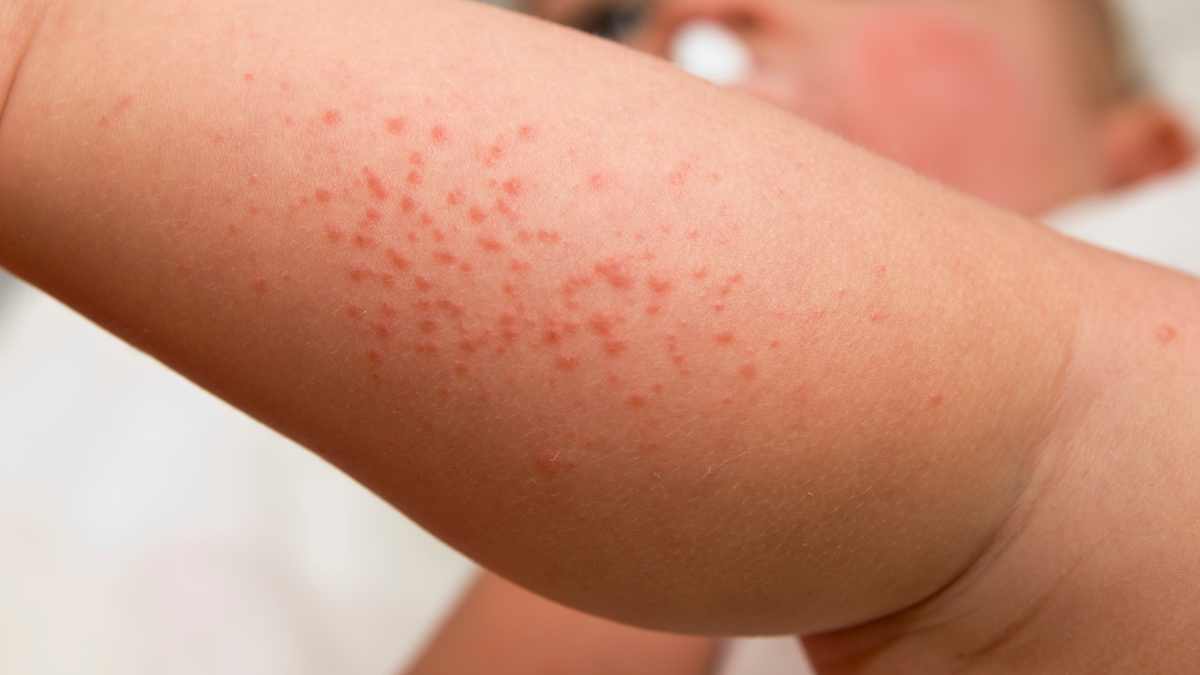
Skin rashes can be an uncomfortable and distressing experience for many individuals. They can arise from a variety of causes, including allergies, infections, and irritants. Understanding the different types of skin rashes and their underlying causes is crucial in determining the most effective treatment options. This article will explore various methods for alleviating skin rashes, including topical treatments, oral medications, natural remedies, preventive measures, and when to seek professional help.
Understanding Different Types of Skin Rashes and Their Causes
Skin rashes can manifest in numerous forms, each with distinct characteristics and underlying causes. Common types of rashes include eczema, psoriasis, contact dermatitis, and fungal infections. Eczema often presents as red, itchy patches and can be triggered by allergens or irritants. Psoriasis, on the other hand, is an autoimmune condition characterized by thick, scaly patches that can be painful and itchy.
Contact dermatitis occurs when the skin comes into direct contact with an irritant or allergen, leading to inflammation and discomfort. Fungal infections, such as ringworm or athlete’s foot, can also cause rashes that may be itchy and red. Understanding these different types of rashes is essential for determining the appropriate treatment approach.
In addition to the type of rash, identifying the underlying cause is crucial. Allergens such as pollen, pet dander, and certain foods can trigger rashes in sensitive individuals. Environmental factors, including harsh soaps or detergents, can also lead to skin irritation. Furthermore, infections caused by bacteria or viruses can result in rashes that may require specific treatment.
Genetic predispositions and lifestyle factors can also play a significant role in the development of skin rashes. Individuals with a family history of skin conditions may be more susceptible to developing rashes. Stress, poor nutrition, and lack of proper skin care can exacerbate existing conditions or lead to new rashes. Understanding these factors helps in both prevention and treatment.
Topical Treatments: Creams and Ointments for Rash Relief
Topical treatments are often the first line of defense against skin rashes. Corticosteroid creams are commonly prescribed to reduce inflammation and itching associated with various rashes. These creams work by suppressing the immune response in the affected area, providing quick relief for conditions like eczema and psoriasis. However, prolonged use can lead to skin thinning, so it’s essential to use them under medical supervision.
Antihistamine creams can also be effective, particularly for rashes caused by allergic reactions. These creams block histamine receptors, reducing itching and discomfort. For rashes caused by fungal infections, antifungal creams are necessary to eliminate the underlying infection. It’s crucial to choose the right topical treatment based on the type of rash to ensure effective relief.
In addition to prescription options, over-the-counter treatments are available for mild to moderate rashes. Calamine lotion, for instance, can soothe itchy skin, while hydrocortisone cream can help alleviate inflammation. These products can often provide sufficient relief for minor rashes without the need for a prescription.
Moisturizers play a vital role in managing rashes, particularly for conditions like eczema. Keeping the skin hydrated can prevent further irritation and support the skin’s natural barrier. Look for fragrance-free and hypoallergenic options to minimize the risk of exacerbating the rash.
Oral Medications: When to Consider Systemic Therapy Options
In cases where topical treatments are insufficient, oral medications may be necessary. Oral corticosteroids can provide rapid relief for severe rashes by reducing inflammation throughout the body. These medications are typically prescribed for short durations due to potential side effects, including weight gain and increased susceptibility to infections.
Antihistamines in oral form can also be beneficial for managing itching associated with allergic reactions. These medications can help alleviate discomfort and improve sleep quality for individuals struggling with persistent rashes. Non-drowsy formulations are available for daytime use, while sedating options can be taken at night.
In some instances, immunosuppressive medications may be warranted, particularly for chronic conditions like psoriasis or severe eczema. Drugs such as methotrexate or cyclosporine can help control the immune response, reducing the severity and frequency of rashes. These medications require careful monitoring due to potential side effects and interactions with other drugs.
For individuals with severe allergic reactions leading to rashes, epinephrine may be prescribed as an emergency treatment. This injectable medication can rapidly reverse severe allergic responses, preventing life-threatening complications. It’s essential for individuals with known severe allergies to carry an epinephrine auto-injector at all times.
Natural Remedies: Efficacy of Herbal and Home Treatments
Natural remedies have gained popularity as alternative treatments for skin rashes. Many individuals seek herbal solutions to alleviate symptoms and promote healing. For instance, aloe vera gel is renowned for its soothing properties and can be applied directly to inflamed skin. Its anti-inflammatory and antibacterial effects make it a popular choice for various skin conditions.
Oatmeal baths are another effective home remedy, particularly for itchy rashes. Colloidal oatmeal can help soothe irritated skin and provide relief from itching. Adding oatmeal to a warm bath can create a soothing environment that calms inflamed skin, making it an excellent option for conditions like chickenpox or poison ivy.
Essential oils, such as tea tree oil and lavender oil, are also used for their potential anti-inflammatory and antimicrobial properties. However, it’s crucial to dilute these oils with a carrier oil before applying them to the skin to avoid irritation. While some individuals report positive results, scientific evidence supporting the efficacy of these oils is limited, and caution is advised.
Dietary changes can also play a role in managing skin rashes. Some individuals find that eliminating certain foods, such as dairy or gluten, can lead to improvements in their skin condition. A balanced diet rich in antioxidants and omega-3 fatty acids may support overall skin health and reduce inflammation.
Preventive Measures: Reducing the Risk of Skin Rashes
Preventing skin rashes often involves identifying and avoiding triggers. Maintaining a skincare routine that includes gentle cleansers and moisturizers can help protect the skin’s barrier. Avoiding harsh soaps, fragrances, and irritants is essential, particularly for individuals with sensitive skin.
Wearing protective clothing can also reduce the risk of contact dermatitis. For instance, using gloves when handling irritants or allergens can prevent skin exposure. Additionally, choosing breathable fabrics can help minimize irritation caused by sweat and friction.
Sun protection is another critical aspect of prevention. Excessive sun exposure can lead to sunburns and exacerbate existing skin conditions. Using broad-spectrum sunscreen with an SPF of 30 or higher, along with protective clothing, can help safeguard the skin from harmful UV rays.
Finally, managing stress levels can contribute to skin health. Stress has been linked to the exacerbation of various skin conditions, including eczema and psoriasis. Engaging in relaxation techniques, such as yoga or meditation, can help mitigate stress and promote overall well-being.
When to Seek Professional Help for Persistent Rashes
While many rashes can be managed at home, there are instances when professional help is necessary. If a rash persists for more than a few days without improvement, it’s essential to consult a healthcare provider. Persistent rashes may indicate an underlying condition that requires specialized treatment.
Signs of infection, such as increased redness, swelling, or the presence of pus, warrant immediate medical attention. These symptoms may indicate a bacterial or fungal infection that necessitates prescription medications. Additionally, if a rash is accompanied by fever or other systemic symptoms, seeking medical care is crucial.
Individuals with chronic skin conditions, such as eczema or psoriasis, should regularly consult with a dermatologist. A specialist can provide tailored treatment plans and recommend advanced therapies, including phototherapy or biologic medications, for severe cases.
Finally, if a rash is causing significant discomfort or impacting daily life, it’s essential to seek help. Healthcare professionals can offer effective treatment options and support to alleviate symptoms and improve quality of life.
Conclusions:
Skin rashes can be a source of discomfort and distress, but understanding their causes and treatment options can significantly improve management. From topical treatments and oral medications to natural remedies and preventive measures, various strategies exist to alleviate symptoms and promote healing. However, it’s essential to recognize when professional help is necessary, particularly for persistent or severe rashes. By taking a proactive approach to skin health, individuals can reduce the risk of rashes and enjoy healthier skin.
Read more
- American Academy of Dermatology – Skin Rashes – Comprehensive resource on various types of skin rashes and their treatments.
- Mayo Clinic – Skin Rash – Detailed overview of skin rashes, including causes, symptoms, and treatment options.
- National Eczema Association – Eczema Treatments – Information on effective treatments for eczema and related skin conditions.
- Cleveland Clinic – Psoriasis Treatment – Insights into psoriasis management and treatment strategies.
- Healthline – Natural Remedies for Skin Rashes – Overview of natural remedies and their efficacy in treating skin rashes.