

Introduction:
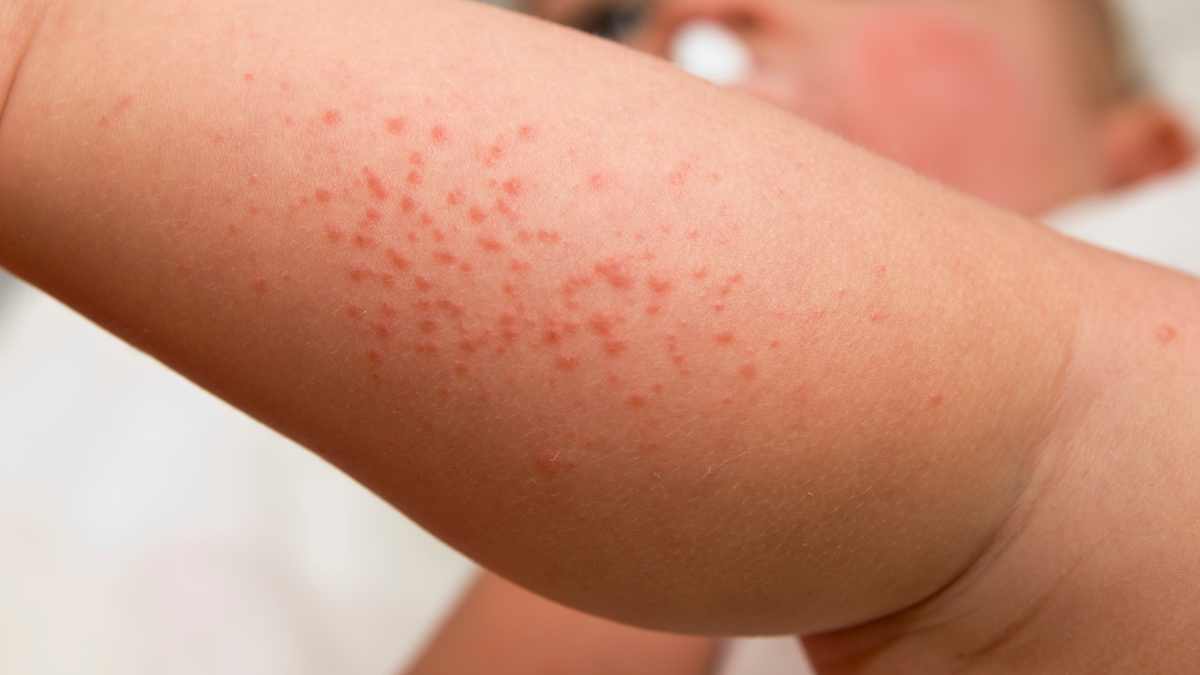
Heat rash, also known as miliaria, is a common skin condition that occurs when sweat ducts become blocked, leading to discomfort and irritation. It typically manifests as small red or pink bumps, often accompanied by itching or a prickly sensation. While heat rash is prevalent during hot and humid weather, several other skin conditions can present with similar symptoms, making accurate diagnosis crucial for effective treatment. Understanding these conditions can help individuals identify their skin issues more clearly and seek appropriate care.
Understanding Heat Rash: A Brief Overview of Symptoms
Heat rash is primarily characterized by the appearance of small, raised bumps on the skin, which may be red or clear. These bumps often occur in areas where sweat accumulates, such as the neck, armpits, and groin. The affected skin may feel itchy or prickly, and in some cases, it can become inflamed or tender. The rash typically resolves on its own once the skin cools down and sweat production decreases.
The condition is most prevalent in infants and young children due to their underdeveloped sweat glands. However, adults can also experience heat rash, particularly during physical exertion or in hot climates. The symptoms may vary in intensity, with some individuals experiencing mild irritation while others may develop more severe discomfort.
Heat rash can be classified into three types: miliaria crystallina, miliaria rubra, and miliaria profunda. Miliaria crystallina presents as tiny, clear vesicles that are often asymptomatic. Miliaria rubra, the most common form, is characterized by red, itchy bumps. Miliaria profunda, although less common, can cause deeper, more painful lesions. Understanding these variations is essential for differentiating heat rash from other skin conditions.
In summary, recognizing the symptoms of heat rash is the first step toward effective management. However, several other skin conditions can mimic these symptoms, necessitating a closer examination of the rash and its accompanying features.
Common Skin Conditions That Mimic Heat Rash Symptoms
Several skin conditions can present with symptoms similar to those of heat rash, leading to potential misdiagnosis. One such condition is folliculitis, which occurs when hair follicles become inflamed, often due to bacterial infection or irritation. Folliculitis typically appears as red, pus-filled bumps that can resemble the raised lesions of heat rash.
Another condition to consider is contact dermatitis, which arises from skin exposure to irritants or allergens. This condition can manifest as red, itchy patches that may blister or peel, mimicking the appearance of heat rash. The distinguishing factor is often the presence of a clear trigger, such as a new soap, lotion, or fabric.
Eczema, or atopic dermatitis, is another skin disorder that can be mistaken for heat rash. Eczema presents as dry, itchy patches that can become red and inflamed. Unlike heat rash, eczema often has a chronic nature, with flare-ups triggered by environmental factors, stress, or allergens.
Lastly, urticaria, commonly known as hives, can also be confused with heat rash. Hives are raised, itchy welts that can appear suddenly and vary in size. They are often the result of an allergic reaction and may resolve quickly, unlike heat rash, which is more persistent during hot conditions.
Allergic Reactions: Identifying Similar Skin Manifestations
Allergic reactions can produce a range of skin manifestations that may closely resemble heat rash. One common type of allergic reaction is an allergic contact dermatitis, which occurs when the skin comes into contact with an allergen. This condition typically presents as red, itchy patches or blisters that can be mistaken for heat rash, particularly if the exposure occurs in hot weather.
Another allergic reaction that may mimic heat rash is anaphylaxis, which can cause widespread hives and swelling. While anaphylaxis is a medical emergency, milder allergic reactions can lead to localized rashes that resemble heat rash. Identifying the source of the allergy is crucial for differentiation.
Insect bites can also lead to localized allergic reactions that may appear similar to heat rash. Bites from mosquitoes, fleas, or other insects can cause raised, itchy bumps on the skin, often in clusters. The key difference lies in the presence of a bite mark or puncture, which can help distinguish these reactions from heat rash.
It is essential to consider the context of the rash, including recent exposures to potential allergens, when evaluating skin manifestations. A thorough history and examination can aid in identifying the underlying cause and determining the appropriate treatment.
Fungal Infections: Distinguishing from Heat Rash Presentation
Fungal infections are another category of skin conditions that can mimic the appearance of heat rash. Tinea corporis, commonly known as ringworm, is a fungal infection that presents as red, circular patches with raised edges. The central area may appear clear, giving it a characteristic ring-like appearance. This differs from heat rash, which typically lacks such distinct borders.
Another fungal condition, candidiasis, can also be mistaken for heat rash, particularly in warm, moist areas of the body. Candidiasis can cause red, itchy rashes with a characteristic white coating, especially in skin folds. Unlike heat rash, which is primarily due to sweat accumulation, candidiasis is an overgrowth of yeast that thrives in warm environments.
Seborrheic dermatitis, often associated with oily skin, can also present with red, scaly patches that may resemble heat rash. This condition typically affects areas with a high concentration of sebaceous glands, such as the scalp and face, and is characterized by greasy scales, which are not present in heat rash.
To differentiate these fungal infections from heat rash, a healthcare provider may perform a skin scraping or culture to identify the presence of fungal elements. Understanding the distinct characteristics of these conditions is crucial for appropriate treatment and management.
Infectious Diseases: Recognizing Rash-Like Symptoms
Certain infectious diseases can also present with rash-like symptoms that may be mistaken for heat rash. For instance, viral infections such as chickenpox and measles can produce widespread rashes that may initially appear similar to heat rash. Chickenpox typically begins as small, itchy red spots that progress to fluid-filled blisters, while measles presents with a characteristic red, blotchy rash that often follows a respiratory illness.
Bacterial infections, such as impetigo, can also lead to red, blister-like lesions that may resemble heat rash. Impetigo is highly contagious and often presents with honey-colored crusts, distinguishing it from heat rash, which lacks such crusting.
Infectious mononucleosis, caused by the Epstein-Barr virus, can lead to a rash that may be mistaken for heat rash, particularly if accompanied by fever and fatigue. The rash associated with mononucleosis is often more diffuse and can appear on various parts of the body.
Recognizing the context of the rash, including accompanying symptoms such as fever, fatigue, or respiratory issues, is vital for differentiating infectious diseases from heat rash. A thorough medical history and examination are essential for accurate diagnosis and appropriate treatment.
When to Seek Medical Advice for Rash Differentiation
It is crucial to seek medical advice when experiencing a rash that may be mistaken for heat rash, especially if the symptoms persist or worsen. A healthcare provider can perform a thorough evaluation, including a physical examination and medical history, to determine the underlying cause of the rash. This is particularly important if the rash is accompanied by systemic symptoms such as fever, chills, or significant discomfort.
If the rash shows signs of infection, such as increased redness, swelling, or drainage, immediate medical attention is warranted. In such cases, a healthcare provider may prescribe antibiotics or antifungal medications to address the underlying infection.
Individuals with a history of allergies or skin conditions should also consult a healthcare provider if they experience new or unusual rashes. Understanding the triggers and patterns of skin reactions can aid in effective management and prevention of future occurrences.
In summary, while heat rash is a common skin condition, it is essential to be aware of other conditions that may present similarly. Seeking medical advice can lead to accurate diagnosis and appropriate treatment, ensuring optimal skin health.
Conclusions:
In conclusion, while heat rash is a common and often benign skin condition, several other skin disorders, allergic reactions, fungal infections, and infectious diseases can present with similar symptoms. Understanding the differences between these conditions is crucial for accurate diagnosis and effective treatment. If you experience a rash that persists or worsens, or if it is accompanied by systemic symptoms, seeking medical advice is essential for proper management.
Read more:
- Mayo Clinic – Heat Rash – A comprehensive overview of heat rash, including symptoms, causes, and treatment options.
- American Academy of Dermatology – Heat Rash – Information on heat rash, its symptoms, and prevention tips from a trusted dermatological source.
- Cleveland Clinic – Skin Rashes – An overview of various skin rashes, including those that may resemble heat rash.
- WebMD – Allergic Skin Reactions – Detailed information on allergic skin reactions and how to identify them.
- Healthline – Fungal Skin Infections – An informative article on different types of fungal skin infections and their symptoms.