

Introduction:
Skin rashes can often be alarming, especially when they appear without a clear cause. While many rashes are benign and associated with common dermatological conditions, some can be indicative of underlying malignancies. Understanding the connection between certain cancers and skin manifestations is crucial for timely diagnosis and treatment. This article explores the types of cancers that may cause rashes, the mechanisms behind these skin changes, and how to distinguish them from other dermatological issues.
Understanding the Connection Between Cancers and Skin Rashes
The skin serves as a vital organ that reflects the internal health of the body. Rashes can be a manifestation of systemic diseases, including various forms of cancer. When cancer affects the body, it can provoke a range of skin responses due to the immune system’s reaction or the direct impact of cancer cells. The skin can become a canvas that reveals underlying malignancies, with rashes serving as a potential early warning sign.
In some cases, rashes may arise from paraneoplastic syndromes, which are disorders triggered by the immune response to cancer. These syndromes can lead to skin changes that may precede the diagnosis of cancer. For instance, certain types of lymphoma and leukemia can manifest with skin rashes due to the infiltration of cancerous cells into the skin or the release of cytokines that affect skin health.
Additionally, some cancer treatments, such as chemotherapy and targeted therapies, can lead to skin rashes as side effects. These rashes can vary in severity and may require specific management strategies. Therefore, recognizing the link between skin rashes and cancer is essential for healthcare providers, as it can lead to earlier detection and intervention.
Overall, the relationship between cancer and skin rashes is complex and multifaceted. Understanding this connection can empower patients and healthcare professionals to seek further evaluation when unusual skin changes occur.
Common Types of Cancers Associated with Skin Manifestations
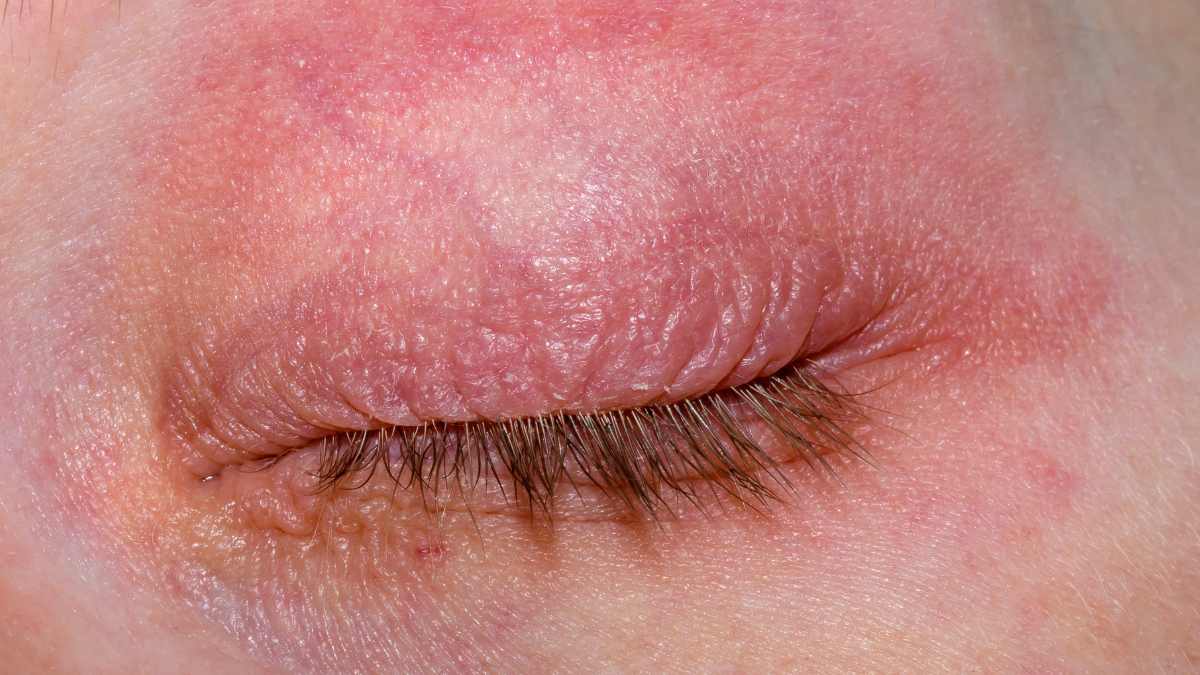
Several cancers are known to cause skin rashes, each presenting distinct characteristics. Cutaneous T-cell lymphoma is one of the most notable examples, often presenting as red, scaly patches or plaques on the skin. These lesions can resemble eczema or psoriasis, making diagnosis challenging. Early recognition is critical, as this type of lymphoma can progress if left untreated.
Another cancer associated with skin rashes is leukemia, particularly acute myeloid leukemia (AML) and chronic lymphocytic leukemia (CLL). Patients may experience petechiae, which are small red or purple spots caused by bleeding under the skin. These rashes can be a result of low platelet counts, a common complication of leukemia, highlighting the importance of monitoring skin changes in affected individuals.
Melanoma, a serious form of skin cancer, can also present with rashes or changes in existing moles. While not all rashes associated with melanoma are indicative of the disease, any new or changing skin lesion should be evaluated by a healthcare professional. Early detection of melanoma can significantly improve treatment outcomes.
Lastly, Merkel cell carcinoma, a rare but aggressive skin cancer, can present with painless nodules or rashes. This type of cancer is often misdiagnosed due to its atypical presentation, emphasizing the need for awareness among both patients and clinicians.
Mechanisms Behind Cancer-Induced Skin Rashes Explained
The mechanisms by which cancer induces skin rashes are diverse and can be attributed to several factors. One primary mechanism involves the immune response. When cancer cells invade the body, the immune system may react by producing inflammatory mediators, leading to skin inflammation and rashes. This immune-mediated response can manifest as various skin conditions, including dermatitis or urticaria.
Another mechanism is the direct infiltration of cancer cells into the skin. Certain cancers, particularly hematological malignancies, can lead to the accumulation of malignant cells in the dermis, resulting in rashes or nodular lesions. This infiltration can disrupt normal skin architecture and function, causing noticeable changes.
Moreover, cancer treatments such as chemotherapy can cause skin rashes due to their cytotoxic effects on rapidly dividing cells, including those in the skin. Targeted therapies, which aim to inhibit specific pathways in cancer cells, can also lead to skin toxicities, manifesting as rashes, dryness, or even severe skin reactions.
Finally, the release of cytokines and other inflammatory mediators by tumor cells can contribute to skin rashes. These substances can alter the skin’s microenvironment, leading to changes in skin barrier function and promoting inflammatory skin conditions.
Distinguishing Cancer-Related Rashes from Other Conditions
Differentiating cancer-related rashes from other dermatological conditions is crucial for proper diagnosis and treatment. Many skin rashes can mimic benign conditions such as eczema, psoriasis, or allergic reactions. Therefore, a thorough clinical evaluation is essential. Healthcare providers should consider factors such as the rash’s appearance, duration, and associated symptoms when making a diagnosis.
For instance, pruritus (itching) is often associated with rashes from cancers like lymphoma. If a patient presents with persistent itching and an unexplained rash, further investigation may be warranted to rule out malignancy. Additionally, rashes that do not respond to standard treatments for common skin conditions should raise suspicion for an underlying cancer.
The location of the rash can also provide clues. Rashes associated with certain cancers may appear in atypical areas or have a distinct morphology. For example, cutaneous T-cell lymphoma often presents on sun-protected areas of the body, which can help differentiate it from more common skin conditions.
Ultimately, a multidisciplinary approach involving dermatologists, oncologists, and primary care providers may be necessary to accurately diagnose and manage cancer-related rashes. Skin biopsies and laboratory tests can further aid in distinguishing these rashes from other conditions.
Diagnostic Approaches for Rashes Linked to Cancer Types
When a rash is suspected to be linked to cancer, a comprehensive diagnostic approach is essential. The first step typically involves a detailed medical history and physical examination. Clinicians will assess the characteristics of the rash, including its appearance, distribution, and any associated symptoms, such as fever or weight loss.
If the initial evaluation raises suspicion for a malignancy, further diagnostic tests may be warranted. Skin biopsy is a critical tool in this process, allowing for histopathological examination of the rash. This can help confirm or rule out conditions such as cutaneous lymphoma or metastatic disease.
In addition to skin biopsies, blood tests may be performed to assess for underlying hematological malignancies. Complete blood counts (CBC) can reveal abnormalities such as low platelet counts or elevated white blood cell counts, which may indicate leukemia or other blood cancers. Imaging studies, such as CT scans or MRIs, may also be utilized to evaluate for systemic disease.
Finally, referral to a dermatologist or oncologist may be necessary for specialized evaluation and management. A collaborative approach ensures that patients receive comprehensive care tailored to their specific needs.
Treatment Options for Cancer-Related Skin Rash Management
Managing skin rashes associated with cancer requires a tailored approach based on the underlying cause. For rashes resulting from paraneoplastic syndromes, addressing the underlying malignancy is crucial. Effective cancer treatment can often lead to resolution of the associated skin manifestations.
In cases where rashes are a direct result of cancer infiltration, topical therapies may be employed to alleviate symptoms. Corticosteroids can help reduce inflammation and itching, while other topical agents may be used to manage specific skin conditions. For more severe cases, systemic treatments such as immunotherapy or targeted therapies may be necessary.
For rashes caused by cancer treatments, supportive care is essential. Patients may benefit from moisturizers, emollients, and topical corticosteroids to manage dryness and irritation. In some cases, dose adjustments or changes in therapy may be required to minimize skin toxicity.
Ultimately, a multidisciplinary team approach is vital for effective management of cancer-related skin rashes. Collaboration between dermatologists, oncologists, and primary care providers can ensure that patients receive comprehensive care and support throughout their treatment journey.
Conclusions:
Understanding the relationship between certain cancers and skin rashes is crucial for early detection and management. By recognizing the types of cancers associated with skin manifestations, the mechanisms behind these rashes, and the diagnostic and treatment approaches available, healthcare providers can improve patient outcomes. Timely intervention can make a significant difference, underscoring the importance of vigilance when it comes to skin changes in cancer patients.
Read more
-
American Cancer Society – Skin Changes in Cancer Patients: This resource provides an overview of skin changes that can occur in cancer patients, including rashes and other dermatological issues.
-
National Cancer Institute – Cutaneous T-cell Lymphoma: This page offers detailed information on cutaneous T-cell lymphoma, including symptoms, diagnosis, and treatment options.
-
Mayo Clinic – Skin Rash: A comprehensive guide on skin rashes, their causes, and when to seek medical attention.
-
DermNet NZ – Skin Rashes and Cancer: This resource discusses various skin rashes associated with different types of cancer, providing valuable insights for both patients and healthcare providers.
-
Cleveland Clinic – Skin Rashes: Causes and Treatments: A detailed overview of skin rashes, including potential causes and treatment options, relevant for understanding cancer-related skin manifestations.