

Introduction:
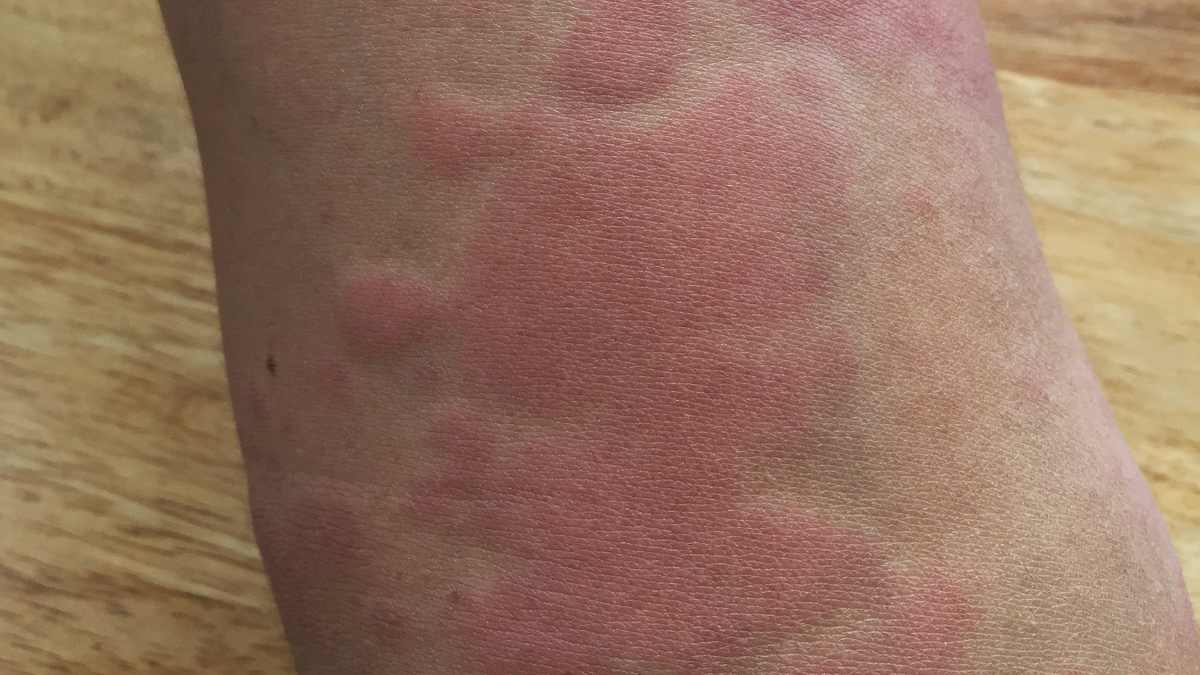
Sudden rashes can be alarming and perplexing, often appearing without any clear warning or identifiable cause. The skin, being the largest organ of the body, serves as a protective barrier and can react in various ways to internal and external stimuli. Understanding the underlying mechanisms that lead to these unexpected skin reactions is crucial for effective management and treatment. This article delves into the multifaceted causes of sudden rashes, exploring environmental triggers, allergens, autoimmune disorders, infectious agents, and the impact of stress.
Understanding the Skin’s Response to Environmental Triggers
The skin is a dynamic organ that responds to a myriad of environmental factors. When exposed to irritants or allergens, the skin can initiate an inflammatory response, leading to rashes. This response is part of the body’s immune system, which aims to protect against perceived threats. Factors such as temperature changes, humidity, and exposure to chemicals can provoke this reaction. For instance, harsh soaps, detergents, or even prolonged sun exposure can disrupt the skin’s barrier, resulting in irritation and rash formation.
The skin’s microbiome also plays a pivotal role in its health and response to environmental changes. A balanced microbiome helps maintain skin integrity, while an imbalance can lead to conditions such as eczema or psoriasis. Changes in the microbiome can occur due to factors like antibiotic use, diet, or environmental pollution, potentially triggering sudden rashes. Moreover, the skin’s permeability can be affected by various factors, allowing allergens to penetrate more easily and provoke an immune response.
In addition, seasonal changes can influence the skin’s behavior. For instance, colder months often lead to dry skin, which can exacerbate sensitivity and increase the likelihood of rashes. Conversely, warmer months may introduce new allergens, such as pollen or insect bites, contributing to sudden skin reactions. Understanding these environmental influences is essential for identifying and managing the triggers of unexpected rashes.
Lastly, individual skin types and genetic predispositions can also affect how the skin reacts to environmental stimuli. People with sensitive skin may experience rashes more readily than those with resilient skin. Genetic factors can influence the skin’s barrier function and immune response, making some individuals more susceptible to sudden rashes. Recognizing these personal factors is crucial in addressing and preventing rash occurrences.
Common Allergens and Irritants Leading to Sudden Rashes
Allergens are substances that can trigger an immune response, and exposure to them can result in sudden rashes. Common allergens include certain foods, medications, and environmental substances. For example, nuts, shellfish, and dairy are well-known dietary triggers, while latex and pollen are prevalent environmental allergens. When the body encounters these allergens, it may react by releasing histamines, leading to inflammation and rash development.
Contact dermatitis is a frequent manifestation of exposure to irritants. This condition occurs when the skin comes into contact with substances like poison ivy, certain metals, or harsh chemicals. The rash can appear within hours or days after exposure, making it seem sudden. Identifying the specific irritant is essential for effective treatment and prevention.
Additionally, fragrances and preservatives in personal care products can also lead to allergic reactions. Many individuals are unaware that common products such as shampoos, lotions, and detergents can contain allergens that may provoke sudden skin reactions. Reading labels and opting for hypoallergenic products can help mitigate this risk.
Finally, environmental factors such as pollution and climate can exacerbate skin sensitivity. Urban environments with high pollution levels can lead to increased skin irritation and allergic reactions. Similarly, changes in humidity and temperature can affect skin hydration and barrier function, making it more susceptible to rashes. Understanding these factors can aid in identifying potential triggers for sudden rashes.
The Role of Autoimmune Disorders in Rash Development
Autoimmune disorders occur when the body’s immune system mistakenly attacks its own tissues, leading to inflammation and various symptoms, including skin rashes. Conditions such as lupus, rheumatoid arthritis, and psoriasis are known to cause sudden rashes. In these cases, the rash may be accompanied by other systemic symptoms, such as fatigue or joint pain, indicating an underlying autoimmune process.
In lupus, for example, a characteristic butterfly-shaped rash may appear across the cheeks and nose. This rash is a hallmark of the disease and can flare up in response to environmental triggers such as sunlight. Understanding the relationship between autoimmune disorders and skin manifestations is crucial for early diagnosis and management.
Moreover, psoriasis is another autoimmune condition that can lead to sudden and severe skin rashes. This chronic condition is characterized by the rapid proliferation of skin cells, resulting in thick, red, scaly patches. Flare-ups can be triggered by stress, infections, or changes in medication, making it essential for individuals with psoriasis to monitor their health closely.
Lastly, the connection between autoimmune disorders and rashes underscores the importance of a comprehensive medical evaluation. Individuals experiencing sudden rashes, especially if accompanied by other symptoms, should seek medical advice to rule out underlying autoimmune conditions. Early intervention can significantly improve quality of life and prevent further complications.
Infectious Agents: Bacterial and Viral Rash Etiology
Infectious agents, including bacteria and viruses, can also lead to sudden rashes. Bacterial infections such as impetigo and cellulitis often present with localized rashes that can spread rapidly. Impetigo, for instance, is a highly contagious skin infection that can cause red sores, primarily in children. Prompt treatment with antibiotics is essential to prevent complications and transmission.
Viral infections are another common cause of rashes. Conditions such as chickenpox, measles, and shingles are characterized by distinctive rashes that can appear suddenly. For example, chickenpox typically starts with small red spots that quickly develop into itchy blisters. Understanding the timeline and characteristics of these rashes can aid in diagnosis and management.
Additionally, certain viral infections can cause systemic symptoms along with rashes. For instance, the rash associated with viral exanthems often accompanies fever and malaise. Identifying these patterns is crucial for healthcare providers to determine the appropriate course of action, including vaccination and supportive care.
Lastly, the role of emerging infectious diseases cannot be overlooked. Conditions such as COVID-19 have been associated with various skin manifestations, including rashes. As our understanding of infectious agents evolves, it is vital to remain vigilant for new and unexpected presentations of rashes linked to infectious diseases.
Stress-Induced Skin Reactions: A Physiological Perspective
Stress has a profound impact on overall health, and its effects on the skin are particularly noteworthy. When the body experiences stress, it releases hormones such as cortisol, which can disrupt normal skin function. This disruption can lead to increased oil production, inflammation, and ultimately, the development of rashes. Stress-induced skin conditions, such as eczema or hives, can appear suddenly and may require targeted management.
The connection between stress and skin health is well-documented in dermatological literature. Conditions like psoriasis and acne can flare up in response to psychological stressors, highlighting the importance of a holistic approach to treatment. Understanding the mind-skin connection can empower individuals to seek both psychological and dermatological support.
Moreover, the physiological response to stress can exacerbate pre-existing skin conditions. Individuals with chronic conditions may find that stress triggers flare-ups, leading to sudden rashes. This cyclical relationship between stress and skin health emphasizes the need for effective stress management strategies, such as mindfulness, therapy, or relaxation techniques.
Lastly, recognizing the signs of stress-related skin reactions is essential for timely intervention. Individuals experiencing sudden rashes should consider their stress levels and seek appropriate support. Addressing the root cause of stress can lead to improved skin health and overall well-being.
Diagnostic Approaches for Unexplained Rash Presentation
When faced with sudden rashes, a thorough diagnostic approach is essential for identifying the underlying cause. Healthcare providers typically begin with a comprehensive medical history and physical examination. This initial assessment helps to determine potential triggers, such as recent exposures, medications, or underlying health conditions.
Allergy testing may be warranted in cases where allergic reactions are suspected. Skin prick tests or patch tests can help identify specific allergens responsible for the rash. This information is crucial for developing an effective management plan and avoiding future exposures.
In some cases, further laboratory tests may be necessary to rule out infectious or autoimmune conditions. Blood tests, skin biopsies, or cultures can provide valuable insights into the underlying etiology of the rash. Understanding the specific cause is vital for implementing appropriate treatment strategies.
Lastly, collaboration with dermatologists or allergists may be beneficial for complex cases. These specialists can offer advanced diagnostic techniques and tailored treatment options. A multidisciplinary approach ensures comprehensive care for individuals experiencing unexplained rashes, ultimately leading to better outcomes.
Conclusions:
Sudden rashes can arise from a multitude of factors, including environmental triggers, allergens, autoimmune disorders, infectious agents, and stress. Understanding the underlying mechanisms is crucial for effective diagnosis and management. By recognizing the various causes and seeking appropriate medical advice, individuals can navigate the complexities of sudden skin reactions and achieve better health outcomes.
Read more:
- American Academy of Dermatology – Rashes – A comprehensive resource on various types of rashes and their causes.
- Mayo Clinic – Skin Rashes – Detailed information on symptoms, causes, and treatments for skin rashes.
- National Eczema Association – Eczema – Insights into eczema, its triggers, and management strategies.
- American College of Allergy, Asthma & Immunology – Allergies – Information on allergies, including common allergens and their effects on the skin.
- Cleveland Clinic – Autoimmune Skin Disorders – Overview of autoimmune skin conditions and their implications for skin health.