

Introduction:
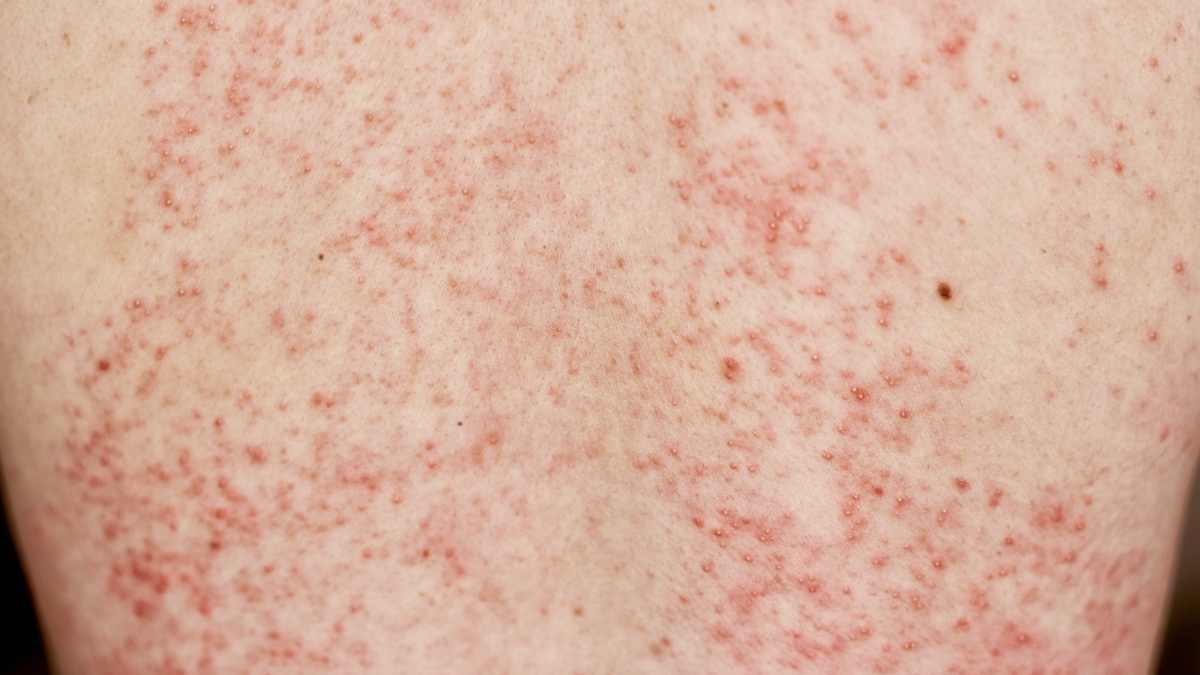
A red rash on the stomach can be a concerning symptom, often prompting individuals to seek answers regarding its cause. The skin, being the largest organ of the body, is susceptible to a variety of conditions that can manifest as rashes. Understanding the underlying mechanisms and potential triggers is crucial for effective management and treatment. This article delves into the anatomy of the skin, common dermatological conditions, allergic reactions, infections, autoimmune disorders, and when to seek medical attention.
Understanding the Anatomy of the Skin and Rashes
The skin is composed of multiple layers, primarily the epidermis, dermis, and subcutaneous tissue. Each layer plays a vital role in protecting the body from external threats and maintaining homeostasis. The epidermis serves as the first line of defense, while the dermis houses blood vessels, nerves, and connective tissue, contributing to skin’s elasticity and strength. A rash occurs when the skin becomes inflamed, leading to changes in color, texture, or appearance.
Rashes can vary significantly in presentation, ranging from flat, discolored patches to raised, itchy welts. The color of a rash, such as red, can indicate inflammation or irritation. The texture may also provide clues; for instance, a scaly rash might suggest a chronic condition, while a blistering rash could indicate an acute infection. Understanding these characteristics can help in identifying the underlying cause.
The location of the rash is also essential for diagnosis. A rash localized to the stomach may suggest contact dermatitis, infections, or systemic conditions. Additionally, accompanying symptoms such as itching, burning, or pain can provide further insight into the nature of the rash. By examining the skin’s anatomy and the characteristics of rashes, healthcare providers can better assess and diagnose the underlying issues.
In summary, the skin’s complex structure and the various types of rashes are fundamental to understanding the causes of a red rash on the stomach. Awareness of these factors is crucial for effective diagnosis and treatment.
Common Dermatological Conditions Leading to Stomach Rashes
Several dermatological conditions can lead to the development of a red rash on the stomach. One of the most common is eczema, or atopic dermatitis, which is characterized by dry, itchy skin and red patches. Eczema can flare up due to various triggers, including allergens, irritants, and stress. The rash often appears in patches and can be particularly bothersome, leading to scratching and further irritation.
Psoriasis is another chronic skin condition that can manifest as red, scaly patches on the stomach. This autoimmune disorder accelerates skin cell turnover, leading to the buildup of cells on the skin’s surface. Psoriasis can be triggered by factors such as stress, infections, or certain medications. The appearance of the rash is often distinct, with silvery scales that can be itchy or painful.
Contact dermatitis is a localized rash resulting from direct contact with an irritant or allergen. Common culprits include soaps, detergents, and certain fabrics. The rash typically appears shortly after exposure and may be accompanied by itching or burning sensations. Identifying the specific irritant is crucial for effective management and prevention of future occurrences.
Lastly, hives, or urticaria, can also present as a red rash on the stomach. Hives are raised, itchy welts that can vary in size and may appear suddenly. They are often a result of an allergic reaction but can also be triggered by stress, temperature changes, or certain medications. Understanding these common dermatological conditions is essential for recognizing and addressing the underlying causes of stomach rashes.
Allergic Reactions: Triggers and Symptoms Explained
Allergic reactions are a significant cause of skin rashes, including those on the stomach. When the immune system overreacts to a substance, it can trigger a cascade of inflammatory responses, leading to the development of a rash. Common allergens include food items, medications, insect stings, and environmental factors like pollen or pet dander.
The symptoms of an allergic reaction can vary widely. In some cases, the rash may appear as red, itchy welts, while in others, it may be more subtle, presenting as localized redness or swelling. Anaphylaxis, a severe allergic reaction, can also occur and may involve more systemic symptoms such as difficulty breathing, swelling of the face or throat, and a rapid heartbeat. Immediate medical attention is crucial in such cases.
Identifying the trigger of an allergic reaction is essential for preventing future occurrences. This may involve keeping a detailed diary of food intake, medication use, and environmental exposures. Skin tests or blood tests can also help determine specific allergens. Once identified, avoidance of the allergen is the most effective strategy for managing allergic reactions and associated rashes.
In summary, allergic reactions can lead to red rashes on the stomach due to the immune system’s response to various triggers. Understanding these triggers and recognizing the symptoms is vital for effective management and prevention.
Infections: Bacterial, Viral, and Fungal Causes
Infections are another common cause of rashes on the stomach, and they can be classified into bacterial, viral, and fungal origins. Bacterial infections, such as impetigo, can lead to red, oozing sores that may develop into crusty lesions. Impetigo is highly contagious and often affects children, but adults can also be susceptible, especially if they have compromised skin integrity.
Viral infections can also result in rashes. For example, the varicella-zoster virus, which causes chickenpox, can lead to an itchy, blister-like rash that often starts on the stomach and spreads. Other viral infections, such as measles and rubella, can present with widespread rashes and systemic symptoms. These viral rashes typically follow a specific course and may be accompanied by fever and other systemic signs.
Fungal infections like candidiasis can also manifest as red rashes, often in warm, moist areas of the skin. A common example is a yeast infection that can occur in skin folds, leading to a red, itchy rash. Treatment usually involves antifungal medications and maintaining good hygiene to prevent recurrence.
In conclusion, infections—whether bacterial, viral, or fungal—can lead to red rashes on the stomach. Recognizing the type of infection and understanding its symptoms are crucial for effective treatment and management.
Autoimmune Disorders: Their Role in Skin Manifestations
Autoimmune disorders can significantly impact skin health, leading to various rashes, including those on the stomach. Conditions such as lupus erythematosus can cause a distinctive butterfly-shaped rash across the cheeks and nose, but it may also present as red patches on the stomach. Lupus is characterized by the immune system attacking healthy tissues, leading to inflammation and skin changes.
Dermatomyositis is another autoimmune condition that can cause skin rashes. This disorder is characterized by muscle weakness and a distinctive rash that often appears on the stomach, shoulders, and back. The rash can be red or purplish and may be accompanied by other systemic symptoms, including fatigue and muscle pain.
Scleroderma is a chronic autoimmune disease that can lead to thickening and hardening of the skin. In its early stages, it may present as red patches or rashes on the stomach and other areas. This condition can also affect internal organs, making early diagnosis and treatment essential.
In summary, autoimmune disorders can manifest as red rashes on the stomach due to the immune system’s attack on the body’s tissues. Understanding these conditions and their skin manifestations is crucial for effective diagnosis and management.
When to Seek Medical Attention for Skin Rashes
While many rashes may resolve on their own, certain situations warrant medical attention. If a red rash on the stomach is accompanied by severe itching, pain, or swelling, it is advisable to consult a healthcare provider. These symptoms may indicate an allergic reaction or infection that requires prompt treatment.
Additionally, if the rash is persistent or worsening, it is essential to seek medical advice. Rashes that do not improve with over-the-counter treatments or home remedies may indicate an underlying condition that requires further evaluation. A healthcare provider can perform a thorough assessment, including a physical examination and possibly laboratory tests, to determine the cause.
Other concerning signs include fever, blistering, or oozing from the rash. These symptoms may suggest a more serious infection or a systemic issue that needs immediate attention. Early intervention can prevent complications and promote faster healing.
In conclusion, knowing when to seek medical attention for a red rash on the stomach is vital for ensuring proper care. Monitoring symptoms and recognizing warning signs can lead to timely diagnosis and treatment.
Conclusions:
A red rash on the stomach can arise from various causes, including dermatological conditions, allergic reactions, infections, and autoimmune disorders. Understanding these potential triggers is essential for effective management and treatment. If a rash is persistent, worsening, or accompanied by concerning symptoms, seeking medical attention is crucial. Awareness and education about skin health can empower individuals to take proactive steps in addressing skin concerns.
Read more
-
American Academy of Dermatology – Skin Rashes
A comprehensive resource on various skin rashes, their causes, and treatment options. -
Mayo Clinic – Skin Rash
Detailed information on symptoms, causes, and when to seek medical advice for skin rashes. -
National Eczema Association – Eczema
An informative guide on eczema, including triggers, symptoms, and management strategies. -
CDC – Chickenpox (Varicella)
A reliable source for information on chickenpox, including symptoms, complications, and prevention. -
NIH – Autoimmune Diseases
A resource from the National Institutes of Health discussing autoimmune diseases and their effects on skin health.