

Se hai un abbonamento attivo ACCEDI QUI
Introduction:
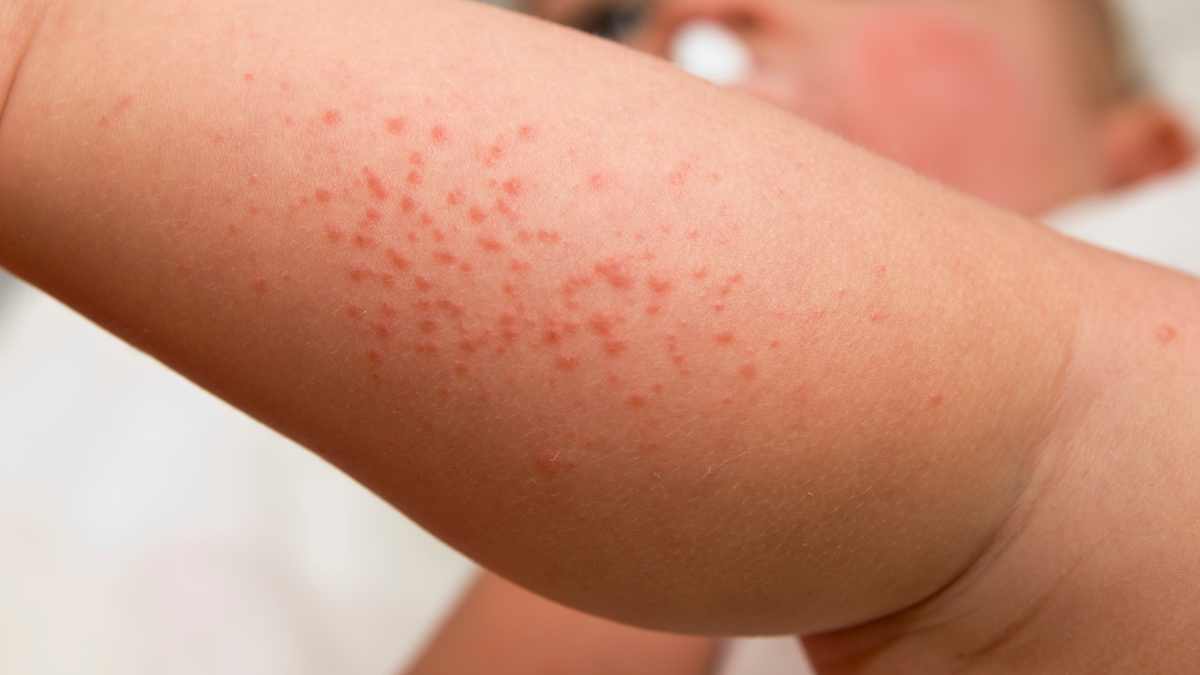
Small red spots on the skin can be a source of concern for many individuals, often prompting questions about their causes and implications. These spots may vary in size, shape, and distribution, and understanding their etiology is crucial for effective diagnosis and management. This article delves into the various factors contributing to the appearance of small red skin spots, exploring dermatological conditions, vascular causes, allergic reactions, infectious agents, and the diagnostic approaches used to identify these lesions.
Understanding the Etiology of Small Red Skin Spots
The appearance of small red spots on the skin can arise from a multitude of factors. Etiology refers to the study of causation, and in dermatology, it encompasses a wide range of underlying mechanisms. These spots may be benign or indicative of more serious health issues. Factors such as genetics, environmental influences, and underlying health conditions play critical roles in their development.
In many cases, small red spots are the result of vascular changes within the skin. These changes can be triggered by various stimuli, including trauma, inflammation, or increased pressure. Understanding these triggers is essential for determining whether the spots are transient or indicative of a chronic condition.
Additionally, systemic diseases can manifest through skin changes, including small red spots. Conditions such as autoimmune disorders, infections, and hematological issues can lead to the development of these lesions. Therefore, a comprehensive evaluation of the patient’s medical history and symptoms is vital.
Finally, lifestyle factors such as diet, stress, and exposure to irritants can also contribute to the appearance of red spots. Identifying these factors can aid in both prevention and treatment, emphasizing the importance of a holistic approach to skin health.
Common Dermatological Conditions Associated with Red Spots
Several dermatological conditions are commonly associated with the appearance of small red spots. One of the most prevalent is petechiae, which are tiny, pinpoint red spots resulting from bleeding under the skin. They can occur due to various reasons, including physical trauma, certain medications, or underlying medical conditions that affect blood clotting.
Another condition is urticaria, commonly known as hives, which can present as raised, red welts on the skin. These spots are often itchy and can result from allergic reactions or other triggers such as stress or infections. Understanding the underlying cause of urticaria is crucial for effective management.
Seborrheic keratosis is another benign skin condition that may present as small red or brown spots. These growths are often mistaken for warts or skin tags and are typically harmless. However, their appearance can cause concern, necessitating a proper diagnosis.
Lastly, rosacea is a chronic skin condition characterized by facial redness and the presence of small red spots. It often affects individuals with fair skin and can be exacerbated by environmental factors, certain foods, and stress. Proper management of rosacea can significantly improve the quality of life for affected individuals.
Vascular Causes: Petechiae and Purpura Explained
Vascular causes of small red spots, such as petechiae and purpura, are essential to understand due to their implications for systemic health. Petechiae are small, round spots that appear as a result of bleeding under the skin, often measuring less than 3 mm in diameter. They can occur in clusters and are typically painless. Common causes include physical trauma, infections, and certain medical conditions affecting platelet function.
Purpura, on the other hand, refers to larger areas of bleeding under the skin, typically measuring between 3 mm and 1 cm. This condition can indicate more severe underlying issues, such as vasculitis, thrombocytopenia, or coagulation disorders. The presence of purpura warrants a thorough medical evaluation to determine the underlying cause.
Both petechiae and purpura can occur in various locations on the body, often appearing on the lower extremities or around the eyes. Their appearance can be alarming, especially if associated with other symptoms such as fever, fatigue, or unexplained bruising.
In cases where petechiae or purpura are present, it is crucial to consider the patient’s overall health, including any recent illnesses or medications. Early recognition and intervention can be vital in addressing potential complications associated with these vascular changes.
Allergic Reactions: Mechanisms Behind Skin Manifestations
Allergic reactions can manifest in various ways, including the development of small red spots on the skin. These reactions occur when the immune system overreacts to a substance, known as an allergen, leading to inflammation and irritation. Common allergens include certain foods, medications, and environmental triggers such as pollen or pet dander.
The mechanism behind these skin manifestations involves the release of histamines and other inflammatory mediators from immune cells. This release causes increased blood flow to the affected area, resulting in redness and swelling. In some cases, the reaction can lead to the formation of hives or other types of dermatitis, characterized by small red spots.
Identifying the specific allergen responsible for the reaction is essential for effective management. This often involves a thorough patient history and may include allergy testing to pinpoint the offending agent. Once identified, avoidance of the allergen can significantly reduce the likelihood of future reactions.
In some cases, antihistamines or corticosteroids may be prescribed to alleviate symptoms associated with allergic reactions. Understanding the underlying mechanisms of these reactions is crucial for developing effective treatment strategies and improving patient outcomes.
Infectious Agents: Bacterial and Viral Contributions
Infectious agents, including bacteria and viruses, can also contribute to the appearance of small red spots on the skin. Bacterial infections, such as impetigo, can lead to the formation of red, crusty lesions that may be mistaken for other skin conditions. Impetigo is highly contagious and often affects children, necessitating prompt treatment to prevent further spread.
Viral infections can also manifest through skin changes, with conditions such as chickenpox and measles presenting with small red spots or rashes. Chickenpox, caused by the varicella-zoster virus, typically begins with small red spots that progress to vesicles. Similarly, measles presents with a characteristic rash that starts on the face and spreads to the rest of the body.
Infectious agents can also lead to more severe conditions, such as sepsis, where widespread inflammation occurs throughout the body, potentially resulting in petechiae or purpura. Identifying the infectious agent is crucial for initiating appropriate treatment, which may include antibiotics or antiviral medications.
Preventive measures, such as vaccinations and good hygiene practices, can significantly reduce the risk of infectious diseases that lead to skin manifestations. Understanding the role of infectious agents in the development of small red spots is essential for effective diagnosis and management.
Diagnostic Approaches for Identifying Skin Lesions
Diagnosing the cause of small red spots on the skin involves a comprehensive approach that includes a detailed patient history, physical examination, and diagnostic testing. Dermatologists often begin with a thorough assessment of the patient’s medical history, including any recent illnesses, medications, and potential exposures to allergens or infectious agents.
A physical examination is crucial for evaluating the characteristics of the red spots, including their size, shape, distribution, and associated symptoms. This examination can provide valuable clues regarding the underlying cause. For instance, the presence of other systemic symptoms may indicate a more serious condition that requires further investigation.
In some cases, laboratory tests may be necessary to confirm a diagnosis. These tests can include blood work to assess platelet levels, coagulation profiles, or allergy testing to identify specific allergens. Skin biopsies may also be performed to evaluate the histological characteristics of the lesions, particularly when the diagnosis is uncertain.
Ultimately, a multidisciplinary approach may be required for complex cases, involving collaboration between dermatologists, allergists, and other specialists. Early diagnosis and intervention are critical for managing the underlying causes of small red spots on the skin effectively.
Conclusions:
Small red spots on the skin can arise from various causes, ranging from benign dermatological conditions to more serious systemic issues. Understanding the etiology of these spots is vital for accurate diagnosis and treatment. By recognizing the common conditions associated with red spots, the vascular causes, allergic reactions, and infectious agents, healthcare providers can develop effective management strategies. A comprehensive diagnostic approach is essential for identifying the underlying causes and ensuring optimal patient care.
Read more:
- American Academy of Dermatology – Skin Conditions – A comprehensive resource on various skin conditions, including symptoms and treatments.
- Mayo Clinic – Petechiae – Detailed information on petechiae, including causes, symptoms, and treatment options.
- Cleveland Clinic – Allergic Skin Reactions – An overview of allergic skin reactions, their mechanisms, and management strategies.
- Centers for Disease Control and Prevention – Measles – Information on measles, including symptoms, prevention, and vaccination.
- National Institutes of Health – Skin Biopsy – An article discussing the role of skin biopsy in diagnosing skin lesions.