

Se hai un abbonamento attivo ACCEDI QUI
Introduction:
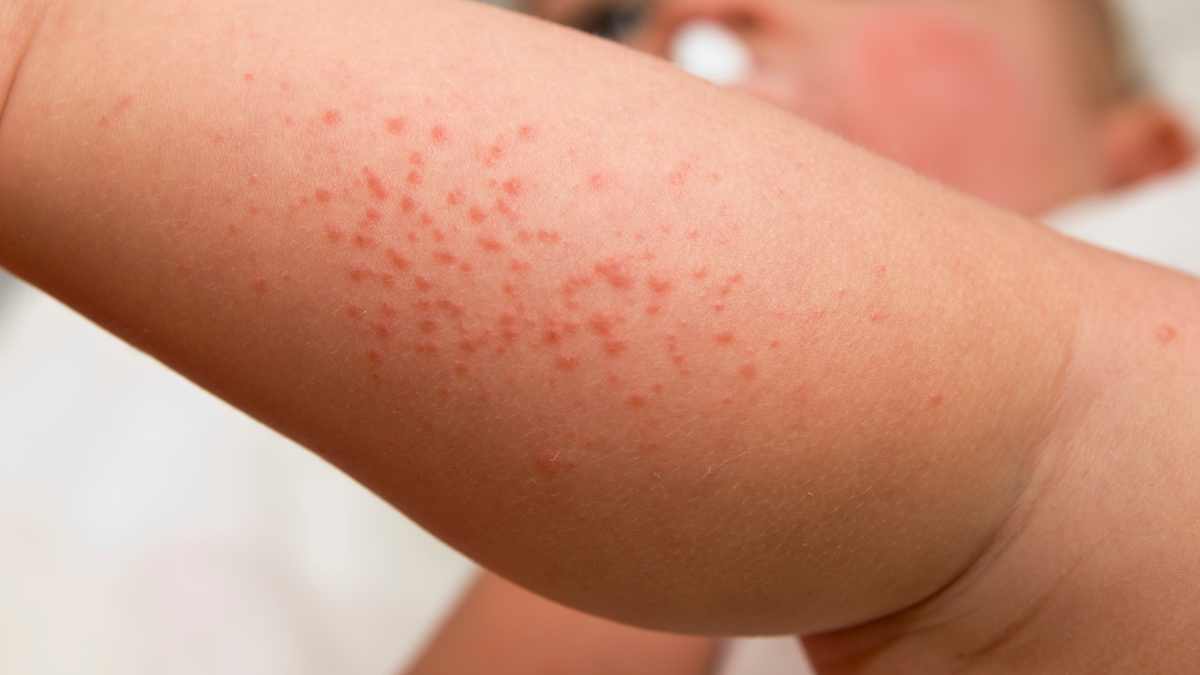
A sudden rash covering the body can be alarming and uncomfortable. Understanding the underlying causes is crucial for effective management and treatment. Rashes can arise from various factors, including allergens, infections, autoimmune disorders, and environmental influences. This article explores these mechanisms, providing insights into the common triggers and diagnostic approaches for identifying the cause of sudden rashes.
Understanding the Mechanisms Behind Sudden Body Rashes
The skin serves as a barrier between the body and the external environment, and when this barrier is compromised, it can lead to various skin reactions. Sudden rashes often result from an immune response to an irritant or pathogen, leading to inflammation and other symptoms. The body’s immune system may react excessively to harmless substances, resulting in conditions such as urticaria or contact dermatitis.
When the skin is exposed to allergens or irritants, it may release histamines and other inflammatory mediators. This process can cause redness, swelling, and itchiness, which are hallmark signs of a rash. The severity of the rash can vary significantly, from mild irritation to severe reactions requiring medical attention. Understanding these mechanisms helps in identifying potential triggers and managing symptoms effectively.
Moreover, the skin’s response can be influenced by genetic factors, which may predispose individuals to certain skin conditions. For instance, those with a family history of eczema or allergies may be more susceptible to developing rashes in response to environmental triggers. Recognizing these predispositions can aid in early intervention and prevention strategies.
Finally, the location and characteristics of the rash can provide clues about its cause. For instance, rashes that appear on exposed areas of the skin may suggest contact with an irritant, while rashes that are widespread may indicate a systemic issue. Understanding these nuances is essential for effective diagnosis and treatment.
Common Allergens and Irritants Triggering Skin Reactions
Allergens are substances that can provoke an immune response, leading to sudden rashes. Common allergens include pollen, pet dander, certain foods, and medications. For instance, reactions to shellfish or nuts can cause widespread hives, while exposure to latex may lead to localized rashes. Identifying these allergens is crucial for prevention and management.
Irritants, on the other hand, can be found in everyday products such as soaps, detergents, and cosmetics. Chemical irritants can cause contact dermatitis, characterized by red, itchy patches on the skin. Prolonged exposure to irritants can exacerbate the condition, leading to chronic skin issues. Understanding the difference between allergens and irritants is vital for effective treatment.
In addition to common household allergens, environmental factors such as temperature and humidity can also play a role in skin reactions. For example, excessive heat can lead to heat rash, while dry conditions may cause eczema flare-ups. Recognizing these environmental triggers can help individuals take proactive measures to protect their skin.
Lastly, it is essential to consider individual sensitivities to specific substances. What may cause a rash in one person may not affect another. Keeping a detailed record of exposures and reactions can aid healthcare providers in identifying potential allergens and irritants, leading to more effective management strategies.
Infections: Viral, Bacterial, and Fungal Contributions
Infections are another significant cause of sudden rashes. Viral infections such as measles, chickenpox, and rubella are well-known for causing characteristic rashes. These rashes often follow a specific progression, providing clues for diagnosis. For instance, the rash associated with chickenpox typically starts as small red spots that develop into fluid-filled blisters.
Bacterial infections, such as impetigo, can also lead to sudden rashes. Impetigo is highly contagious and often presents as red sores that can ooze and form a yellowish crust. Prompt treatment is essential to prevent the spread of infection and complications. Understanding the nature of the rash can help differentiate between viral and bacterial causes.
Fungal infections, such as tinea corporis (ringworm), can also manifest as rashes. These infections often present as circular, red patches with a clearer center, and they can be itchy. Antifungal treatments are typically effective in resolving these rashes, but accurate diagnosis is crucial to avoid mismanagement.
In some cases, rashes may be a sign of systemic infections. For example, conditions like syphilis and HIV can present with rashes as part of their clinical picture. Recognizing these associations is vital for timely diagnosis and treatment, highlighting the importance of a thorough medical evaluation when sudden rashes occur.
Autoimmune Disorders and Their Role in Skin Manifestations
Autoimmune disorders can significantly impact the skin, leading to sudden rashes as part of their clinical presentation. Conditions such as lupus, psoriasis, and dermatomyositis are characterized by immune system dysregulation, resulting in inflammation and skin lesions. Lupus, for instance, may cause a butterfly-shaped rash across the cheeks and nose, while psoriasis is marked by red, scaly patches on the skin.
These autoimmune conditions often require a multidisciplinary approach for management, involving dermatologists and rheumatologists. Treatment strategies may include immunosuppressive medications, topical therapies, and lifestyle modifications to manage symptoms and prevent flare-ups.
In addition to visible skin manifestations, autoimmune disorders can have systemic effects, leading to complications in other organs. For example, lupus can affect the kidneys and joints, necessitating comprehensive management. Understanding the broader implications of these disorders is crucial for effective treatment and patient education.
Furthermore, early diagnosis of autoimmune conditions is essential for improving outcomes. Patients presenting with sudden rashes should be evaluated for potential underlying autoimmune disorders, especially if accompanied by other systemic symptoms such as fatigue, joint pain, or fever. Timely intervention can significantly improve the quality of life for affected individuals.
Environmental Factors Influencing Sudden Rash Development
Environmental factors play a crucial role in the development of sudden rashes. Changes in weather, exposure to pollutants, and seasonal variations can all impact skin health. For instance, extreme temperatures can lead to heat rash or exacerbate conditions like eczema. Understanding these environmental influences can help individuals take preventive measures.
Pollutants and chemicals in the environment can also trigger skin reactions. Airborne irritants, such as smoke and industrial chemicals, can lead to contact dermatitis or exacerbate existing skin conditions. Individuals living in urban areas may be more susceptible to these environmental triggers, highlighting the need for awareness and protective measures.
Moreover, seasonal changes can influence the prevalence of certain allergens. For example, pollen levels tend to rise in spring, leading to increased allergic reactions in susceptible individuals. Understanding these seasonal patterns can aid in planning and prevention strategies to minimize exposure.
Finally, lifestyle factors such as stress, diet, and hygiene practices can also influence skin health. Stress can trigger or exacerbate skin conditions, while a balanced diet rich in vitamins and antioxidants can promote skin health. Recognizing the interplay between lifestyle and environmental factors is essential for effective management of sudden rashes.
Diagnostic Approaches for Identifying Rash Etiology
Accurate diagnosis of the underlying cause of sudden rashes is essential for effective treatment. A thorough medical history is often the first step in identifying potential triggers. Patients should provide information about recent exposures, medications, and any accompanying symptoms to help healthcare providers narrow down the possibilities.
Physical examination is another critical component of the diagnostic process. Dermatologists often assess the rash’s characteristics, including its location, appearance, and distribution. Specific patterns can provide valuable clues about the underlying cause, guiding further testing if necessary.
In some cases, additional diagnostic tests may be required. Skin biopsies, allergy testing, and blood tests can help confirm or rule out specific conditions. For example, a skin biopsy may be necessary to distinguish between autoimmune disorders and other skin conditions, while allergy testing can identify specific allergens responsible for the rash.
Finally, a multidisciplinary approach may be necessary for complex cases. Collaboration between dermatologists, allergists, and other specialists can provide a comprehensive evaluation and treatment plan. Effective communication among healthcare providers is crucial for ensuring optimal patient outcomes.
Conclusions:
Sudden rashes can arise from a multitude of causes, including allergens, infections, autoimmune disorders, and environmental factors. Understanding the mechanisms behind these skin reactions is essential for effective diagnosis and management. By recognizing common triggers and employing appropriate diagnostic approaches, healthcare providers can help patients navigate the challenges posed by sudden rashes, leading to timely and effective treatment.
Read more:
- American Academy of Dermatology – Rashes – A comprehensive resource on various types of rashes and their causes.
- Mayo Clinic – Skin Rash – Detailed information on skin rashes, including symptoms and treatment options.
- National Eczema Association – Eczema and Allergens – Insights into how allergens can trigger eczema and other skin reactions.
- Cleveland Clinic – Autoimmune Skin Disorders – Overview of various autoimmune skin disorders and their management.
- WebMD – Understanding Rashes – A guide to understanding different types of rashes and their potential causes.