

Introduction:
Itchy skin rashes can be a frustrating and uncomfortable experience for many individuals. They can arise from a variety of causes, ranging from allergic reactions to underlying medical conditions. Understanding the nature of these rashes, their symptoms, and the available treatment options is crucial for effective management. This article will explore the various creams that can alleviate itchy skin rashes, focusing on their key ingredients, over-the-counter options, prescription treatments, application techniques, and preventive measures.
Understanding Itchy Skin Rashes: Causes and Symptoms
Itchy skin rashes can manifest in several forms, including eczema, psoriasis, contact dermatitis, and hives. Each type has distinct characteristics, but they all share the common symptom of itching. Identifying the underlying cause is essential for effective treatment. Common triggers include allergens, irritants, infections, and even stress. Environmental factors such as humidity and temperature can also exacerbate these conditions.
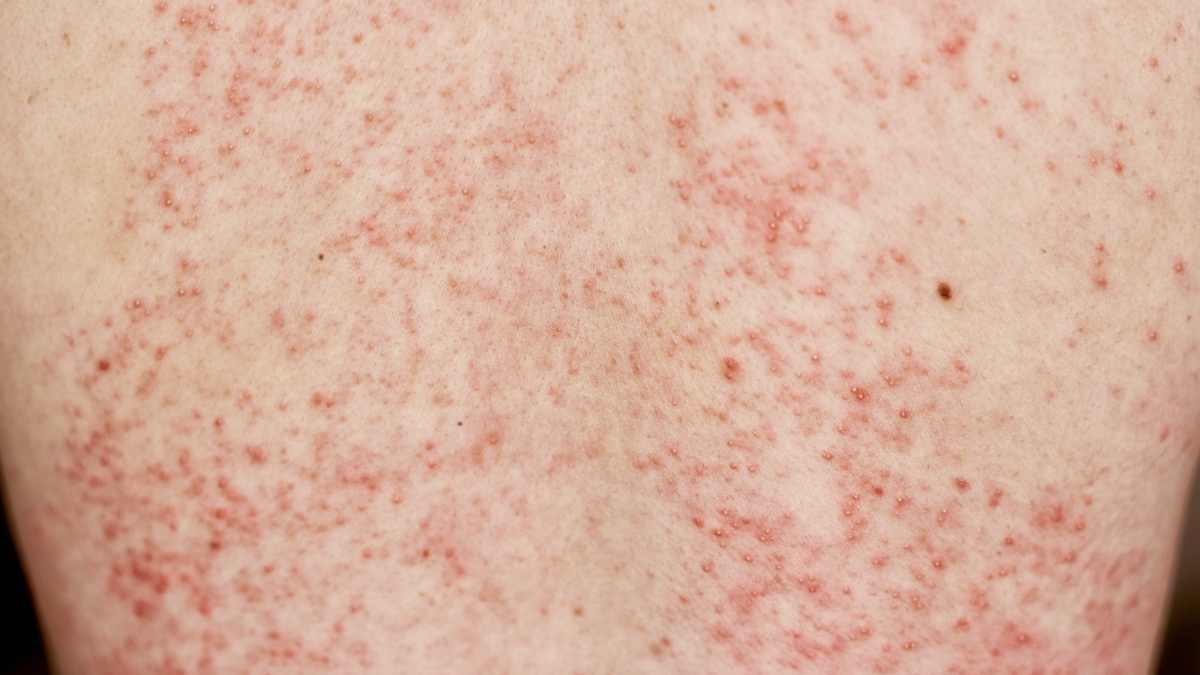
In addition to itching, symptoms may include redness, swelling, flaking, or blistering of the skin. Recognizing these symptoms early can help prevent further irritation and complications. For instance, scratching can lead to skin breaks, increasing the risk of infection. Moreover, chronic rashes may signify an underlying condition that requires medical attention. Keeping a record of the rash’s appearance and any associated symptoms can aid healthcare professionals in making an accurate diagnosis.
The duration and severity of the rash can also vary widely. Some individuals may experience acute episodes that resolve quickly, while others may suffer from persistent or recurrent rashes. Understanding the specific characteristics of your rash can guide treatment decisions. It is advisable to consult a healthcare provider if the rash persists for more than a few days, worsens, or is accompanied by other symptoms such as fever or difficulty breathing.
In summary, recognizing the type and cause of an itchy skin rash is the first step toward effective treatment. Awareness of symptoms can help individuals seek appropriate care and avoid worsening their condition. With this foundational knowledge, one can explore the various creams available to provide relief from itching and irritation.
Key Ingredients in Creams for Itchy Skin Relief
When selecting a cream for itchy skin rashes, it is essential to understand the key ingredients that contribute to their effectiveness. Hydrocortisone, a mild corticosteroid, is commonly found in over-the-counter creams and is effective in reducing inflammation and itching. It works by suppressing the immune response in the affected area, providing quick relief from discomfort. However, prolonged use can lead to skin thinning, so it should be used judiciously.
Another important ingredient is calamine lotion, which has soothing properties that can relieve itching and irritation. Calamine works by creating a barrier on the skin, reducing moisture loss and providing a cooling sensation. It is particularly beneficial for rashes caused by insect bites or poison ivy, as it helps to dry out oozing lesions.
For individuals with dry skin, creams containing moisturizers such as glycerin or hyaluronic acid can be beneficial. These ingredients help to hydrate the skin, preventing further irritation and promoting healing. Ointments with petrolatum or lanolin can also create a protective barrier, locking in moisture and reducing the risk of further rash development.
Lastly, antihistamines can be found in some creams and lotions aimed at relieving itching. These ingredients work by blocking histamine, a substance released during allergic reactions that causes itching and inflammation. While topical antihistamines can provide temporary relief, they should not be relied upon for long-term management of skin rashes.
Top Over-the-Counter Creams for Skin Rash Treatment
Several over-the-counter creams are widely recommended for treating itchy skin rashes. Cortizone-10 is a popular choice that contains hydrocortisone and is effective for reducing inflammation and itching associated with various skin conditions. It is suitable for mild to moderate rashes and can be applied up to four times a day.
Another effective option is Aveeno Anti-Itch Cream, which contains colloidal oatmeal. This ingredient is known for its soothing properties and is particularly beneficial for individuals with eczema or dry skin. The cream helps to restore the skin’s moisture barrier while alleviating itchiness.
For those dealing with poison ivy or insect bites, Bengay Pain Relieving Cream can provide relief. It contains menthol, which creates a cooling sensation that distracts from itching. While it is not a traditional anti-itch cream, its analgesic properties can be helpful in managing discomfort.
Lastly, Benadryl Itch Relief Cream combines diphenhydramine, an antihistamine, with soothing ingredients to provide fast relief from itching. This cream is particularly useful for allergic reactions and can be applied to the affected area several times a day.
Prescription Options: When to Consult a Dermatologist
While over-the-counter creams can be effective for many individuals, there are instances when a prescription may be necessary. Severe or persistent rashes that do not respond to topical treatments warrant a consultation with a dermatologist. A healthcare provider can assess the rash’s characteristics and recommend stronger medications, such as prescription-strength corticosteroids or immunomodulators.
In cases where the rash is suspected to be caused by a bacterial or fungal infection, a dermatologist may prescribe topical or oral antibiotics or antifungal medications. Identifying the underlying cause is crucial for effective treatment. For example, if a rash is due to a fungal infection, using a steroid cream without addressing the infection can worsen the condition.
For chronic skin conditions like psoriasis or atopic dermatitis, dermatologists may recommend biologic therapies that target specific pathways in the immune system. These treatments can be more effective than traditional topical therapies for individuals with moderate to severe cases.
In summary, if over-the-counter options fail to provide relief, or if the rash is accompanied by other concerning symptoms, it is essential to seek professional medical advice. A dermatologist can provide tailored treatment options that address the specific needs of the patient.
Application Techniques for Maximum Cream Efficacy
To maximize the efficacy of creams for itchy skin rashes, proper application techniques are essential. Before applying any cream, it is crucial to clean the affected area gently with mild soap and water. Pat the skin dry with a soft towel, as rubbing can exacerbate irritation. This step helps remove any irritants or allergens that may be contributing to the rash.
When applying the cream, use a small amount and gently massage it into the skin. Avoid excessive pressure, as this can further irritate the skin. It is advisable to apply the cream in a thin layer, ensuring even coverage without over-saturating the area. For creams containing corticosteroids, follow the specific instructions regarding the frequency and amount to use, as overuse can lead to side effects.
In some cases, covering the treated area with a bandage or dressing may enhance the cream’s effectiveness, especially for ointments that require prolonged contact with the skin. However, this should be done with caution, as it can trap moisture and lead to further irritation. Always consult product instructions or a healthcare provider for guidance on whether occlusion is appropriate.
Lastly, it is important to wash your hands thoroughly after applying the cream, especially if it contains active ingredients that could irritate other areas of the body or be ingested inadvertently. Maintaining good hygiene practices can prevent the spread of infection and promote healing.
Preventive Measures to Avoid Future Skin Irritations
Preventing itchy skin rashes involves a combination of lifestyle changes and skincare practices. Identifying and avoiding known irritants or allergens is the first step in prevention. This may include avoiding specific soaps, detergents, or fabrics that trigger reactions. Keeping a diary of flare-ups can help pinpoint triggers and inform future choices.
Moisturizing regularly is another effective preventive measure. Using fragrance-free moisturizers can help maintain skin hydration and barrier function, reducing the likelihood of rashes developing. Applying moisturizer immediately after bathing can lock in moisture and prevent dryness, which is a common precursor to skin irritation.
For individuals with sensitive skin, wearing loose-fitting, breathable clothing can minimize friction and irritation. Natural fibers like cotton are preferable over synthetic materials, which can trap heat and moisture. Additionally, practicing good skincare hygiene, such as avoiding hot showers and using mild cleansers, can help maintain skin integrity.
Finally, managing stress through relaxation techniques such as yoga, meditation, or regular exercise can also play a role in preventing skin rashes. Stress can exacerbate underlying skin conditions and trigger flare-ups. By adopting a holistic approach to skincare and lifestyle, individuals can significantly reduce their risk of developing itchy skin rashes in the future.
Conclusions:
Itchy skin rashes can significantly impact an individual’s quality of life, but understanding their causes and treatment options can lead to effective management. Various creams, both over-the-counter and prescription, are available to alleviate symptoms. By employing proper application techniques and preventive measures, individuals can reduce the frequency and severity of rashes. If symptoms persist or worsen, consulting a dermatologist is essential for tailored treatment.
Read more
-
American Academy of Dermatology – Eczema
This resource provides comprehensive information about eczema, its causes, symptoms, and treatment options. -
Mayo Clinic – Skin Rash
The Mayo Clinic offers detailed insights into various skin rashes, including potential causes and treatment recommendations. -
National Eczema Association – Treatment
This site focuses on eczema treatment options, including topical therapies and lifestyle modifications for managing symptoms. -
WebMD – Skin Rashes
WebMD provides an overview of different types of skin rashes, their causes, and when to seek medical attention. -
Cleveland Clinic – Contact Dermatitis
This resource discusses contact dermatitis, its triggers, symptoms, and effective treatment strategies.