

Se hai un abbonamento attivo ACCEDI QUI
Introduction:
Rash infections can be a source of discomfort and distress for many individuals. These skin conditions can arise from a variety of causes, including allergies, irritants, infections, or underlying health issues. Understanding how to effectively treat these rashes is crucial for alleviating symptoms and preventing further complications. This article explores the types of creams available for treating rash infections, the active ingredients to look for, application techniques, potential side effects, and when to seek professional medical advice.
Understanding Rash Infections: Causes and Symptoms
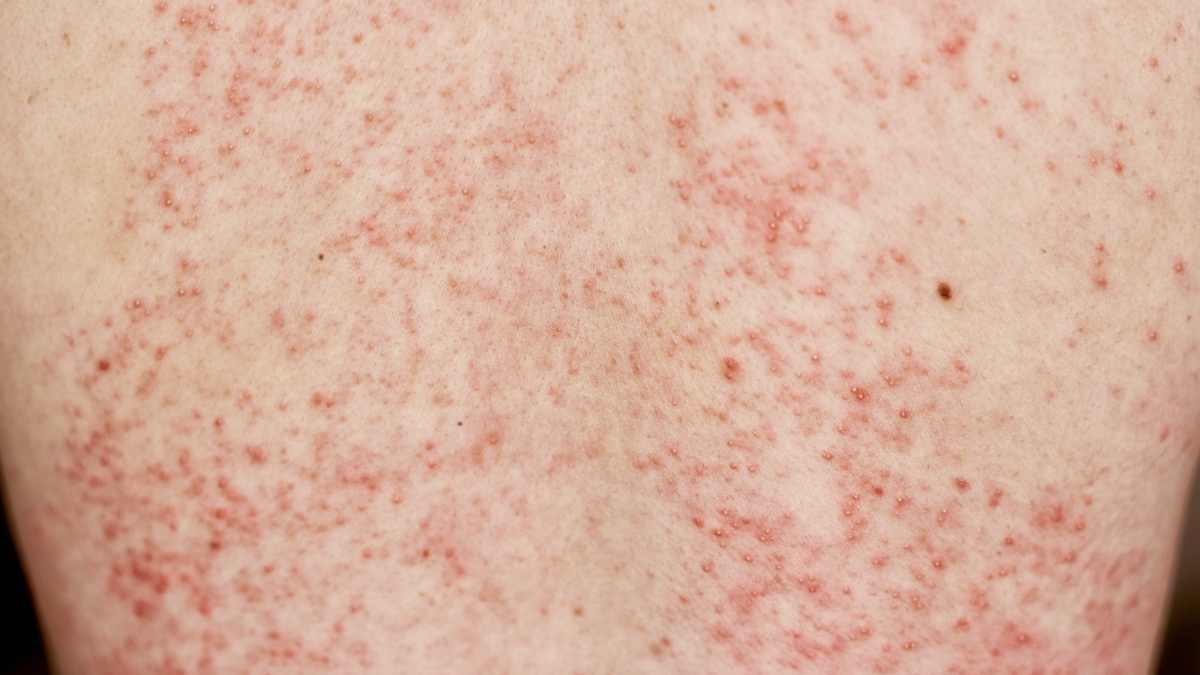
Rash infections can manifest in various forms, including redness, swelling, itching, and blistering. They may be caused by allergic reactions to substances such as soaps, detergents, or certain foods. Other common causes include irritant contact dermatitis, which occurs when the skin is exposed to harsh chemicals or materials, and infectious agents like bacteria, fungi, or viruses, which can lead to conditions such as impetigo or candidiasis.
Symptoms of rash infections can vary significantly depending on the underlying cause. For instance, allergic reactions may result in hives or localized swelling, while fungal infections often present as scaly patches with intense itching. In some cases, rashes may also be accompanied by systemic symptoms such as fever or malaise, indicating a more serious underlying condition that requires medical attention.
Identifying the specific cause of a rash is essential for effective treatment. A thorough medical history and examination can help pinpoint the trigger, allowing for targeted therapy. In some instances, patch testing may be employed to determine specific allergens responsible for the rash.
Understanding the symptoms and causes of rash infections is the first step toward effective management. By recognizing the signs early and implementing appropriate treatment strategies, individuals can minimize discomfort and prevent further complications.
Types of Creams for Treating Rash Infections
When it comes to treating rash infections, various types of creams are available, each designed to address specific symptoms and underlying causes. Topical corticosteroids are commonly used to reduce inflammation and itching associated with allergic reactions and inflammatory skin conditions. These creams vary in potency, and it’s crucial to choose the right strength based on the severity of the rash.
Antifungal creams are another category of topical treatments, specifically formulated to combat fungal infections like athlete’s foot or ringworm. These creams often contain active ingredients such as clotrimazole or miconazole, which target the fungal cells and help alleviate symptoms.
For bacterial infections, antibiotic creams can be effective in treating localized infections. These creams often contain ingredients like bacitracin or neomycin, which help to eliminate harmful bacteria and promote healing. It’s important to note that antibiotic creams should only be used when a bacterial infection is confirmed, as inappropriate use can lead to antibiotic resistance.
Additionally, moisturizing creams can play a supportive role in managing rashes by maintaining skin hydration and preventing further irritation. These creams are particularly beneficial for conditions like eczema or dry skin, where maintaining skin barrier function is essential for healing.
Active Ingredients to Look for in Creams
When selecting a cream for rash infections, it is essential to consider the active ingredients that can effectively address the underlying cause. Hydrocortisone is a common corticosteroid that helps reduce inflammation and itching. It is typically used for mild to moderate rashes and is available over the counter in various strengths.
For fungal infections, look for creams containing azole antifungals such as clotrimazole or ketoconazole. These ingredients work by disrupting the cell membrane of fungi, ultimately leading to their destruction. They are effective against a range of fungal conditions, including athlete’s foot and yeast infections.
In cases of bacterial infections, creams containing bacitracin or neomycin are often recommended. These antibiotics target specific bacteria and help prevent the spread of infection. However, it is crucial to use these creams judiciously, as overuse can contribute to the development of antibiotic-resistant bacteria.
Lastly, for general skin irritation and dryness, creams containing ceramides or glycerin can be beneficial. These ingredients help restore the skin barrier and retain moisture, which is particularly important for individuals with eczema or other chronic skin conditions.
Application Techniques for Optimal Effectiveness
Proper application techniques are vital for maximizing the effectiveness of creams used to treat rash infections. First, it is essential to clean the affected area thoroughly before applying any cream. This step helps remove any irritants or contaminants that may exacerbate the rash.
When applying the cream, use a thin layer and gently massage it into the skin. Avoid using excessive amounts, as this can lead to increased absorption and potential side effects. For corticosteroids, it is particularly important to follow the recommended dosage and frequency of application to avoid potential complications.
In some cases, occlusive dressings may be recommended to enhance the absorption of the cream and provide a protective barrier. This technique can be especially useful for treating stubborn rashes or those located in areas prone to friction. However, it is essential to ensure that the dressing is not applied too tightly, as this can lead to skin irritation.
Finally, it is crucial to monitor the rash’s response to treatment. If symptoms do not improve within a few days or worsen, it may be necessary to consult a healthcare professional for further evaluation and potential adjustment of the treatment plan.
Potential Side Effects of Rash Treatment Creams
While creams for treating rash infections can be highly effective, they may also come with potential side effects. Topical corticosteroids, for example, can lead to skin thinning, particularly with prolonged use or application of high-potency formulations. This condition, known as atrophy, can make the skin more susceptible to injury and infection.
Antibiotic creams can also cause side effects, including allergic reactions or contact dermatitis, which may exacerbate the rash rather than alleviate it. It is essential to discontinue use and consult a healthcare professional if any signs of an allergic reaction, such as increased redness, swelling, or itching, occur.
Fungal creams may lead to localized irritation or burning sensations upon application. While these side effects are generally mild, they can be uncomfortable for some individuals. If irritation persists, it may be necessary to switch to a different antifungal agent or formulation.
Lastly, overuse of any topical treatment can lead to tolerance, where the skin becomes less responsive to the medication. This phenomenon is particularly concerning with corticosteroids, as it may lead to a cycle of increasing potency and frequency of application, ultimately causing more harm than good.
When to Seek Professional Medical Advice for Rashes
While many rash infections can be managed with over-the-counter creams, there are instances when professional medical advice is essential. If a rash is accompanied by systemic symptoms such as fever, chills, or widespread body aches, it may indicate a more serious underlying condition that requires immediate attention.
Additionally, if a rash persists for more than a few days despite treatment, or if it worsens or spreads, it is advisable to consult a healthcare professional. This is especially important for rashes that involve the face, genitals, or other sensitive areas, as they may require specialized care.
Individuals with a history of severe allergic reactions or conditions such as eczema or psoriasis should also seek professional guidance when experiencing a new rash. These individuals may be at a higher risk for complications and may benefit from a tailored treatment plan.
Finally, if there are any concerns about the potential side effects of topical treatments or if a rash appears to be infected (indicated by increased pain, swelling, or pus), it is crucial to seek medical advice promptly. Early intervention can prevent complications and promote faster healing.
Conclusions:
In summary, understanding rash infections and their treatment options is essential for effective management. Choosing the right cream based on the rash’s cause, applying it correctly, and being aware of potential side effects can significantly enhance treatment outcomes. When in doubt, or if symptoms persist or worsen, seeking professional medical advice is always the best course of action.
Read more
- American Academy of Dermatology – Rashes and Skin Conditions – A comprehensive resource on various skin conditions, including rashes, their causes, and treatments.
- Mayo Clinic – Skin Rashes – Detailed information on the symptoms and causes of skin rashes, along with treatment options.
- MedlinePlus – Rash – A reliable source for understanding rashes, their treatment, and when to seek medical help.
- Cleveland Clinic – Skin Rashes: Causes, Symptoms, and Treatments – An overview of skin rashes, including types, causes, and recommended treatments.
- WebMD – Skin Rash Treatment – A guide to various treatments for skin rashes, including over-the-counter and prescription options.