

Se hai un abbonamento attivo ACCEDI QUI
Introduction:
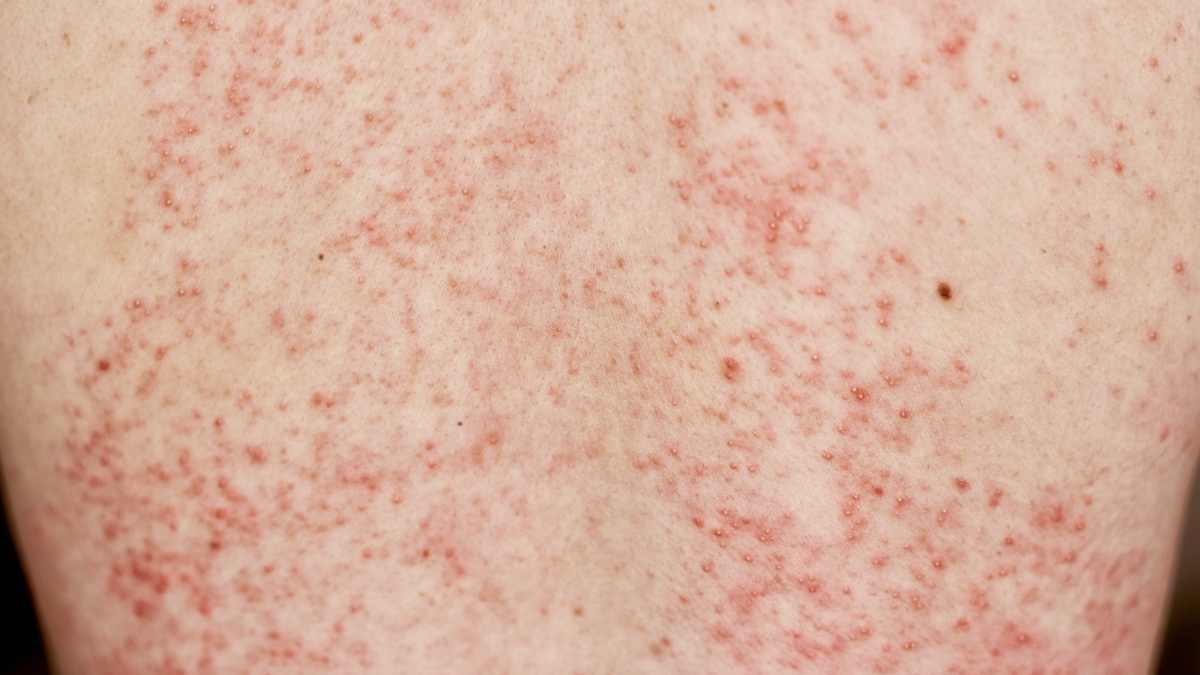
Skin rashes are a common dermatological issue that can arise from various causes, including allergies, infections, and underlying health conditions. They manifest as inflamed, irritated patches on the skin, often accompanied by symptoms like redness, itching, and discomfort. Understanding the type of rash and its underlying cause is crucial for effective treatment. This article explores the best creams for treating skin rashes, the key ingredients to look for, and when to seek professional help.
Understanding Skin Rashes: Types and Causes Explained
Skin rashes can be categorized into several types, including contact dermatitis, eczema, psoriasis, and fungal infections. Contact dermatitis occurs when the skin reacts to an irritant or allergen, leading to redness and swelling. Eczema, often seen in children, is characterized by dry, itchy patches that can become inflamed. Psoriasis is an autoimmune condition that results in thick, scaly patches on the skin, while fungal infections can lead to rashes that are often itchy and may appear in moist areas of the body.
The causes of skin rashes can be diverse. Allergens such as certain foods, medications, or environmental factors can trigger reactions. Infections caused by bacteria, viruses, or fungi can also lead to rashes. Additionally, underlying health issues such as autoimmune diseases or hormonal imbalances may manifest as skin rashes. Understanding the specific cause is essential for selecting the appropriate treatment.
Environmental factors, including heat and humidity, can exacerbate skin rashes, particularly in individuals with sensitive skin. Stress and lifestyle choices, such as diet and hygiene, also play a significant role in skin health. Identifying these triggers can help in managing and preventing future outbreaks.
In summary, recognizing the type and cause of a skin rash is the first step in effective treatment. A thorough understanding of the rash’s characteristics can guide individuals in choosing the right cream and seeking appropriate medical advice when necessary.
Key Ingredients in Creams for Treating Skin Rashes
When selecting creams for skin rashes, certain ingredients are particularly effective in alleviating symptoms. Hydrocortisone is a common anti-inflammatory agent that helps reduce redness and itching. It is particularly useful for conditions like eczema and contact dermatitis. Another key ingredient is calamine, which soothes irritated skin and provides a cooling effect, making it ideal for rashes caused by insect bites or poison ivy.
Emollients are essential for restoring moisture to the skin, especially for dry rashes. Ingredients like shea butter, glycerin, and lanolin help lock in hydration and create a protective barrier. This is crucial for conditions like eczema, where the skin’s natural moisture barrier is compromised.
Antihistamines can also be found in some creams, particularly those designed for allergic reactions. These ingredients help alleviate itching and discomfort associated with histamine release. Additionally, antifungal agents are necessary for treating rashes caused by fungal infections, such as athlete’s foot or ringworm.
Finally, natural ingredients like aloe vera and tea tree oil have anti-inflammatory and antimicrobial properties that can soothe the skin and promote healing. Choosing a cream with a combination of these ingredients can provide comprehensive relief from skin rashes.
Top Recommended Creams for Common Skin Rashes
For contact dermatitis, creams containing hydrocortisone are highly recommended. Products like Cortizone-10 provide fast relief from itching and inflammation. For eczema, Eucerin Eczema Relief Cream is a popular choice, as it combines emollients with colloidal oatmeal to soothe and hydrate the skin.
When dealing with psoriasis, Tazorac Cream is often prescribed, as it contains retinoids that help reduce scaling and inflammation. For fungal infections, Lotrimin Antifungal Cream is effective in treating athlete’s foot and ringworm, providing relief from itching and irritation.
For general skin irritation, Aveeno Daily Moisturizing Lotion is an excellent option. It contains natural colloidal oatmeal, which is known for its soothing properties. For insect bites or poison ivy rashes, Calamine Lotion offers quick relief from itching and discomfort.
These creams are widely available and have been tested for efficacy. However, it is essential to read labels and consult with a healthcare provider to ensure the selected cream is suitable for the specific type of rash.
Application Techniques for Optimal Cream Effectiveness
To maximize the effectiveness of creams for skin rashes, proper application techniques are crucial. First, the affected area should be gently cleansed with mild soap and water to remove any irritants. Pat the skin dry with a soft towel, avoiding any vigorous rubbing that could exacerbate irritation.
When applying the cream, use a small amount and gently massage it into the skin. Applying in a thin layer is often more effective than using a thick layer, as it allows for better absorption. It is also advisable to apply the cream in the direction of hair growth to minimize irritation.
Timing is important; creams should be applied at regular intervals as directed, often two to three times daily. For best results, it may be beneficial to apply the cream after bathing when the skin is still slightly damp, as this can help lock in moisture.
Finally, it is essential to avoid occlusive dressings unless advised by a healthcare professional, as this can trap moisture and potentially worsen some rashes. Following these application techniques can enhance the cream’s effectiveness and promote faster healing.
Potential Side Effects of Creams for Skin Rashes
While creams can provide significant relief from skin rashes, they may also have potential side effects. Hydrocortisone creams, for example, can cause skin thinning, especially with prolonged use. This side effect is more pronounced in sensitive areas, such as the face or groin, where the skin is thinner.
Some individuals may experience allergic reactions to certain ingredients in creams, leading to increased redness, itching, or swelling. It is crucial to perform a patch test before using a new product extensively. Emollients and moisturizers are generally well-tolerated, but some people may find certain fragrances or preservatives irritating.
Additionally, overuse of antifungal creams can lead to skin irritation and may disrupt the natural balance of skin flora, potentially worsening fungal infections. Therefore, it’s essential to follow the recommended usage guidelines and consult a healthcare provider if symptoms persist or worsen.
In summary, while creams can be beneficial for treating skin rashes, awareness of potential side effects is crucial. Monitoring the skin’s response to treatment can help prevent complications and ensure effective management of the rash.
When to Consult a Dermatologist for Skin Rashes
While many skin rashes can be managed with over-the-counter creams, there are instances when consulting a dermatologist is necessary. If a rash persists for more than two weeks despite treatment, it may indicate an underlying condition that requires professional evaluation. Severe rashes that are accompanied by systemic symptoms, such as fever or difficulty breathing, should be treated as medical emergencies.
Individuals experiencing significant discomfort, pain, or swelling should seek medical advice. A dermatologist can provide a more accurate diagnosis and may prescribe stronger medications or topical treatments that are not available over the counter. Additionally, if a rash is recurrent or spreads rapidly, professional assessment is essential to determine the underlying cause.
Certain populations, such as infants, elderly individuals, or those with compromised immune systems, may be at higher risk for complications from skin rashes. In these cases, prompt medical attention is advisable to prevent further issues.
In conclusion, understanding when to seek professional help can lead to more effective treatment and management of skin rashes. A dermatologist can provide tailored advice and treatment options based on individual needs.
Conclusions:
Skin rashes can significantly impact quality of life, but with the right knowledge and products, relief is achievable. Understanding the types and causes of rashes, key ingredients in creams, and proper application techniques can empower individuals to manage their skin health effectively. However, awareness of potential side effects and knowing when to consult a dermatologist are equally important in ensuring optimal skin care.
Read more
- American Academy of Dermatology – Skin Rashes – A comprehensive resource on various skin rashes, their causes, and treatment options.
- Mayo Clinic – Eczema – Detailed information about eczema, including symptoms and treatment strategies.
- Cleveland Clinic – Psoriasis – Insights into psoriasis, its management, and available treatments.
- WebMD – Skin Rashes – An overview of different types of skin rashes and their treatments.
- Healthline – Contact Dermatitis – A guide to contact dermatitis, including causes, symptoms, and treatment options.