

Introduction:
Autoimmune hives, also known as chronic spontaneous urticaria, are a complex condition characterized by the presence of hives triggered by the body’s immune response. Unlike typical hives caused by allergens, autoimmune hives arise from an internal malfunction of the immune system. Understanding the characteristics, symptoms, and treatment options for autoimmune hives is crucial for effective management and improved quality of life for affected individuals.
Understanding Autoimmune Hives: An Overview of Symptoms
Autoimmune hives are primarily characterized by the sudden appearance of raised, itchy welts on the skin. These welts can vary in size and shape, often resembling classic hives but with distinct underlying mechanisms. Patients may experience intense itching, burning, or stinging sensations, which can lead to significant discomfort. The symptoms can be unpredictable, with hives appearing and disappearing over hours or days without any apparent external trigger.
In many cases, autoimmune hives can be associated with other autoimmune conditions, such as thyroid disease or lupus. This association can complicate the clinical picture, as patients may present with a range of symptoms beyond skin manifestations. Fatigue, joint pain, and gastrointestinal disturbances may also be reported, making it essential for healthcare providers to conduct a thorough assessment of the patient’s overall health.
The duration of hives can vary significantly; some individuals may experience episodes for weeks, months, or even years. This chronic nature can lead to psychological distress, including anxiety and depression, as patients struggle with the unpredictability of flare-ups. Understanding the full spectrum of symptoms is vital for both patients and healthcare providers in managing this complex condition effectively.
Moreover, the severity of symptoms can fluctuate, with some patients experiencing mild irritation while others suffer from debilitating itching and swelling. Identifying and documenting these symptoms is crucial for establishing a diagnosis and developing an appropriate treatment plan tailored to the individual’s needs.
Clinical Presentation: Visual Characteristics of Autoimmune Hives
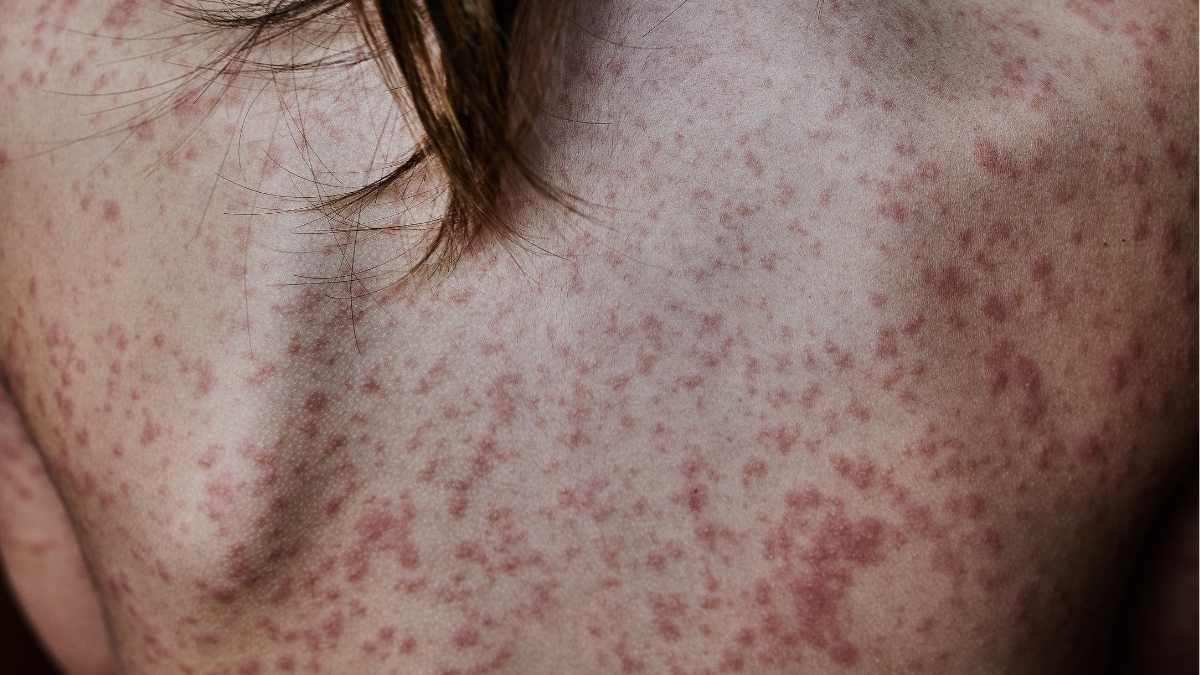
The visual characteristics of autoimmune hives can often be mistaken for other dermatological conditions. Typically, the hives present as raised, red or skin-colored welts that can appear anywhere on the body. These welts may be surrounded by areas of swelling and can vary in size from a few millimeters to several centimeters. Unlike other forms of hives, autoimmune hives may not always exhibit the classic wheal-and-flare response, making them more challenging to identify.
In some cases, the hives may appear in clusters, leading to larger areas of affected skin. The welts can change shape and size over time, often merging to form larger patches. The skin may also exhibit signs of inflammation, such as redness and warmth, which can further complicate the clinical picture. Patients may also experience angioedema, which is a deeper swelling of the skin that can affect areas such as the eyes, lips, and throat.
It is important to note that the appearance of autoimmune hives can vary significantly from one patient to another. Some individuals may have more prominent welts, while others may have more subtle manifestations. This variability underscores the importance of a comprehensive clinical evaluation to accurately diagnose and manage the condition.
Additionally, the chronic nature of autoimmune hives means that patients may develop secondary skin changes due to persistent scratching or irritation. This can lead to thickened skin, hyperpigmentation, or even scarring in some cases. Recognizing these secondary changes is essential for providing holistic care and addressing the long-term effects of the condition.
Distinguishing Features: Autoimmune Hives vs. Other Types
Differentiating autoimmune hives from other types of urticaria or skin conditions is crucial for effective management. Allergic urticaria, for instance, is typically triggered by an external allergen, such as food, medication, or insect stings. In contrast, autoimmune hives arise from an internal immune response, often without any identifiable external trigger. This distinction is essential for guiding treatment strategies.
Another key difference lies in the duration and recurrence of symptoms. Allergic hives usually resolve quickly once the triggering allergen is removed, while autoimmune hives can persist for extended periods, often requiring ongoing management. The chronic nature of autoimmune hives can lead to a cycle of flare-ups and remissions, complicating the patient’s experience and necessitating a tailored approach to treatment.
Furthermore, autoimmune hives may present alongside other autoimmune disorders, which can provide additional clues for diagnosis. Conditions such as Hashimoto’s thyroiditis or systemic lupus erythematosus may coexist with autoimmune hives, highlighting the need for a comprehensive evaluation of the patient’s medical history and symptoms.
In clinical practice, healthcare providers must consider these distinguishing features when evaluating a patient with suspected hives. A thorough history, physical examination, and, if necessary, laboratory tests can help clarify the diagnosis and guide appropriate treatment options.
Pathophysiology: Mechanisms Behind Autoimmune Hives Formation
The formation of autoimmune hives is primarily driven by a dysregulation of the immune system. In these cases, the body mistakenly identifies its own tissues as foreign, leading to the release of histamine and other inflammatory mediators. This immune response results in the characteristic symptoms of hives, including itching, redness, and swelling.
Research has identified several potential triggers for this autoimmune response, including infections, stress, and certain medications. In some patients, the exact cause remains elusive, which can complicate treatment efforts. The involvement of autoantibodies—proteins produced by the immune system that mistakenly target the body’s own cells—has been a focal point in understanding the pathophysiology of autoimmune hives.
Additionally, mast cells, which play a crucial role in allergic reactions, are also implicated in the development of autoimmune hives. These cells release histamine and other mediators upon activation, contributing to the inflammatory response. The interaction between autoantibodies and mast cells may lead to a heightened sensitivity, resulting in the spontaneous appearance of hives.
Understanding the underlying mechanisms of autoimmune hives is essential for developing targeted therapies. By identifying specific pathways involved in the immune response, researchers can explore new treatment options that may offer relief for patients suffering from this challenging condition.
Diagnostic Criteria: Identifying Autoimmune Hives in Patients
Diagnosing autoimmune hives involves a comprehensive approach that includes a detailed medical history, physical examination, and, in some cases, laboratory tests. The clinician will typically begin by assessing the patient’s symptoms, including the duration, frequency, and characteristics of the hives. A thorough history of any associated symptoms, such as joint pain or fatigue, can provide valuable insights into potential underlying autoimmune conditions.
Physical examination is crucial for identifying the characteristic features of hives. The clinician will look for raised welts, swelling, and other signs of inflammation on the skin. In some cases, dermatographism—a condition where hives develop in response to scratching or pressure—may also be observed, which can help confirm a diagnosis of urticaria.
Laboratory tests may be utilized to rule out other conditions and assess for the presence of autoantibodies. Tests may include thyroid function tests, complete blood counts, and specific autoantibody panels, depending on the clinical suspicion of underlying autoimmune diseases. These tests can help identify any coexisting conditions that may be contributing to the hives.
Ultimately, a definitive diagnosis of autoimmune hives is made when other potential causes of urticaria have been excluded. Collaboration between dermatologists, allergists, and primary care providers is often necessary to ensure a comprehensive evaluation and appropriate management plan tailored to the patient’s unique needs.
Management Strategies: Treating Autoimmune Hives Effectively
Effective management of autoimmune hives requires a multifaceted approach tailored to the individual patient. The first line of treatment typically involves the use of antihistamines to alleviate itching and reduce the appearance of hives. Non-sedating antihistamines are often preferred, as they minimize drowsiness and allow patients to maintain their daily activities.
In cases where antihistamines are insufficient, healthcare providers may consider the addition of other medications, such as corticosteroids, to manage more severe symptoms. These medications can help reduce inflammation and provide rapid relief from acute flare-ups. However, their long-term use is generally avoided due to potential side effects.
For patients with persistent or refractory symptoms, newer therapies such as omalizumab, a monoclonal antibody that targets IgE, may be considered. This treatment has shown promise in clinical trials and can provide significant relief for individuals with chronic spontaneous urticaria, including those with autoimmune hives. Other emerging therapies, such as immunosuppressants, may also be explored in cases where traditional treatments fail.
In addition to pharmacological interventions, lifestyle modifications can play a crucial role in managing autoimmune hives. Patients are encouraged to identify and avoid potential triggers, such as stress or certain foods, and to adopt strategies for stress management. Education and support are also essential components of care, as patients may benefit from connecting with support groups or counseling services to address the emotional impact of living with a chronic condition.
Conclusions:
Autoimmune hives present a unique challenge for both patients and healthcare providers. Understanding the symptoms, clinical presentation, and underlying mechanisms is crucial for accurate diagnosis and effective management. By employing a comprehensive approach that includes both pharmacological and lifestyle interventions, patients can achieve better control over their symptoms and improve their quality of life.
Read more
- American Academy of Dermatology – Urticaria – Comprehensive information on urticaria, including types, causes, and treatment options.
- National Institute of Allergy and Infectious Diseases – Urticaria – Overview of urticaria, its symptoms, and research initiatives.
- Mayo Clinic – Chronic Hives (Urticaria) – Detailed resource on chronic hives, including causes, symptoms, and management strategies.
- Cleveland Clinic – Chronic Spontaneous Urticaria – Insights into chronic spontaneous urticaria, including diagnostic criteria and treatment options.
- Journal of Allergy and Clinical Immunology – Autoimmune Urticaria – A peer-reviewed article discussing the pathophysiology and management of autoimmune urticaria.