

Se hai un abbonamento attivo ACCEDI QUI
Introduction:
Shingles, also known as herpes zoster, is a viral infection characterized by a painful rash. It is caused by the reactivation of the varicella-zoster virus, the same virus responsible for chickenpox. While many individuals may be familiar with the term "shingles," understanding its visual characteristics can be crucial for early identification and treatment. This article will delve into the various aspects of shingles, including its symptoms, appearance, and potential complications.
Understanding Shingles: An Overview of the Condition
Shingles primarily affects individuals who have previously had chickenpox, as the varicella-zoster virus remains dormant in the body after the initial infection. This reactivation can occur due to various factors, including stress, weakened immune systems, or advancing age. The condition is not contagious in the same way as chickenpox; however, a person with shingles can transmit the virus to someone who has never had chickenpox, leading to chickenpox rather than shingles.
The incidence of shingles increases with age, particularly in individuals over 50. The Centers for Disease Control and Prevention (CDC) estimates that approximately one in three individuals will develop shingles in their lifetime. Early recognition of the condition is vital, as prompt treatment can help reduce the severity of symptoms and the risk of complications.
Shingles can occur anywhere on the body but typically presents as a localized rash. The pain associated with shingles can be severe and is often described as burning, tingling, or stabbing. This pain may precede the rash by several days, serving as an early warning sign of the impending outbreak.
Understanding the nature of shingles is essential for both patients and healthcare providers. By recognizing the initial symptoms and visual indicators of the condition, individuals can seek timely medical intervention, which can significantly improve outcomes.
Clinical Presentation: Initial Symptoms of Shingles
The initial symptoms of shingles often include localized pain, itching, or tingling in a specific area of the skin. This prodromal phase may last for a few days before the appearance of the characteristic rash. Many patients report a sense of discomfort that can be mistaken for other conditions, which can delay diagnosis.
In addition to localized pain, some individuals may experience flu-like symptoms such as fever, headache, and fatigue. These systemic symptoms can vary in intensity and may not be present in all cases. The combination of localized pain and systemic symptoms can create a confusing clinical picture, making it essential for healthcare providers to consider shingles in their differential diagnosis.
As the condition progresses, the initial symptoms often intensify, leading to increased discomfort. The pain may become more pronounced, and the itching can become unbearable for some individuals. Recognizing these early signs is crucial, as they can indicate the onset of a shingles outbreak.
Prompt medical attention is recommended if shingles is suspected, as antiviral medications can help reduce the duration and severity of the illness. Early intervention can also minimize the risk of complications, which can significantly impact a patient’s quality of life.
Visual Characteristics: Rash and Blister Formation
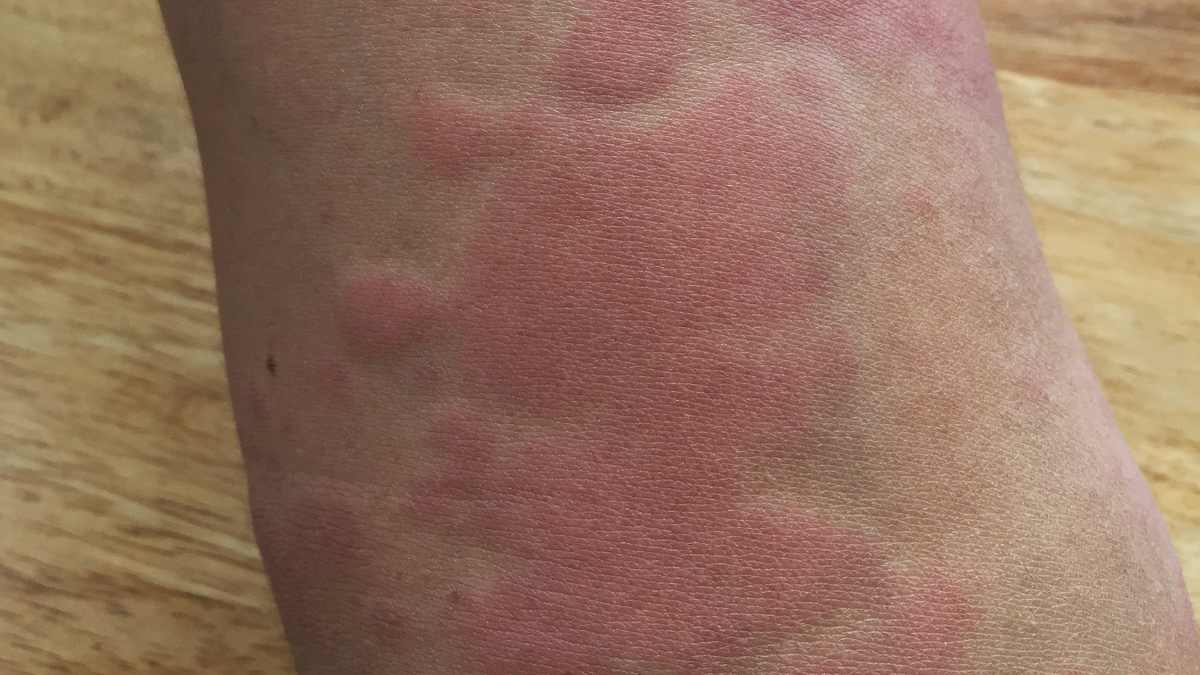
The hallmark of shingles is the distinctive rash that typically appears several days after the onset of initial symptoms. The rash usually begins as small red spots that quickly evolve into fluid-filled blisters. These blisters often cluster together in a band-like pattern, following the distribution of the affected nerve.
As the rash progresses, the blisters may rupture, leading to the formation of crusts. This crusting phase is an essential part of the healing process, and it usually occurs within 7 to 10 days after the rash first appears. The entire process, from the initial rash to crusting, generally lasts about two to four weeks.
The rash is often accompanied by significant pain, which can be severe and debilitating. This pain is a result of the inflammation of the nerves affected by the virus. The combination of the rash and the associated pain can significantly impact a person’s daily activities and overall well-being.
In some cases, shingles can lead to complications such as postherpetic neuralgia, where the pain persists even after the rash has healed. This condition can be particularly challenging to manage and may require specialized treatment to alleviate the ongoing discomfort.
Color and Texture: Distinguishing Features of Shingles
The visual characteristics of shingles are crucial for identification. The rash typically starts as small red bumps that develop into fluid-filled blisters, which can be described as vesicular lesions. These blisters are often clear at first but may become cloudy as they progress. The color of the rash can vary, with the initial redness transitioning to a more intense hue as the condition worsens.
The texture of the shingles rash is also notable. The blisters are raised and can feel smooth to the touch. As the blisters burst and begin to crust over, the texture changes, becoming rough and scab-like. This transition is an important indicator of the healing process, and the presence of crusts can help differentiate shingles from other skin conditions.
In some cases, the rash may be accompanied by hyperpigmentation or discoloration in the affected area after the lesions have healed. This can lead to lingering changes in skin tone, which may take time to resolve. Understanding these visual aspects is essential for both patients and healthcare providers in recognizing and managing shingles effectively.
It is important to note that while the rash is a key feature of shingles, the accompanying pain and discomfort are often more distressing for patients. The visual characteristics, combined with the clinical presentation, provide a comprehensive understanding of the condition.
Distribution Patterns: Common Areas Affected by Shingles
Shingles typically follows a dermatomal pattern, affecting specific areas of the body that correspond to the distribution of nerves. The most common sites for shingles outbreaks are the torso, face, and neck. In many cases, the rash appears on one side of the body, following the path of a single nerve root.
The thoracic region is particularly susceptible, with many individuals experiencing shingles along the rib cage. This can lead to significant discomfort and pain, often described as a burning sensation. The facial area is another common site, where shingles can affect the eye and lead to complications such as herpes zoster ophthalmicus.
While shingles can occur in any dermatome, it is less common for the rash to appear on the extremities. However, when it does, it can be particularly painful and may lead to complications if not treated promptly. Understanding the typical distribution patterns can assist healthcare providers in making an accurate diagnosis and providing appropriate care.
In some cases, shingles may affect multiple dermatomes, leading to a more extensive rash and increased discomfort. This is known as disseminated shingles and may occur in individuals with weakened immune systems. Recognizing these patterns is essential for effective management and treatment.
Complications: Recognizing Severe Manifestations of Shingles
While many cases of shingles resolve without significant complications, some individuals may experience severe manifestations that require immediate medical attention. One of the most common complications is postherpetic neuralgia (PHN), characterized by persistent pain in the area where the rash occurred, even after the lesions have healed. This condition can be debilitating and may last for months or even years.
Another serious complication is herpes zoster ophthalmicus, which occurs when the virus affects the eye. This can lead to vision loss if not treated promptly. Symptoms may include redness, swelling, and pain around the eye, along with potential changes in vision. Individuals experiencing these symptoms should seek immediate medical evaluation.
In rare cases, shingles can lead to more severe complications such as pneumonia, encephalitis, or bacterial superinfection of the skin lesions. These complications are more likely to occur in individuals with compromised immune systems or underlying health conditions. Recognizing the signs of these severe manifestations is crucial for timely intervention.
Overall, the potential for complications underscores the importance of early diagnosis and treatment of shingles. Healthcare providers should educate patients about the risks associated with the condition and encourage them to seek medical attention if they experience any concerning symptoms.
Conclusions:
Shingles is a complex condition with distinct visual characteristics and potential complications. Understanding what shingles looks like, from the initial symptoms to the rash’s appearance and distribution, is essential for early diagnosis and effective management. By recognizing the signs and seeking timely medical attention, individuals can minimize the impact of shingles on their lives and reduce the risk of complications.
Read more:
- Centers for Disease Control and Prevention (CDC) – Shingles (Herpes Zoster) – Comprehensive information on shingles, including symptoms, treatment, and prevention strategies.
- Mayo Clinic – Shingles – Detailed overview of shingles, including clinical presentation and management options.
- National Institute of Neurological Disorders and Stroke (NINDS) – Shingles – Educational resources on shingles and its neurological implications.
- American Academy of Dermatology – Shingles – Insights into the dermatological aspects of shingles and treatment recommendations.
- WebMD – Shingles Overview – A patient-friendly guide to understanding shingles, including symptoms and treatment options.