

Se hai un abbonamento attivo ACCEDI QUI
Introduction:
Blood disorders encompass a wide range of conditions that affect the production and function of blood cells, leading to various systemic symptoms. Among these manifestations, skin rashes are particularly notable, as they can serve as visible indicators of underlying hematological issues. Understanding the connection between blood disorders and skin rashes is crucial for early diagnosis and effective management. This article delves into the types of rashes associated with blood disorders, their clinical characteristics, diagnostic approaches, treatment options, and when to seek medical attention.
Understanding Blood Disorders and Their Skin Manifestations
Blood disorders can be classified into several categories, including anemias, coagulation disorders, and leukemias. Each type can produce distinct skin manifestations due to the underlying pathophysiology. For instance, individuals with anemia may experience pallor and fatigue, while those with coagulation disorders might present with easy bruising or petechiae. These skin changes often serve as critical clues in diagnosing the specific blood disorder affecting the patient.
The skin serves as a reflection of systemic health, and alterations in blood components can lead to various dermatological symptoms. For example, low platelet counts in thrombocytopenia can result in bleeding under the skin, leading to rashes that may appear as small red or purple spots. Understanding these connections is vital for healthcare providers, as skin manifestations can sometimes be the first indication of a more serious underlying condition.
Moreover, the immune response plays a significant role in the development of skin rashes associated with blood disorders. Conditions like autoimmune hemolytic anemia can cause skin lesions due to the body’s immune system attacking its own red blood cells. This highlights the importance of recognizing the multifaceted relationship between blood disorders and dermatological symptoms.
In summary, the skin can provide valuable insights into blood disorders, making it essential for both patients and healthcare professionals to be aware of the potential rashes and their implications. Early recognition of these symptoms can lead to timely interventions and improved patient outcomes.
Common Types of Rashes Associated with Blood Disorders
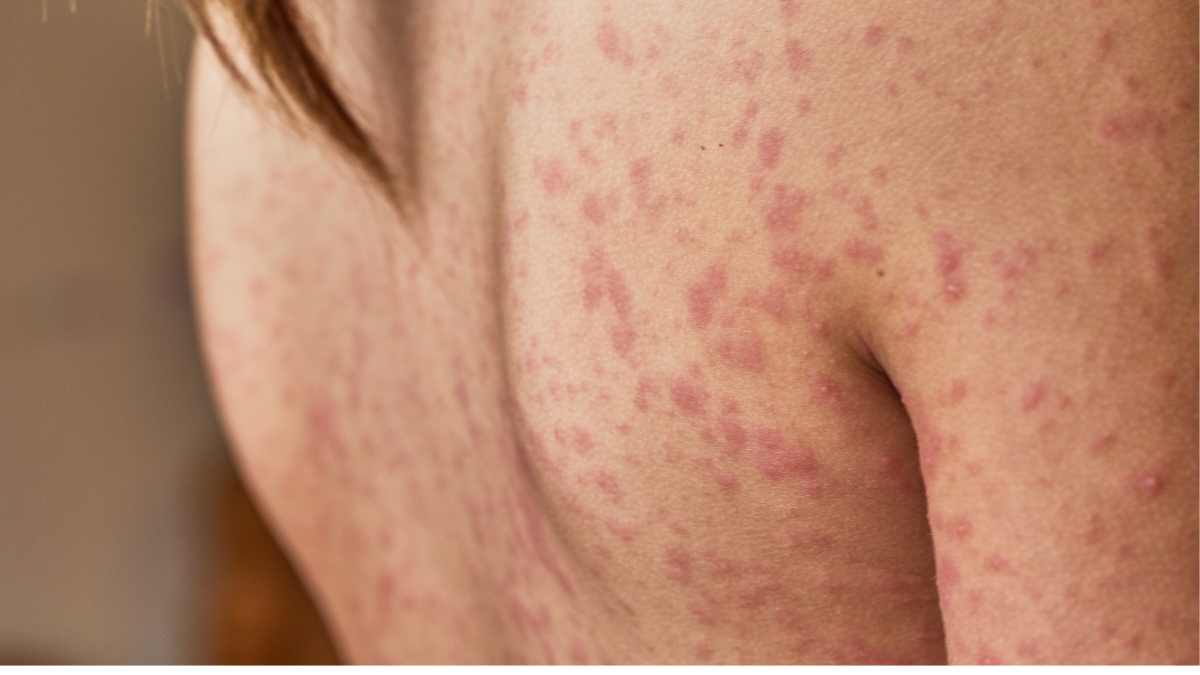
Several types of rashes are commonly associated with blood disorders, each with unique characteristics. Petechiae are small, pinpoint red or purple spots that occur due to bleeding under the skin, often seen in conditions like thrombocytopenia. These rashes are typically non-blanching, meaning they do not fade when pressure is applied. Petechiae can appear on various body parts, including the trunk, extremities, and mucous membranes.
Purpura is another type of rash that can arise from blood disorders. It appears as larger purple or red areas on the skin and can result from similar mechanisms as petechiae. Purpura can be associated with conditions like vasculitis or coagulopathy, where blood vessels become inflamed or there is a deficiency in clotting factors. The presence of purpura often indicates a more severe underlying issue that requires further evaluation.
In addition to petechiae and purpura, ecchymosis—commonly known as bruising—can occur in individuals with blood disorders. These larger areas of discoloration result from bleeding beneath the skin and can be a sign of trauma or a bleeding disorder. Patients with clotting factor deficiencies, such as hemophilia, may experience frequent bruising even with minor injuries.
Lastly, urticaria, or hives, can also manifest in patients with blood disorders, particularly those with allergic reactions or autoimmune conditions. This type of rash is characterized by raised, itchy welts on the skin and may be associated with systemic symptoms such as swelling and difficulty breathing. Recognizing these various types of rashes is crucial for appropriate diagnosis and management.
Clinical Characteristics of Blood Disorder-Related Rashes
The clinical characteristics of rashes associated with blood disorders can vary significantly based on the underlying condition. Petechiae are often small, measuring less than 3 mm, and can be scattered or clustered. They typically do not cause discomfort or itching, but their sudden appearance can be alarming and warrants further investigation. The distribution of petechiae can provide clues to the underlying cause, as they often appear on dependent areas of the body.
Purpura, on the other hand, can range in size and may be associated with additional symptoms such as joint pain or systemic illness. The color of purpura can change over time, transitioning from red to purple and eventually to brown as the blood is reabsorbed. This evolution can help differentiate purpura from other skin conditions. In cases of vasculitis, purpura may be accompanied by other signs of inflammation, such as warmth and tenderness in the affected areas.
Ecchymosis can also vary in size and may present with associated symptoms such as pain or swelling, particularly if there is an underlying injury. In patients with bleeding disorders, ecchymosis may appear spontaneously or with minimal trauma. The pattern and frequency of bruising can provide important diagnostic information, as frequent or unusual bruising may indicate a bleeding disorder requiring further evaluation.
Lastly, urticaria is characterized by its transient nature, often resolving within hours to days. The welts can vary in size and may be accompanied by intense itching. In patients with blood disorders, the presence of urticaria may suggest an allergic reaction or an autoimmune process, necessitating a thorough assessment of potential triggers and underlying conditions.
Diagnostic Approaches for Blood Disorder Skin Symptoms
When evaluating skin rashes associated with blood disorders, a comprehensive diagnostic approach is essential. The initial assessment typically involves a detailed medical history and physical examination. Healthcare providers will inquire about the onset, duration, and characteristics of the rash, as well as any associated symptoms such as bleeding, bruising, or systemic illness. This information can help narrow down potential diagnoses.
Laboratory tests play a crucial role in the diagnostic process. Complete blood counts (CBC) can provide valuable information about the levels of red blood cells, white blood cells, and platelets. For instance, a low platelet count may indicate thrombocytopenia, while abnormalities in white blood cell counts can suggest leukemias or other hematological disorders. Additional tests, such as coagulation profiles, may be necessary to assess clotting function.
In some cases, skin biopsies may be warranted to obtain a definitive diagnosis. Biopsies can help differentiate between various skin conditions and provide insights into underlying processes, such as inflammation or vasculitis. Immunological tests may also be performed to evaluate for autoimmune conditions that could be contributing to skin manifestations.
Finally, collaboration with specialists, such as dermatologists or hematologists, may be necessary for complex cases. A multidisciplinary approach ensures that all aspects of the patient’s condition are addressed, leading to a more accurate diagnosis and tailored treatment plan.
Treatment Options for Rashes Linked to Blood Disorders
The treatment of rashes associated with blood disorders largely depends on the underlying cause. For petechiae and purpura, management may focus on addressing the root cause of the bleeding disorder. In cases of thrombocytopenia, treatments may include platelet transfusions or medications to stimulate platelet production. If the underlying cause is autoimmune, corticosteroids or immunosuppressive therapies may be indicated to reduce inflammation and improve platelet counts.
For patients experiencing ecchymosis, the primary approach is often supportive care, including avoiding activities that may lead to further bruising. In cases where bruising is frequent or spontaneous, further evaluation for bleeding disorders is essential. Treatment may involve factor replacement therapy for conditions such as hemophilia, which can help prevent future bleeding episodes.
In instances of urticaria, identifying and avoiding triggers is crucial. Antihistamines are commonly used to alleviate itching and reduce the appearance of hives. In severe cases, corticosteroids may be prescribed to manage inflammation. If the urticaria is related to an underlying blood disorder, addressing that condition will be key to resolving the skin symptoms.
Overall, the treatment of rashes linked to blood disorders requires a tailored approach that considers the individual patient’s needs and the specific underlying condition. Regular follow-up and monitoring are essential to ensure effective management and prevent complications.
When to Seek Medical Attention for Skin Rashes
Recognizing when to seek medical attention for skin rashes associated with blood disorders is vital for timely intervention. Patients should consider consulting a healthcare provider if they notice sudden onset of petechiae or purpura, especially if accompanied by other symptoms such as fever, fatigue, or unexplained bruising. These signs may indicate a serious underlying condition that requires immediate evaluation.
Additionally, if a rash is persistent, worsening, or accompanied by systemic symptoms such as joint pain, swelling, or changes in vision, it is crucial to seek medical advice. Conditions like vasculitis or autoimmune disorders can present with skin manifestations and may require urgent treatment to prevent complications.
Patients with known blood disorders should be particularly vigilant about any new or unusual skin changes. Regular monitoring and communication with healthcare providers can help ensure that any concerning symptoms are addressed promptly. For individuals with a history of bleeding disorders, even minor changes in skin appearance should be evaluated to rule out significant issues.
In summary, proactive management and awareness of skin rashes associated with blood disorders can lead to better outcomes. Patients should not hesitate to seek medical attention when they notice concerning symptoms, as early intervention can be critical in managing underlying conditions effectively.
Conclusions:
Blood disorders can manifest in various ways, including through distinctive skin rashes. Understanding the types of rashes, their clinical characteristics, and the appropriate diagnostic and treatment approaches is essential for effective management. By recognizing when to seek medical attention, patients can ensure timely intervention and improved health outcomes. Awareness and education about these skin manifestations can empower both patients and healthcare providers to address potential blood disorders proactively.
Read more
-
American Society of Hematology – Blood Disorders Overview
This resource provides a comprehensive overview of various blood disorders, their symptoms, and treatment options. -
Mayo Clinic – Skin Rashes: Causes and Treatments
The Mayo Clinic offers detailed information on different types of skin rashes, including those linked to systemic conditions. -
National Heart, Lung, and Blood Institute – Thrombocytopenia
This resource discusses thrombocytopenia, its causes, symptoms, and treatment options, including skin manifestations. -
DermNet NZ – Purpura
DermNet provides in-depth information about purpura, including its causes, clinical features, and management strategies. -
Cleveland Clinic – Urticaria (Hives)
This article explains urticaria, its triggers, symptoms, and treatment options, relevant to patients with blood disorders.