

Introduction:
Cancerous rashes can be alarming and confusing for many individuals. Understanding what these rashes look like and how they differ from other skin conditions is crucial for early detection and treatment. This article aims to provide a comprehensive overview of cancerous rashes, including their symptoms, distinguishing characteristics, common types, diagnostic procedures, treatment options, and when to seek medical attention.
Understanding Cancerous Rashes: An Overview of Symptoms
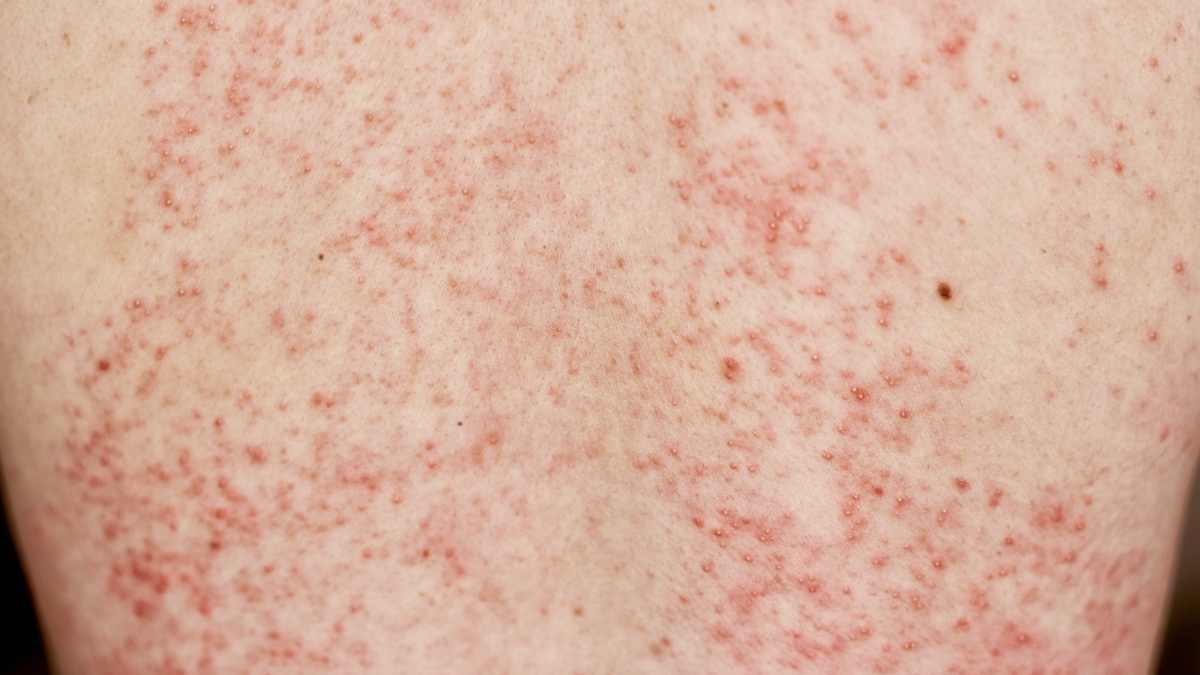
Cancerous rashes can manifest in various ways, often depending on the type of cancer and its location. Common symptoms associated with these rashes include changes in skin color, texture, and the presence of unusual growths or lesions. Patients may notice areas of skin that are red, swollen, or irritated, which can sometimes be accompanied by itching or pain.
In some cases, cancerous rashes may appear as persistent sores that do not heal, or as patches of skin that bleed easily. It is essential to note that not all rashes are indicative of cancer; however, any persistent or unusual skin changes should be evaluated by a healthcare professional. Early recognition of these symptoms can lead to timely diagnosis and treatment, potentially improving outcomes for patients.
Additionally, rashes associated with internal cancers may not always be localized to the area of the tumor. For instance, skin manifestations can occur due to systemic effects of the cancer or as a reaction to treatment. Understanding these nuances is vital for patients and healthcare providers alike.
Finally, some rashes may be symptomatic of paraneoplastic syndromes, where skin changes occur due to the cancer’s impact on the body rather than direct tumor involvement. Recognizing these symptoms can aid in identifying underlying malignancies even before they are diagnosed through imaging or biopsy.
Distinguishing Characteristics of Cancer-Related Rashes
Cancer-related rashes often possess unique features that set them apart from benign skin conditions. One key characteristic is the irregularity of the rash’s borders. While benign rashes typically have smooth, well-defined edges, cancerous rashes may present with jagged or uneven borders. This irregularity can be a critical indicator for healthcare providers.
Another distinguishing feature is the color of the rash. Cancerous rashes may exhibit a range of colors, including shades of red, brown, or even black. In contrast, benign rashes often have a more uniform color. The presence of multiple colors within a single lesion can also be a warning sign, suggesting malignancy.
Texture is another important aspect to consider. Cancerous rashes may feel rough, scaly, or leathery, contrasting with the softer texture of non-cancerous skin conditions. Additionally, the size of the rash can be a factor; cancerous lesions tend to grow over time, while benign rashes may remain stable or regress.
Lastly, the duration of the rash plays a significant role in its evaluation. Rashes that persist for weeks or months without improvement, especially those that change in appearance, warrant further investigation. Understanding these distinguishing characteristics can empower patients to seek appropriate medical care.
Common Types of Cancerous Rashes and Their Appearance
Several types of cancerous rashes have been documented, each with its specific appearance. One common type is the rash associated with melanoma, which often presents as an irregularly shaped mole or spot that changes color, size, or shape over time. Melanoma may also appear as a new growth on the skin, and it is crucial to monitor any changes in existing moles.
Another type is the rash linked to cutaneous T-cell lymphoma, which can manifest as red, scaly patches or plaques on the skin. These lesions may be itchy and can resemble eczema or psoriasis, making them easy to misdiagnose. Early detection is vital, as cutaneous T-cell lymphoma can progress to more severe forms if left untreated.
Basal cell carcinoma and squamous cell carcinoma can also present as rashes. Basal cell carcinoma often appears as a pearly bump or a flat, scar-like lesion, while squamous cell carcinoma may look like a firm, red nodule or a scaly patch that may bleed. Both types of skin cancer can be mistaken for benign conditions, emphasizing the importance of professional evaluation.
Lastly, rashes associated with systemic cancers, such as leukemia, can present as petechiae or purpura, which are small red or purple spots on the skin caused by bleeding. These rashes often indicate a more serious underlying condition and require immediate medical attention.
Diagnostic Procedures for Identifying Cancerous Rashes
When a cancerous rash is suspected, healthcare providers utilize various diagnostic procedures to confirm the diagnosis. The first step typically involves a thorough clinical examination, where the provider assesses the rash’s characteristics, location, and associated symptoms. A detailed patient history, including any family history of skin cancer, is also essential.
If the initial evaluation raises concerns, a biopsy may be performed. During a biopsy, a small sample of the affected skin is removed and sent to a laboratory for microscopic examination. This procedure can help determine whether cancerous cells are present and, if so, the type of cancer involved.
In some cases, imaging studies such as ultrasound, CT scans, or MRIs may be ordered to assess for any underlying malignancy that may not be immediately visible on the skin. These imaging techniques can provide valuable information about the extent of the disease and guide treatment decisions.
Additionally, blood tests may be conducted to evaluate for markers associated with certain cancers. These tests can help in understanding the overall health of the patient and the potential impact of the cancer on other body systems.
Treatment Options for Patients with Cancerous Skin Rashes
The treatment of cancerous rashes depends on several factors, including the type of cancer, its stage, and the patient’s overall health. Surgical intervention is often the primary treatment for localized skin cancers. This may involve excising the tumor along with a margin of healthy tissue to ensure complete removal.
For more advanced cases or non-surgical candidates, radiation therapy may be employed to target cancer cells while sparing surrounding healthy tissue. This treatment can be particularly effective for skin cancers that are difficult to remove surgically or for patients who are not well enough to undergo surgery.
Chemotherapy and immunotherapy are additional treatment options that may be considered, especially for systemic cancers or those that have metastasized. Chemotherapy uses drugs to kill rapidly dividing cells, while immunotherapy aims to enhance the body’s immune response against the cancer. These treatments can be administered in conjunction with local therapies to manage skin rashes effectively.
Finally, supportive care and palliative measures are crucial for managing symptoms and improving the quality of life for patients with cancerous rashes. This may include topical treatments to alleviate discomfort, as well as counseling and support services to help patients cope with the emotional and psychological aspects of their diagnosis.
When to Seek Medical Attention for Skin Changes and Rashes
It is essential to recognize when to seek medical attention for skin changes and rashes. Any persistent rash that does not respond to over-the-counter treatments or continues to evolve in appearance should be evaluated by a healthcare professional. Early intervention can significantly impact the prognosis and treatment options available.
Individuals should also be vigilant about new growths on their skin, particularly if they exhibit irregular borders, multiple colors, or changes in size. These characteristics may indicate a higher risk of malignancy and warrant immediate evaluation.
Furthermore, rashes accompanied by systemic symptoms such as fever, weight loss, or fatigue should not be ignored. These signs may suggest an underlying condition that requires prompt medical attention. It is always better to err on the side of caution when it comes to skin changes, as early detection can lead to better outcomes.
Lastly, individuals with a personal or family history of skin cancer should have regular skin examinations by a dermatologist. Routine screenings can help catch any changes early and provide peace of mind for patients and their families.
Conclusions:
Understanding what a cancerous rash looks like is crucial for early detection and treatment. By recognizing the symptoms and distinguishing characteristics, individuals can take proactive steps in seeking medical attention. Diagnostic procedures and treatment options are available to manage cancerous rashes effectively. Awareness of when to seek help can ultimately lead to better health outcomes.
Read more
- American Academy of Dermatology – Skin Cancer – A comprehensive resource on skin cancer types, symptoms, and treatment options.
- National Cancer Institute – Skin Cancer – Detailed information on skin cancer, including risk factors and prevention strategies.
- Mayo Clinic – Skin Rash – Overview of skin rashes, their causes, and when to seek medical advice.
- American Cancer Society – Skin Cancer – Information on skin cancer statistics, treatment, and support resources.
- Cleveland Clinic – Skin Cancer Symptoms – A guide to recognizing skin cancer symptoms and understanding the importance of early detection.