

Se hai un abbonamento attivo ACCEDI QUI
Introduction:
Liver disease encompasses a range of conditions that can significantly impact an individual’s health, leading to various symptoms, including skin manifestations. Among these, rashes can serve as important indicators of underlying liver dysfunction. Understanding the connection between liver health and skin conditions is crucial for early diagnosis and management. This article explores the relationship between liver disease and skin rashes, detailing their characteristics, diagnostic approaches, and treatment options.
Understanding Liver Disease: An Overview of Symptoms
Liver disease can manifest through a variety of symptoms, affecting not only the liver itself but also other systems in the body. Common symptoms include fatigue, jaundice, abdominal pain, and swelling. These symptoms arise due to the liver’s crucial role in metabolizing substances, detoxifying the blood, and producing essential proteins. As the liver becomes compromised, its ability to perform these functions diminishes, leading to systemic effects.
In addition to the more well-known symptoms, skin changes can also occur, often overlooked by patients and healthcare providers alike. These changes may include itching, rashes, and color changes in the skin, which can be indicative of liver dysfunction. Recognizing these symptoms is essential for timely intervention and treatment.
Liver disease can be caused by various factors, including viral infections, alcohol abuse, and metabolic disorders. Each of these conditions may present with unique symptoms, but skin manifestations often remain a common thread. Understanding the etiology of liver disease helps in predicting the likelihood and type of skin changes that may occur.
Furthermore, the severity of liver disease can influence the type and extent of skin symptoms. For instance, in advanced liver disease, one might observe more pronounced changes, while early-stage liver dysfunction may present with subtler signs. This highlights the importance of regular monitoring and comprehensive assessments in individuals at risk for liver disease.
The Role of the Liver in Maintaining Skin Health
The liver plays a pivotal role in maintaining overall skin health through its various metabolic functions. It is responsible for the synthesis of proteins, including those that contribute to skin structure and repair. Collagen, for example, is vital for skin elasticity and strength, and its production can be impaired in liver disease.
Moreover, the liver is involved in the metabolism of vitamins and minerals essential for skin health. Vitamins A, D, E, and K, which are fat-soluble, rely on the liver for their absorption and utilization. A compromised liver can lead to deficiencies in these vitamins, resulting in skin issues such as dryness, peeling, and increased susceptibility to infections.
Bile production is another critical function of the liver that impacts skin health. Bile acids facilitate the digestion and absorption of fats, which are crucial for maintaining skin hydration and barrier function. When liver function is impaired, bile production may decrease, leading to skin changes that can manifest as rashes or irritations.
Lastly, the liver detoxifies harmful substances from the bloodstream. When liver function is compromised, toxins can accumulate, leading to systemic effects, including skin manifestations. This underscores the interconnectedness of liver health and skin integrity, making it essential to address liver disease holistically.
Identifying Common Rashes Associated with Liver Disease
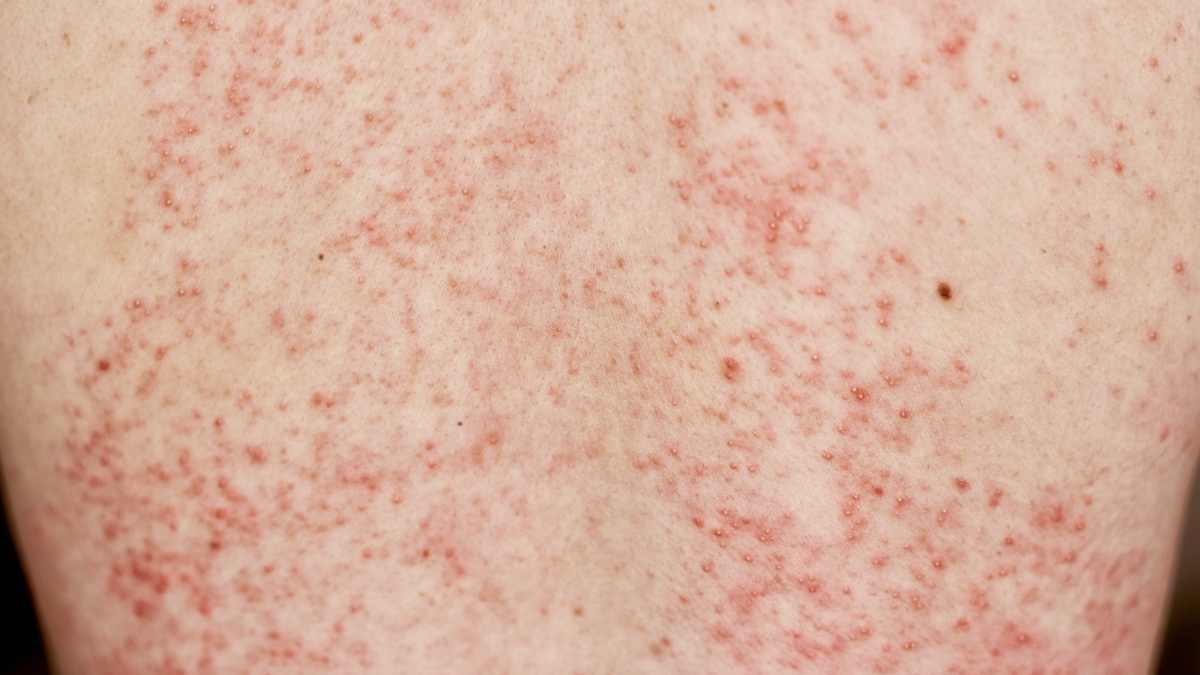
Several types of rashes are commonly associated with liver disease, each with distinct characteristics. One of the most prevalent is pruritus, or itching, which can occur without any visible rash but may lead to scratching and subsequent skin damage. This condition often arises from the accumulation of bile salts in the bloodstream, a common issue in liver dysfunction.
Another common skin manifestation is xanthomas, which are yellowish lesions that can appear on various parts of the body, particularly around the eyes, elbows, and knees. These lesions are caused by elevated cholesterol levels, often seen in individuals with liver disease, particularly those with cholestasis or biliary obstruction.
Spider angiomas are another type of rash that may indicate liver disease. These are small, spider-like blood vessels that appear on the skin’s surface, often on the face and upper body. They are associated with increased estrogen levels, which can occur in liver dysfunction due to impaired metabolism.
Lastly, jaundice itself can lead to skin changes, causing a yellowish tint to the skin and eyes. While not a rash per se, jaundice is a significant indicator of liver health and can be accompanied by other skin manifestations, such as dryness and irritation.
Distinctive Features of Liver Disease-Related Skin Rashes
The rashes associated with liver disease often exhibit distinctive features that can aid in diagnosis. For instance, the color of the rash can vary, with xanthomas appearing yellow due to lipid accumulation, while spider angiomas may present as bright red or purple spots. The location of these rashes is also telling; xanthomas tend to cluster around joints and facial areas, whereas spider angiomas are more common on the upper body.
In terms of texture, rashes related to liver disease can range from smooth to raised lesions. For example, xanthomas are typically soft and raised, while spider angiomas are flat but can become raised with pressure. The symptoms accompanying these rashes also provide clues; for instance, pruritus is often a significant complaint in cases of cholestasis, while xanthomas may not be itchy.
The duration of the rash can also be indicative of liver health. Rashes that persist or worsen over time may suggest ongoing liver dysfunction, while transient rashes may be related to acute conditions or reactions. Monitoring the evolution of skin changes can provide valuable information for healthcare providers.
Lastly, the presence of multiple skin manifestations can signal more severe liver disease. For example, the combination of jaundice, pruritus, and xanthomas may indicate advanced liver dysfunction requiring immediate medical attention.
Diagnostic Approaches for Liver Disease and Skin Manifestations
Diagnosing liver disease in the presence of skin rashes involves a comprehensive approach that includes a detailed medical history, physical examination, and laboratory tests. Healthcare providers typically start by assessing the patient’s symptoms, including any skin changes, to determine potential underlying causes.
Physical examination is crucial in identifying distinctive skin manifestations associated with liver disease. Providers may look for signs such as jaundice, xanthomas, and spider angiomas, as well as assess for signs of systemic involvement, such as swelling or ascites. This examination can provide valuable clues regarding the severity and type of liver disease present.
Laboratory tests play a vital role in confirming liver dysfunction. Blood tests can evaluate liver enzymes, bilirubin levels, and coagulation factors, helping to identify the extent of liver damage. Imaging studies, such as ultrasound or CT scans, may also be employed to assess liver structure and detect any abnormalities, such as tumors or cirrhosis.
In some cases, a liver biopsy may be necessary to determine the underlying cause of liver disease. This procedure involves taking a small sample of liver tissue for histological examination, allowing for a definitive diagnosis. By combining clinical evaluation, laboratory tests, and imaging studies, healthcare providers can accurately diagnose liver disease and its associated skin manifestations.
Treatment Options for Rashes Linked to Liver Disorders
Treating rashes associated with liver disease requires a multifaceted approach that addresses both the skin manifestations and the underlying liver condition. The first step in management is to treat the liver disease itself, as improving liver function often leads to resolution of skin symptoms. This may involve lifestyle changes, such as adopting a healthier diet, reducing alcohol consumption, and managing underlying conditions like hepatitis.
For symptomatic relief of skin rashes, topical treatments may be recommended. These can include moisturizers to alleviate dryness, corticosteroids to reduce inflammation, and antihistamines to manage itching. In cases of severe pruritus, medications such as cholestyramine may be prescribed to help bind bile acids and reduce their accumulation in the bloodstream.
In cases where xanthomas are present, addressing lipid levels through dietary modifications and medications can lead to a reduction in these lesions. Statins or other lipid-lowering agents may be prescribed to manage cholesterol levels effectively.
Finally, ongoing monitoring and follow-up are essential for individuals with liver disease and associated skin rashes. Regular assessments can help track the progression of both liver health and skin conditions, allowing for timely adjustments in treatment strategies as needed.
Conclusions:
Understanding the connection between liver disease and skin rashes is vital for early diagnosis and effective management. Recognizing the symptoms and distinctive features of liver-related skin manifestations can aid healthcare providers in identifying underlying liver dysfunction. A comprehensive diagnostic approach, coupled with targeted treatment strategies, can significantly improve patient outcomes. As liver disease continues to be a prevalent health concern, awareness of its systemic effects, including skin health, remains crucial.
Read more
- American Liver Foundation – A comprehensive resource for liver health, diseases, and their symptoms.
- Mayo Clinic – Liver Disease – Detailed information on liver disease, including symptoms and treatment options.
- National Institute of Diabetes and Digestive and Kidney Diseases – Offers insights into liver diseases, their causes, and management strategies.
- Cleveland Clinic – Skin Changes in Liver Disease – Discusses the various skin manifestations associated with liver conditions.
- PubMed Central – Skin Manifestations of Liver Disease – A scholarly article exploring the relationship between liver health and skin changes.